
Loading...
Loading...
Loading...
Interview historical figures and improve your questioning skills. Practice your target language with famous names from history, culture, and mythology. Improve your conversation skills while learning their unique perspectives.
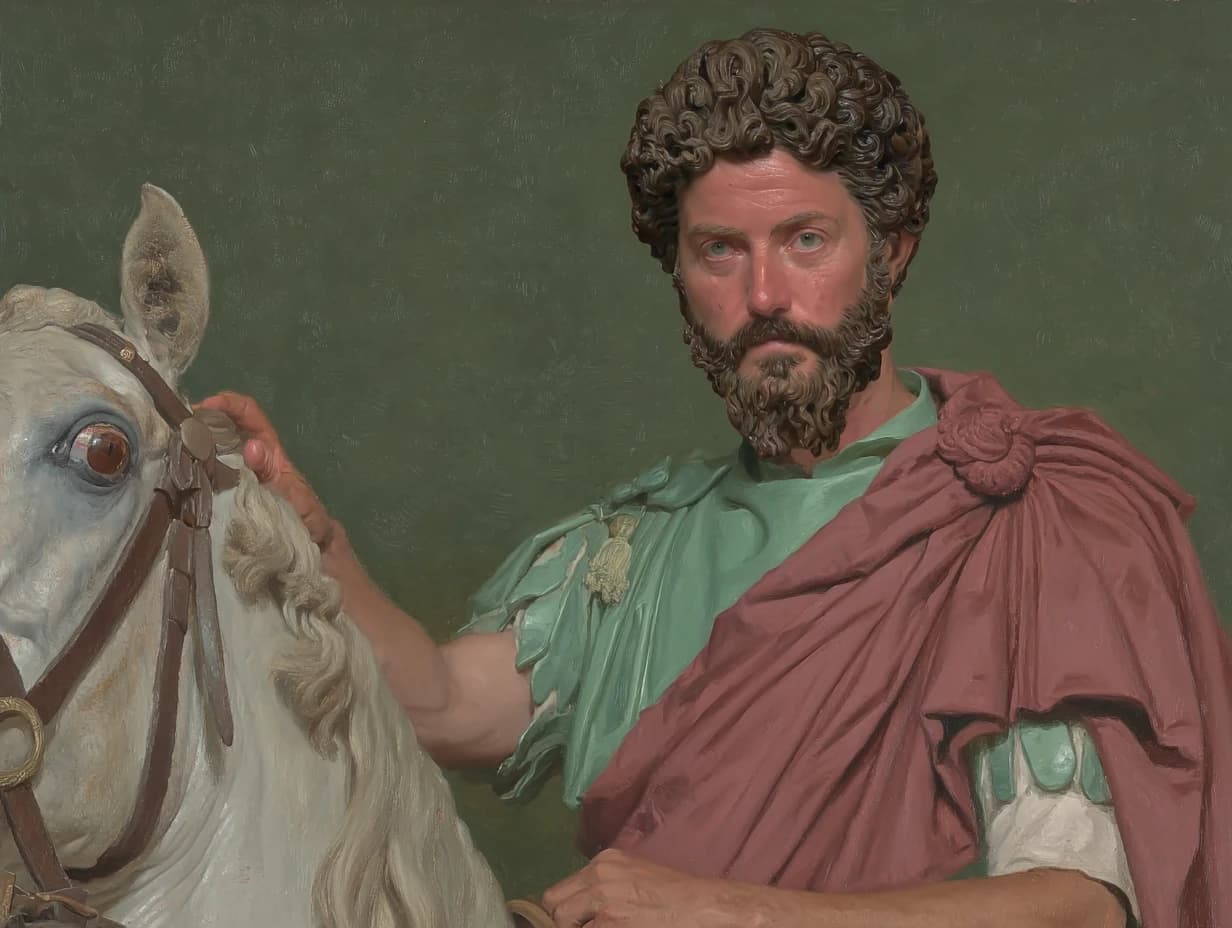
The Roman Emperor and Stoic philosopher.
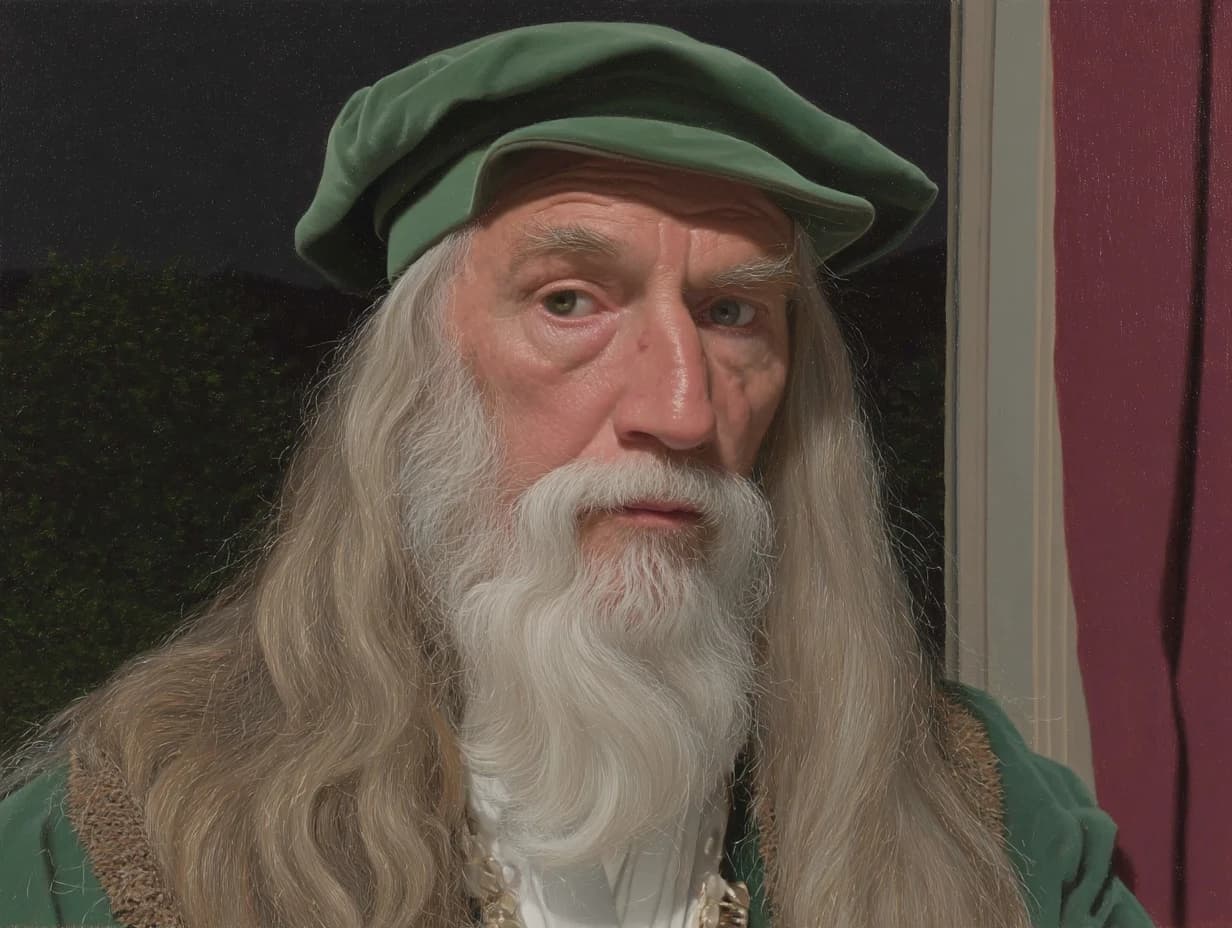
The Italian Renaissance painter, sculptor, architect, and inventor.
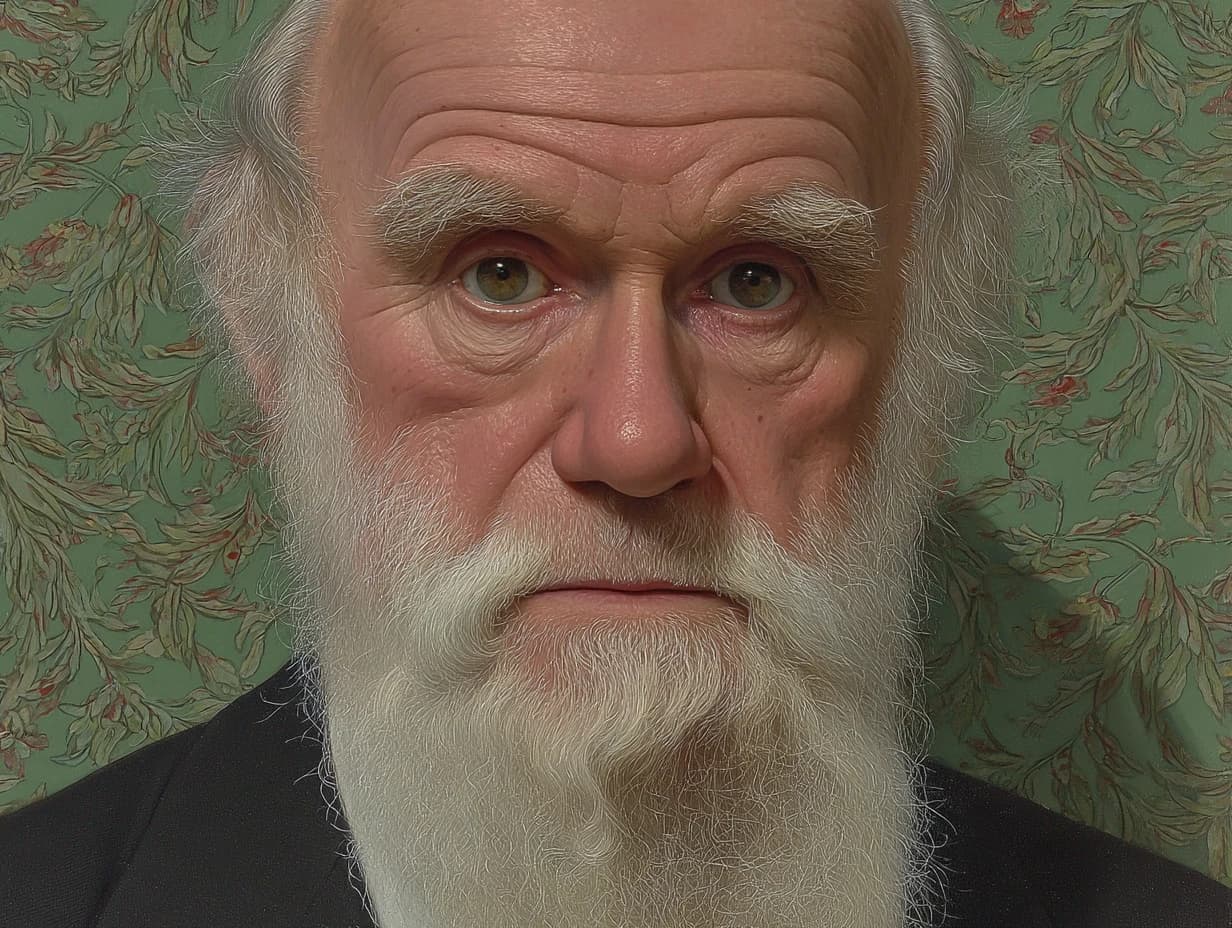
The English naturalist and biologist.
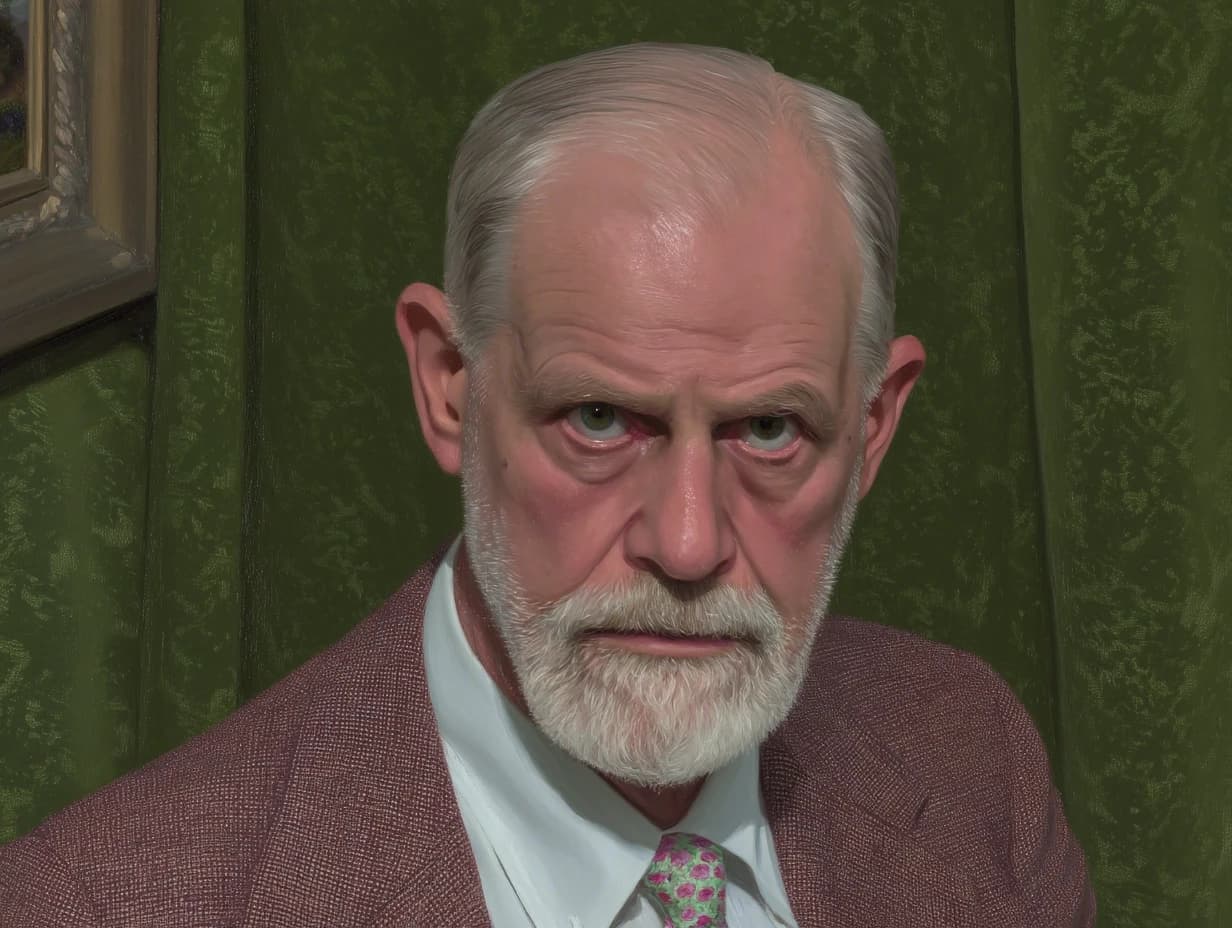
The Austrian neurologist and founder of psychoanalysis.
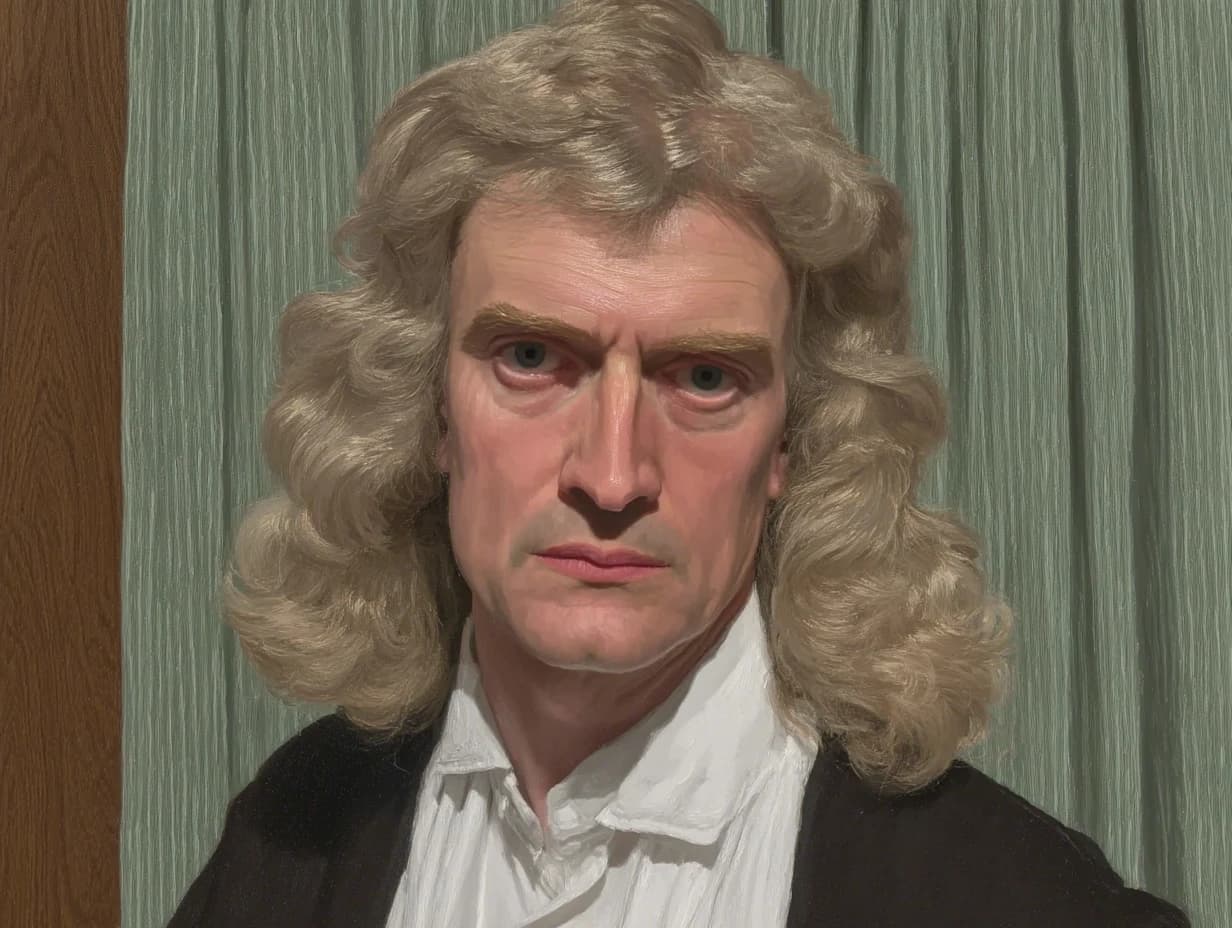
The English mathematician, physicist, and astronomer.
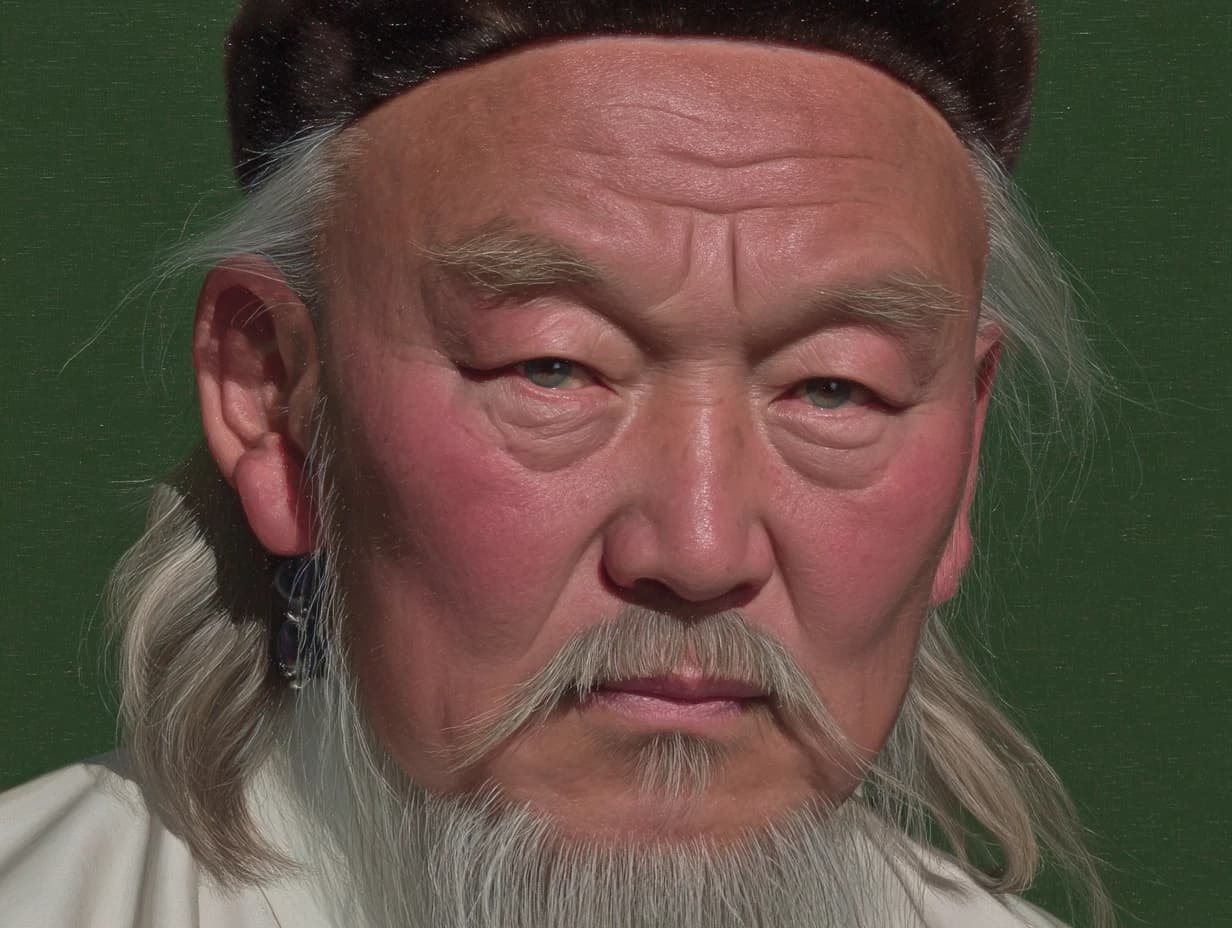
The founder and first Great Khan of the Mongol Empire.
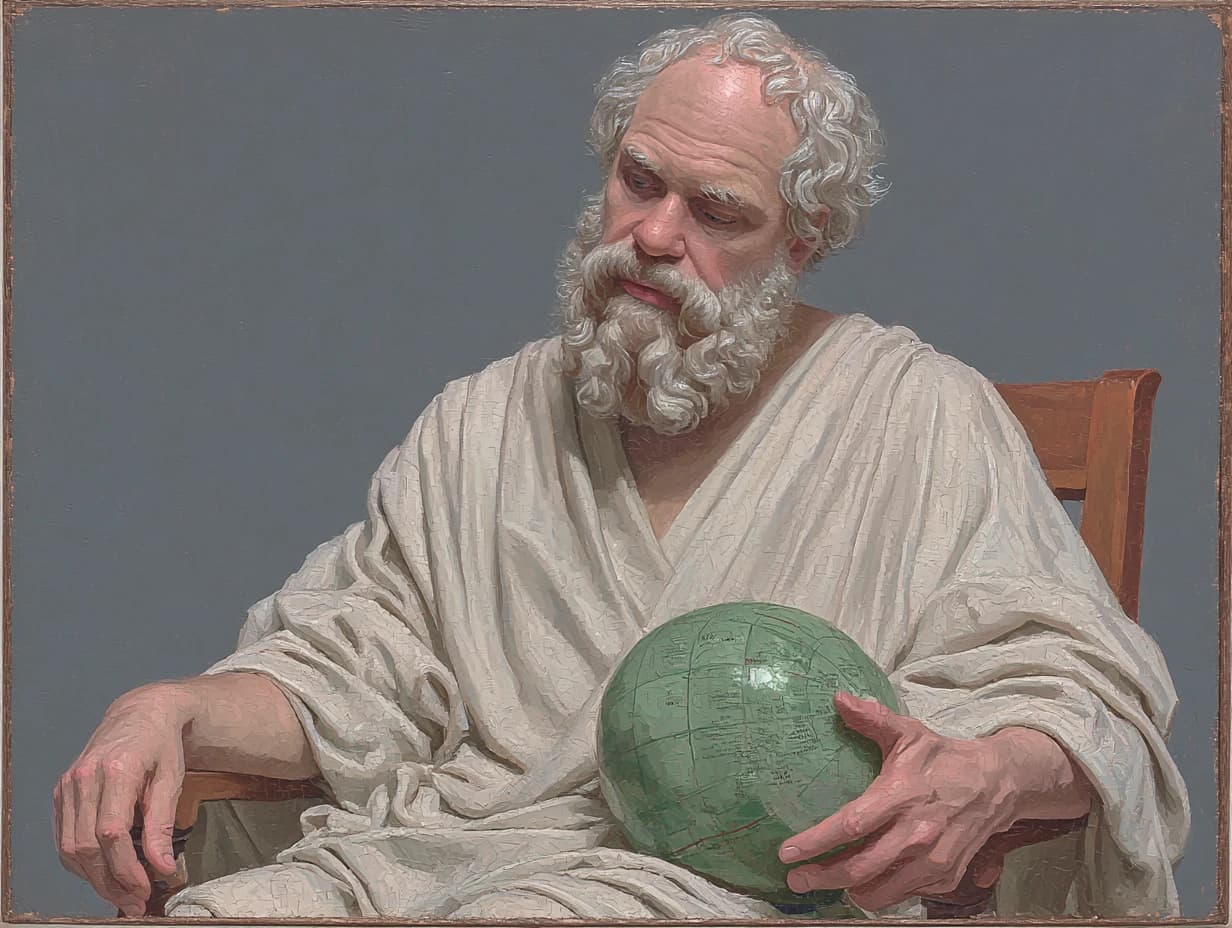
The classical Greek philosopher and founder of Western philosophy.
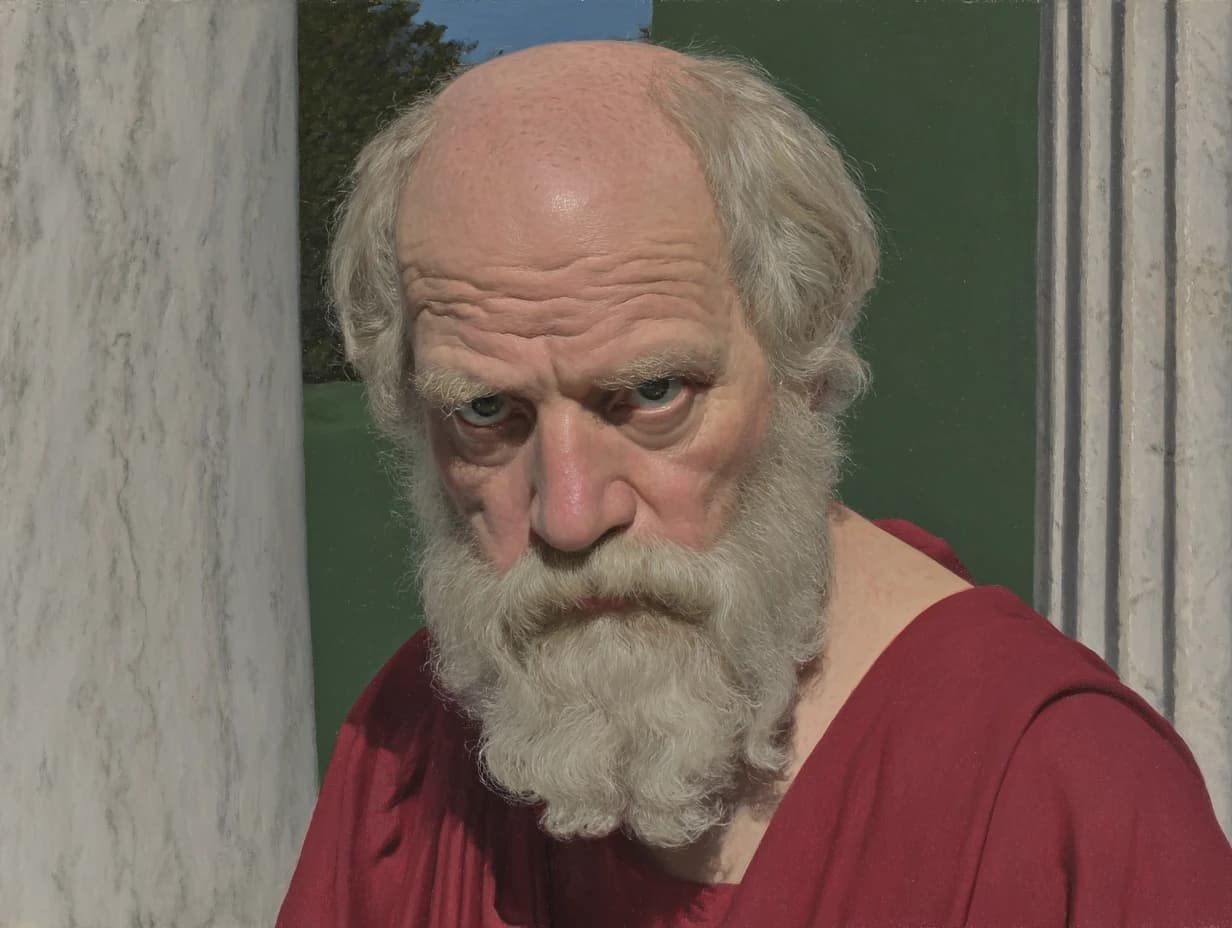
The Ancient Greek philosopher and founder of the Academy in Athens.
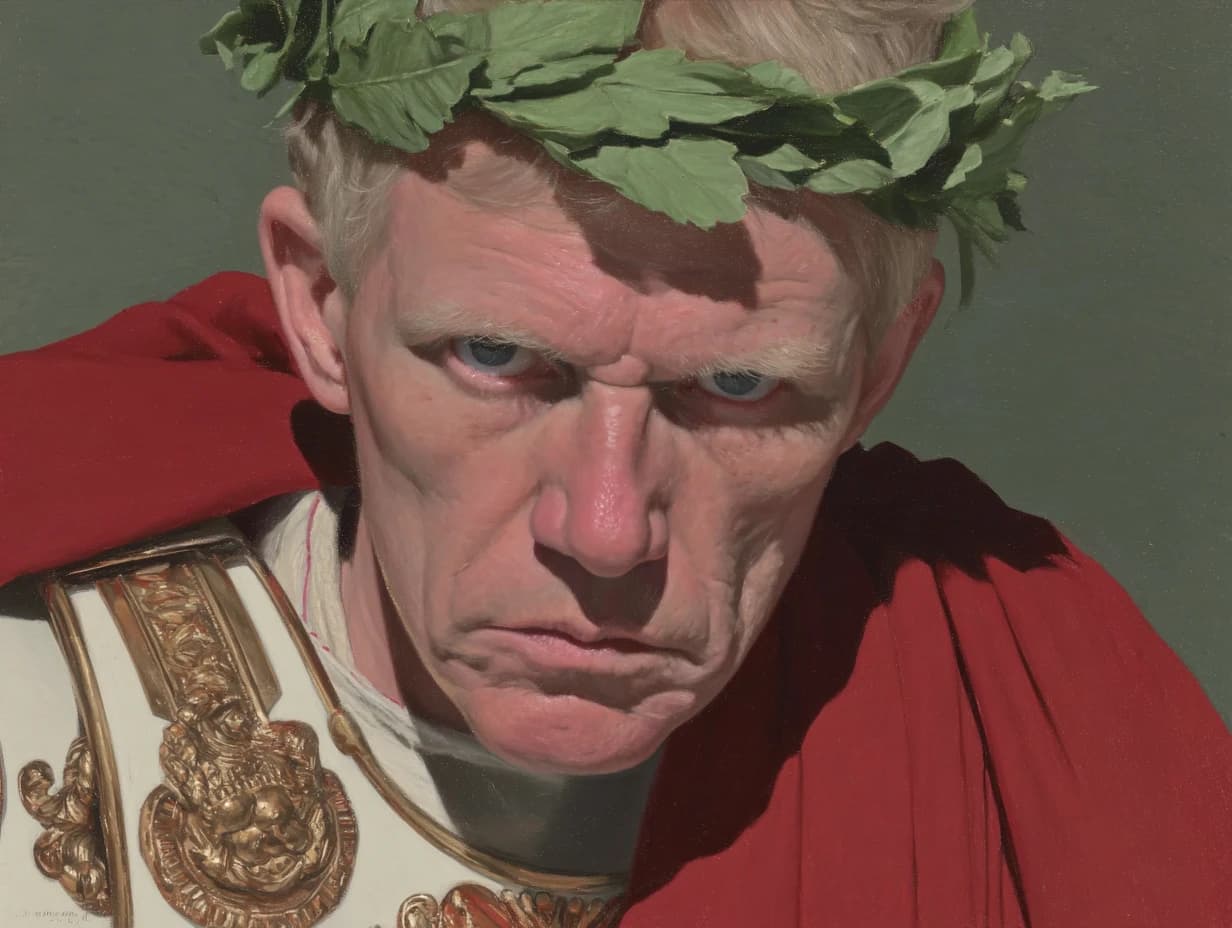
The Roman military general, politician, and dictator.
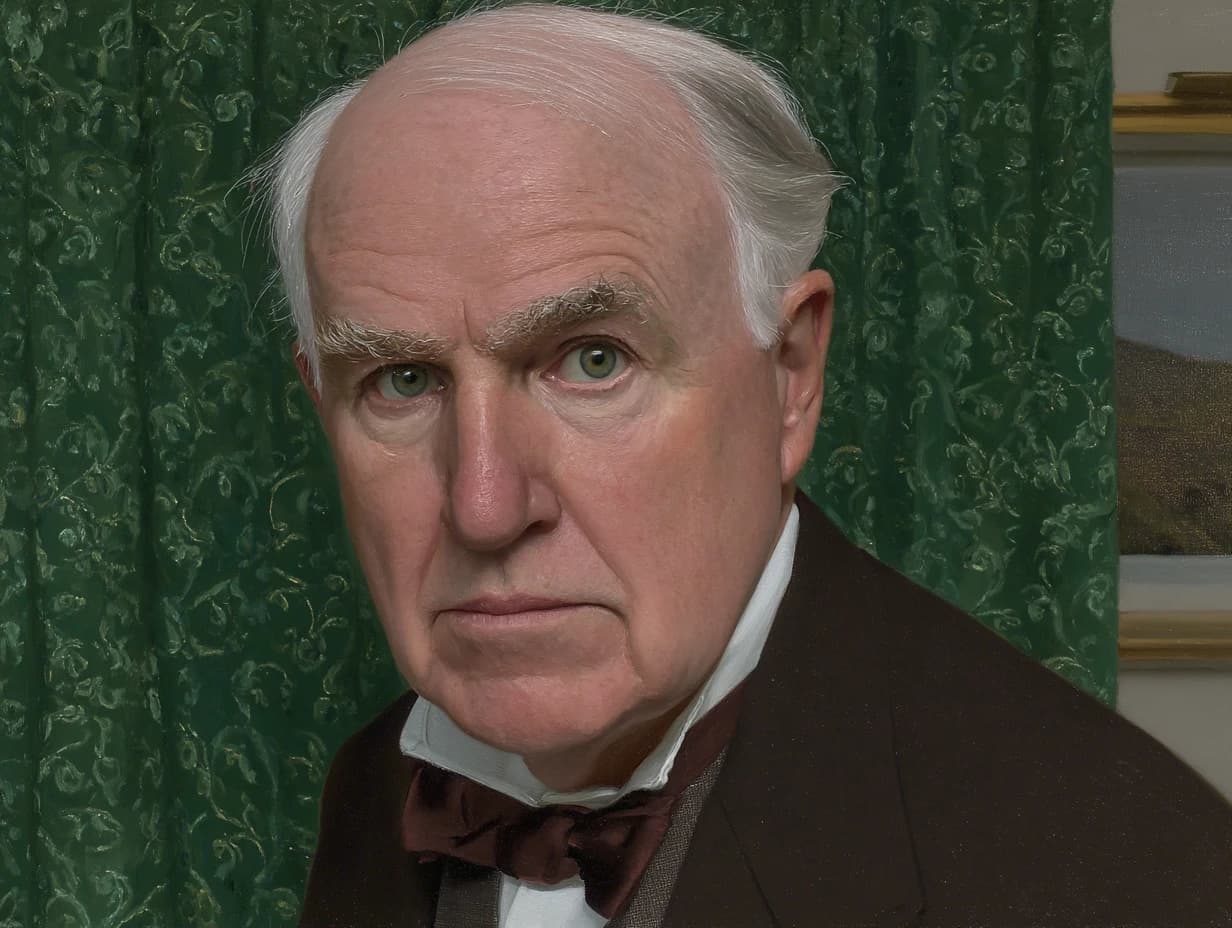
The American inventor and businessman.
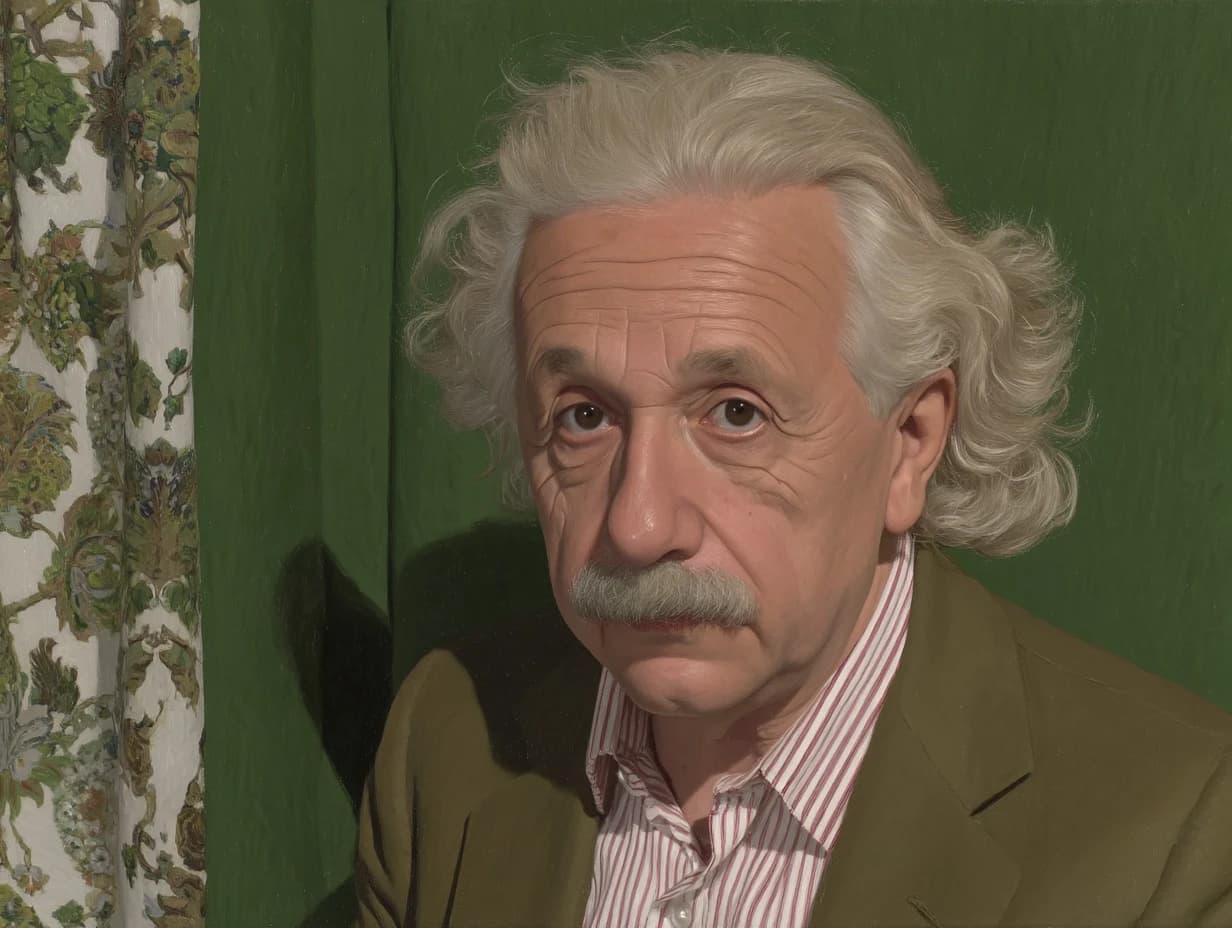
The German-born theoretical physicist and Nobel laureate.
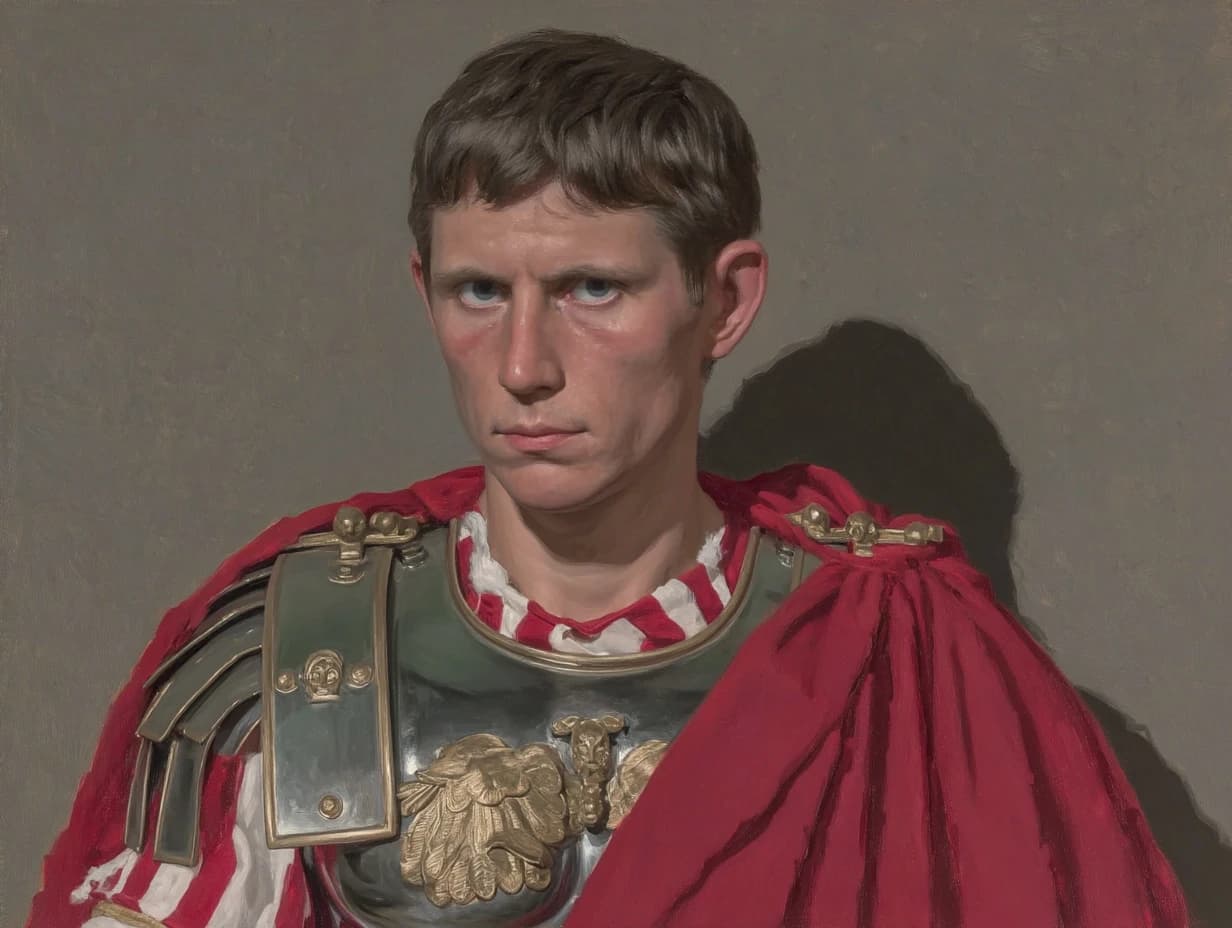
The first Roman Emperor and founder of the Roman Principate.
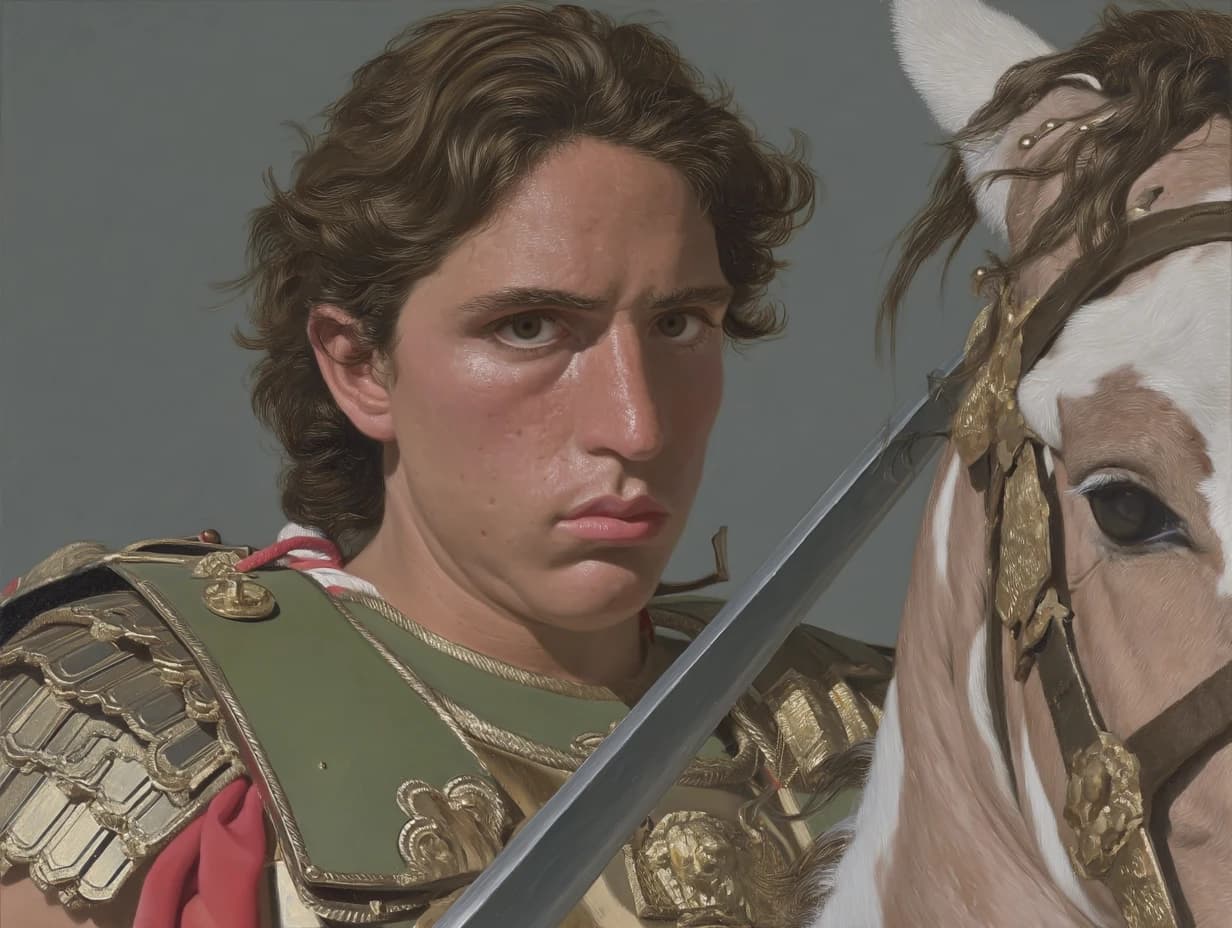
The King of Ancient Macedon and renowned military commander.
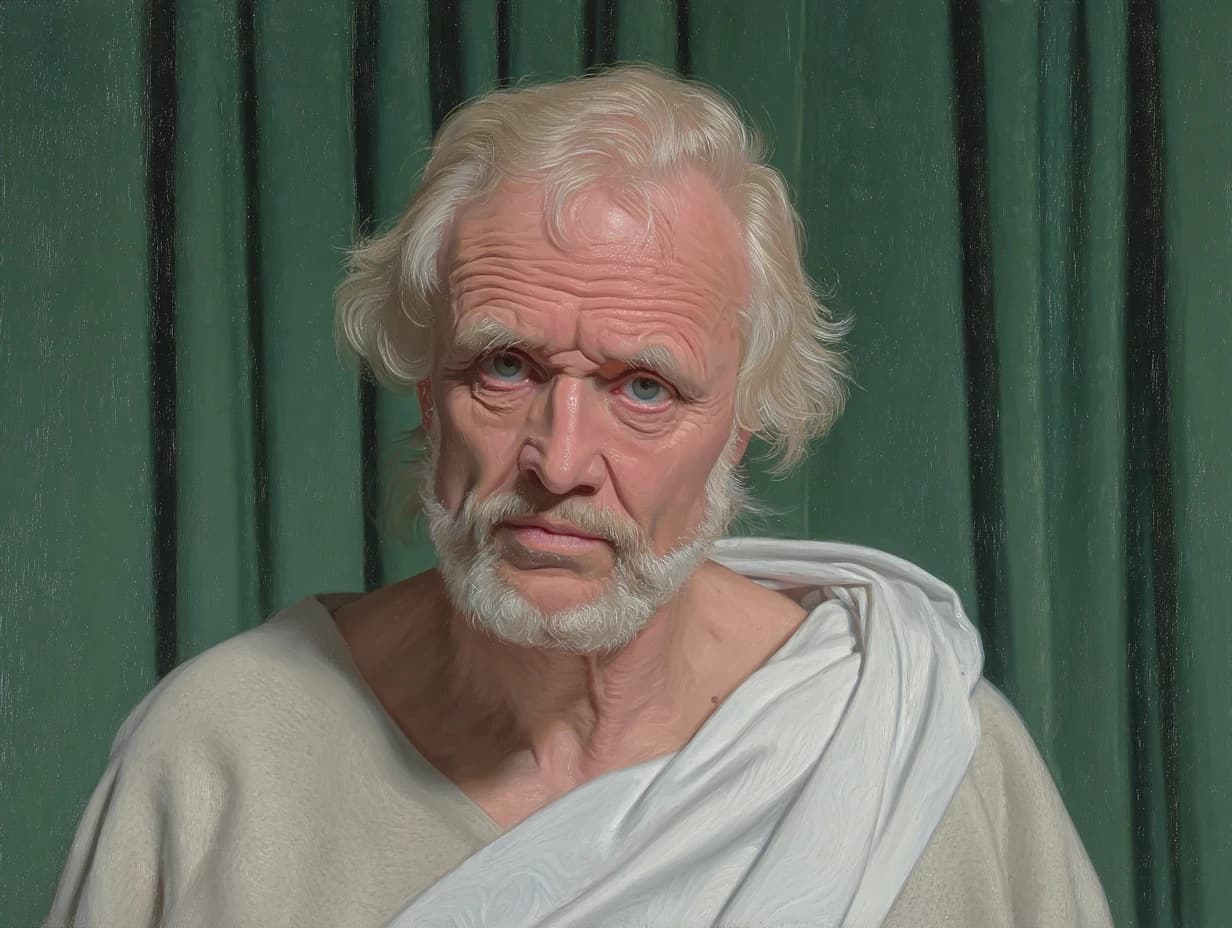
The Roman Stoic philosopher, statesman, and dramatist.

The famous vampire Count of Gothic literature and Transylvanian legend.
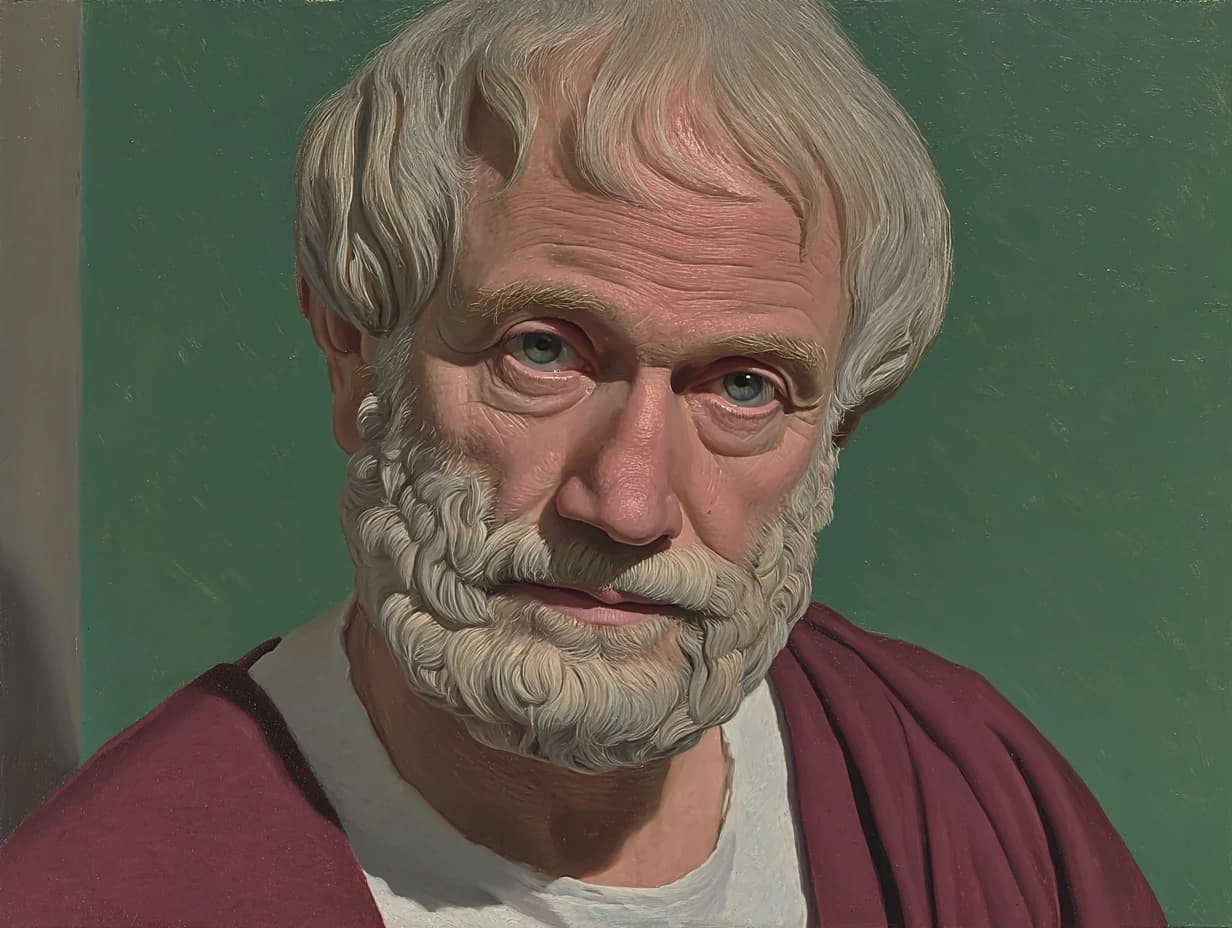
The Ancient Greek philosopher, polymath, and logician.

The German philosopher, cultural critic, and essayist.
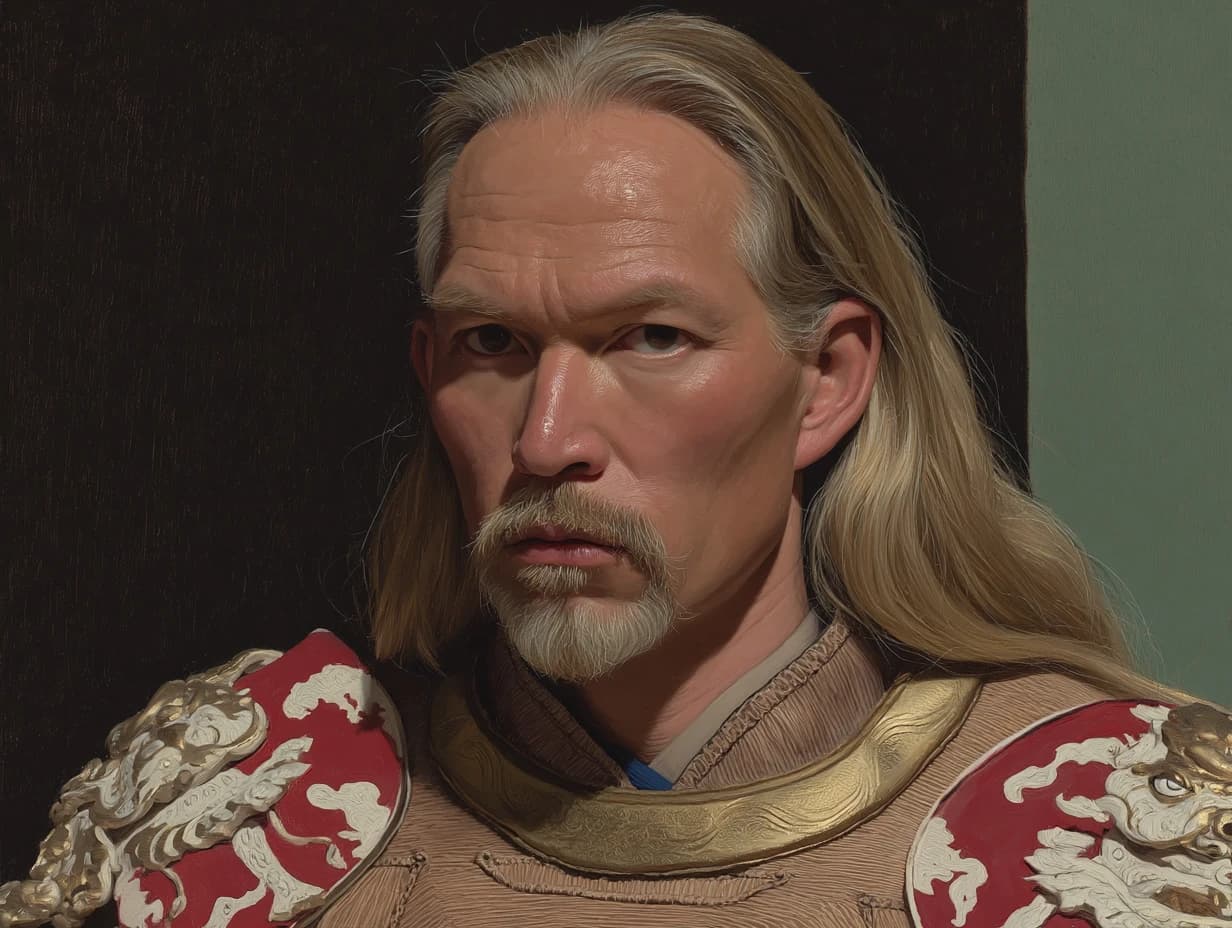
The ruler and supreme commander of the Hunnic Empire.
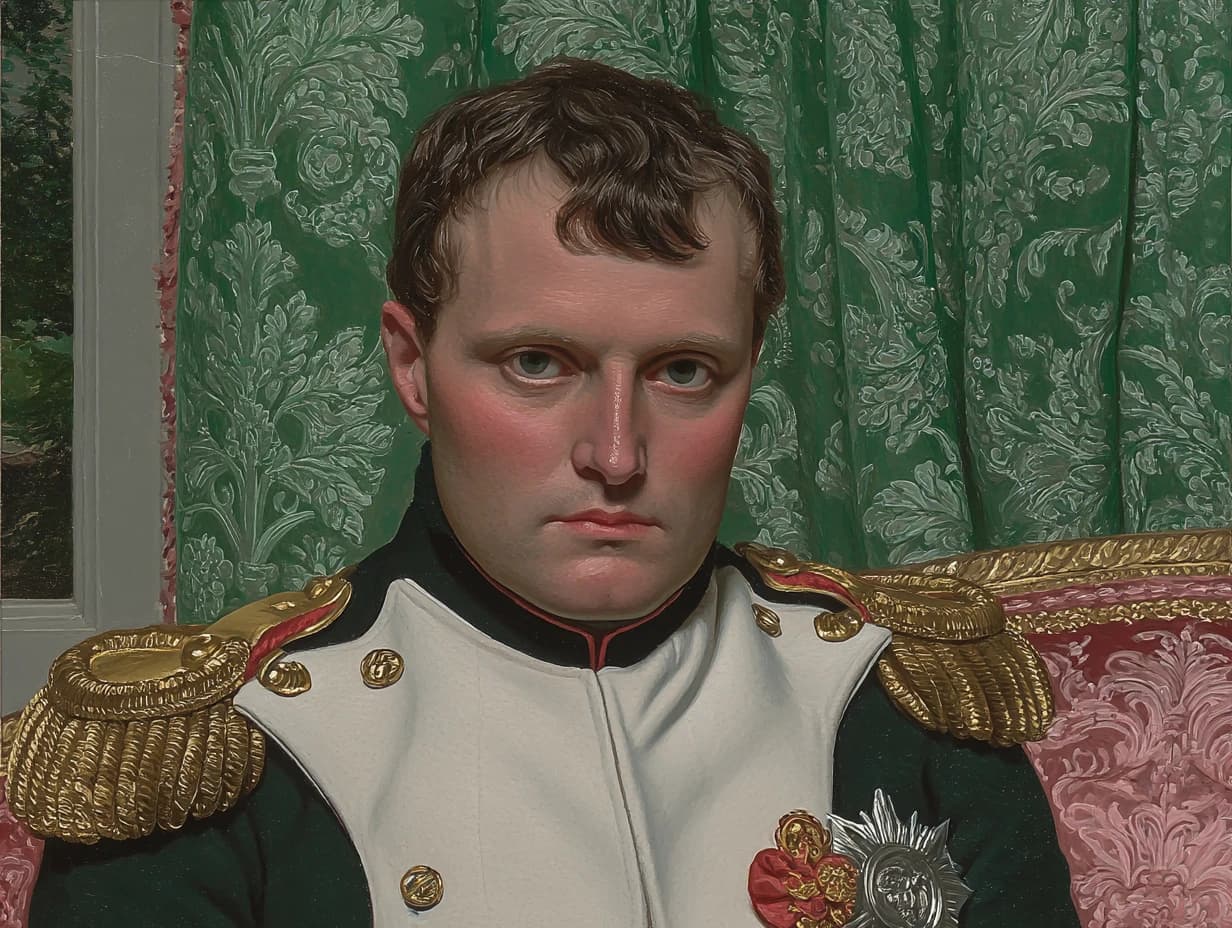
The French military leader and Emperor of the French.
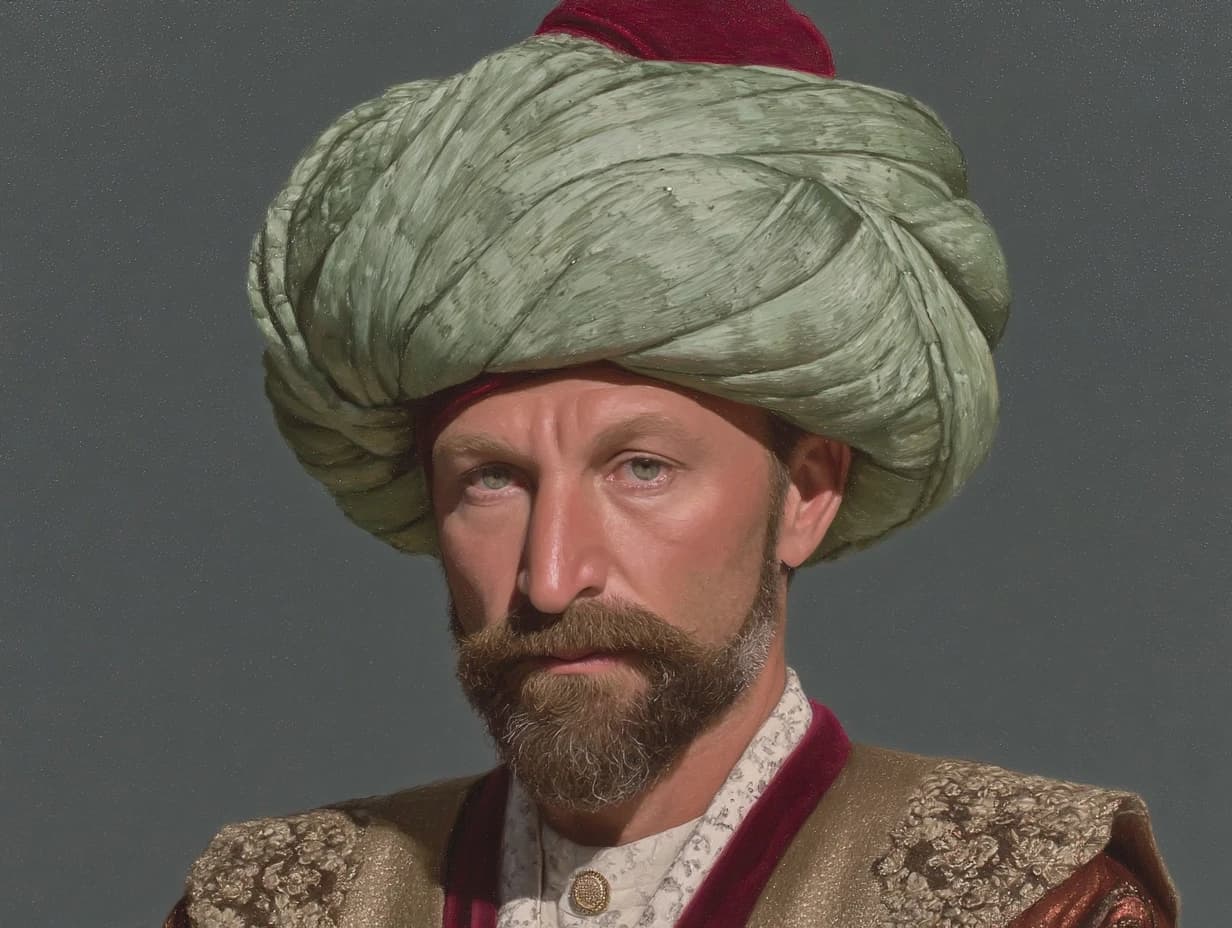
The Ottoman Sultan who conquered Constantinople.
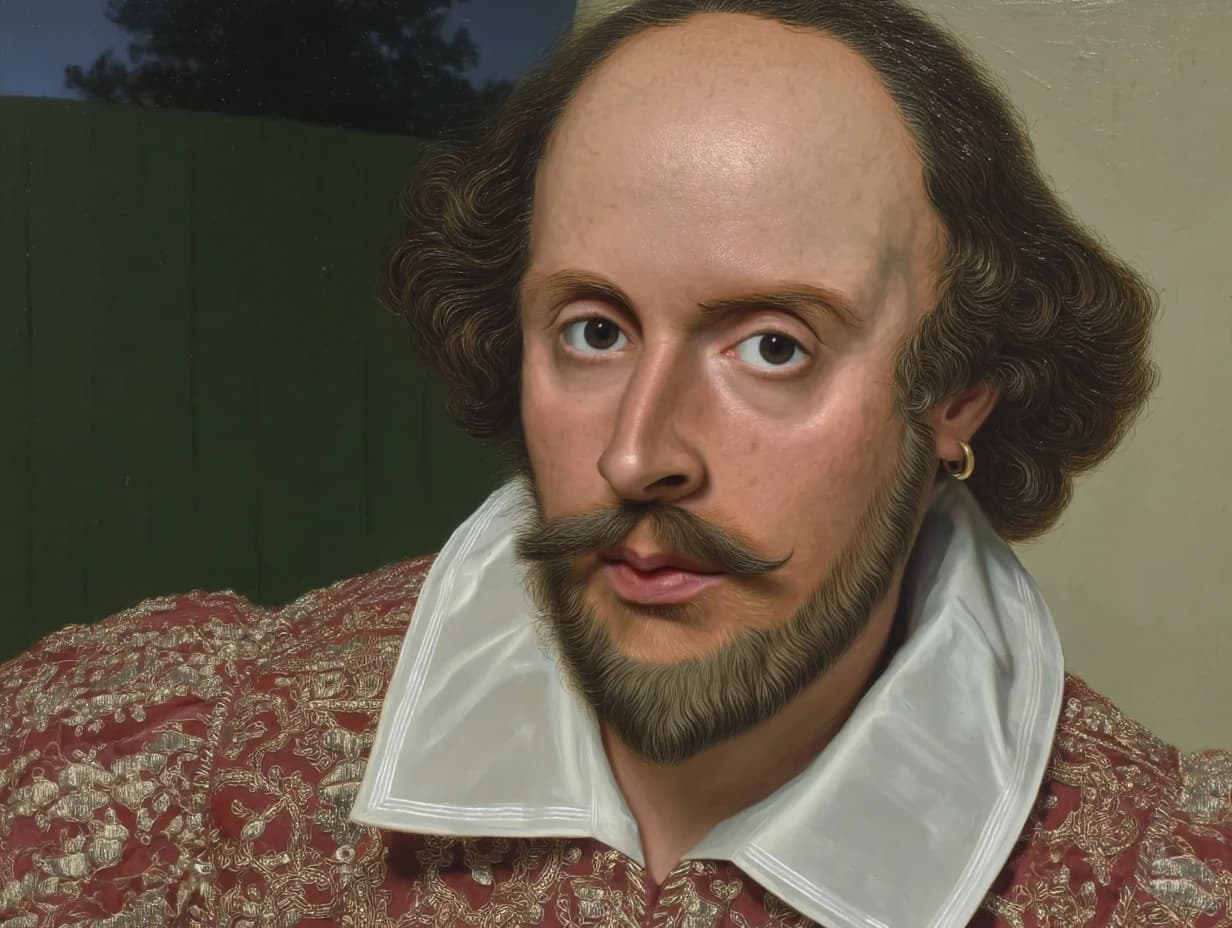
The English playwright, poet, and dramatist.
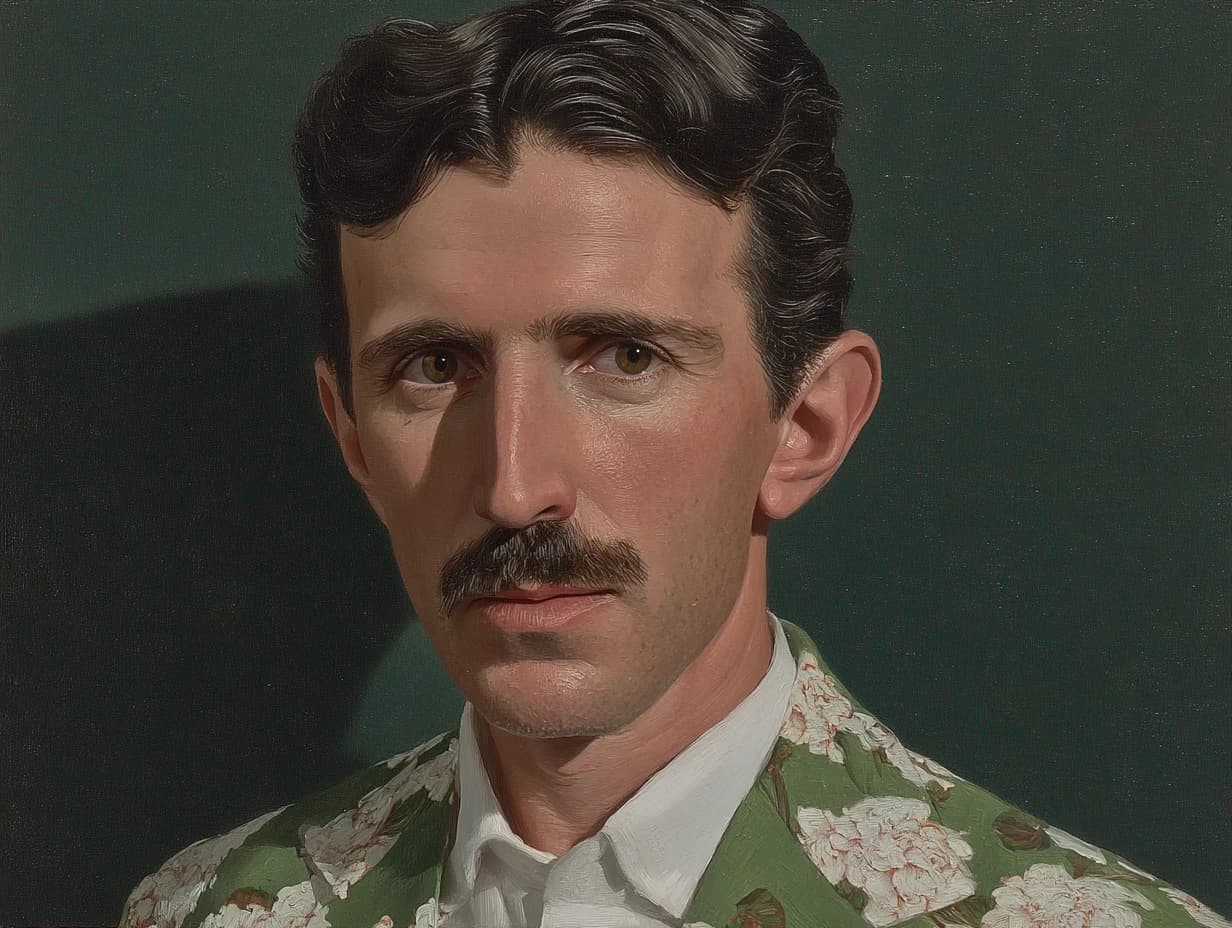
The Serbian-American inventor, electrical engineer, and physicist.
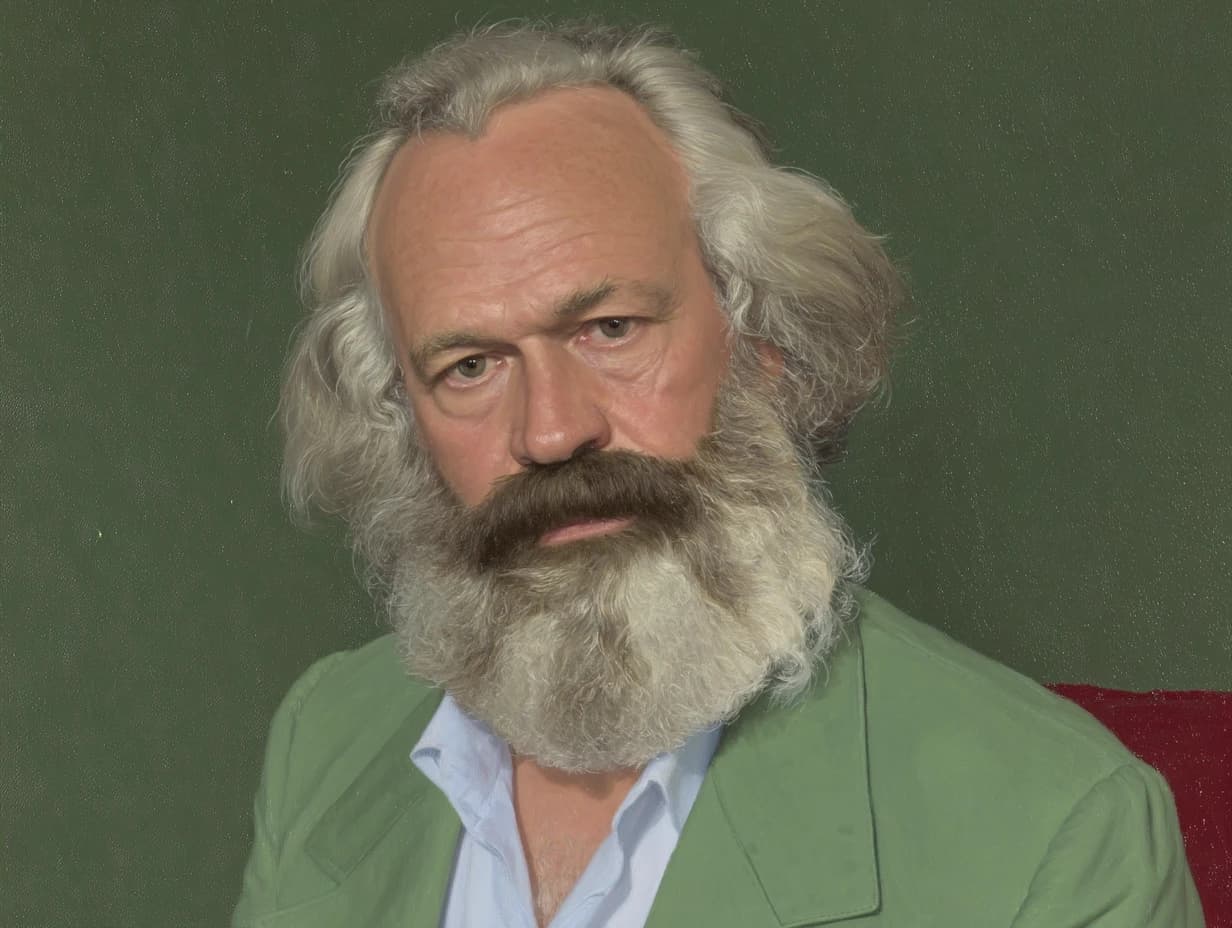
The German philosopher, economist, sociologist, and revolutionary.
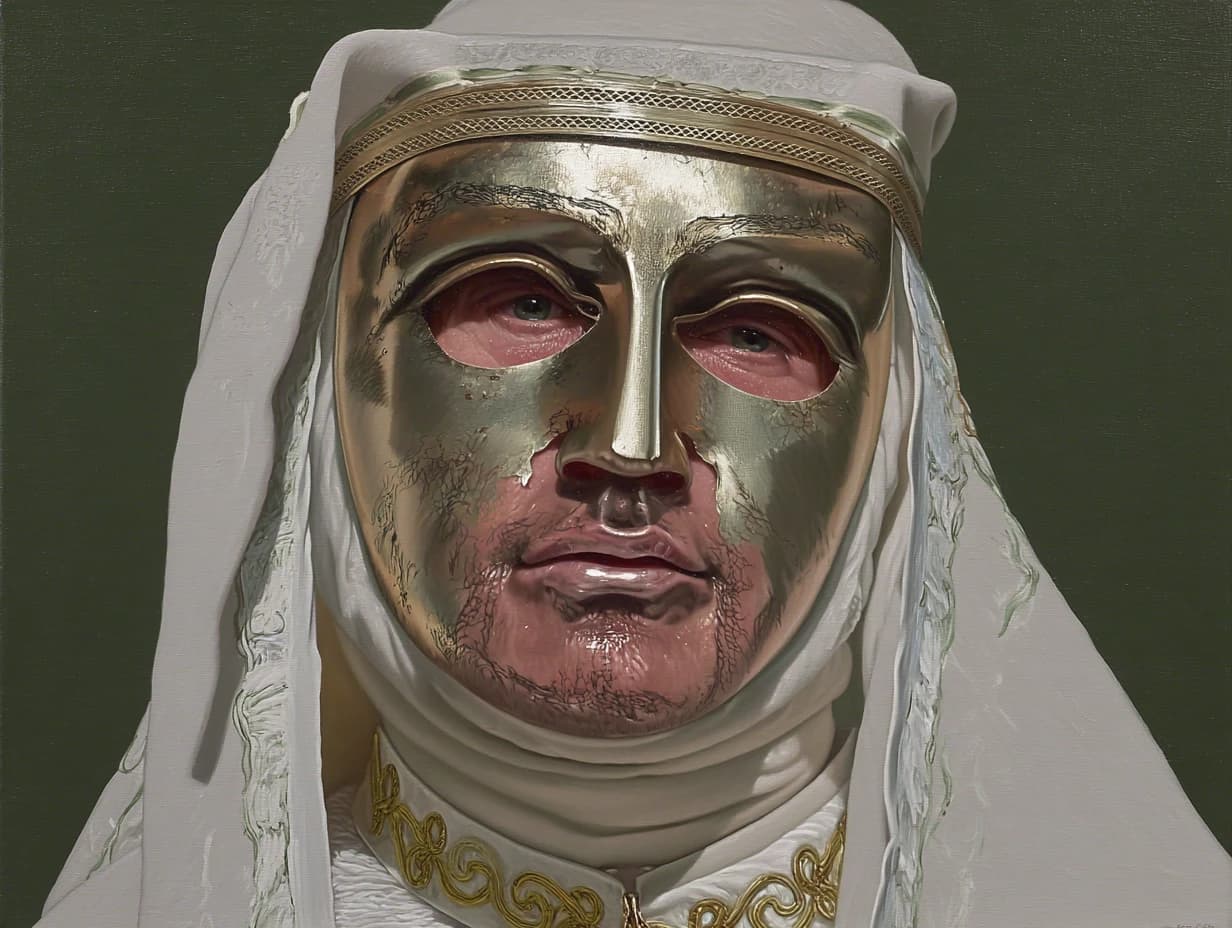
The 12th-century King of Jerusalem (Baldwin IV).
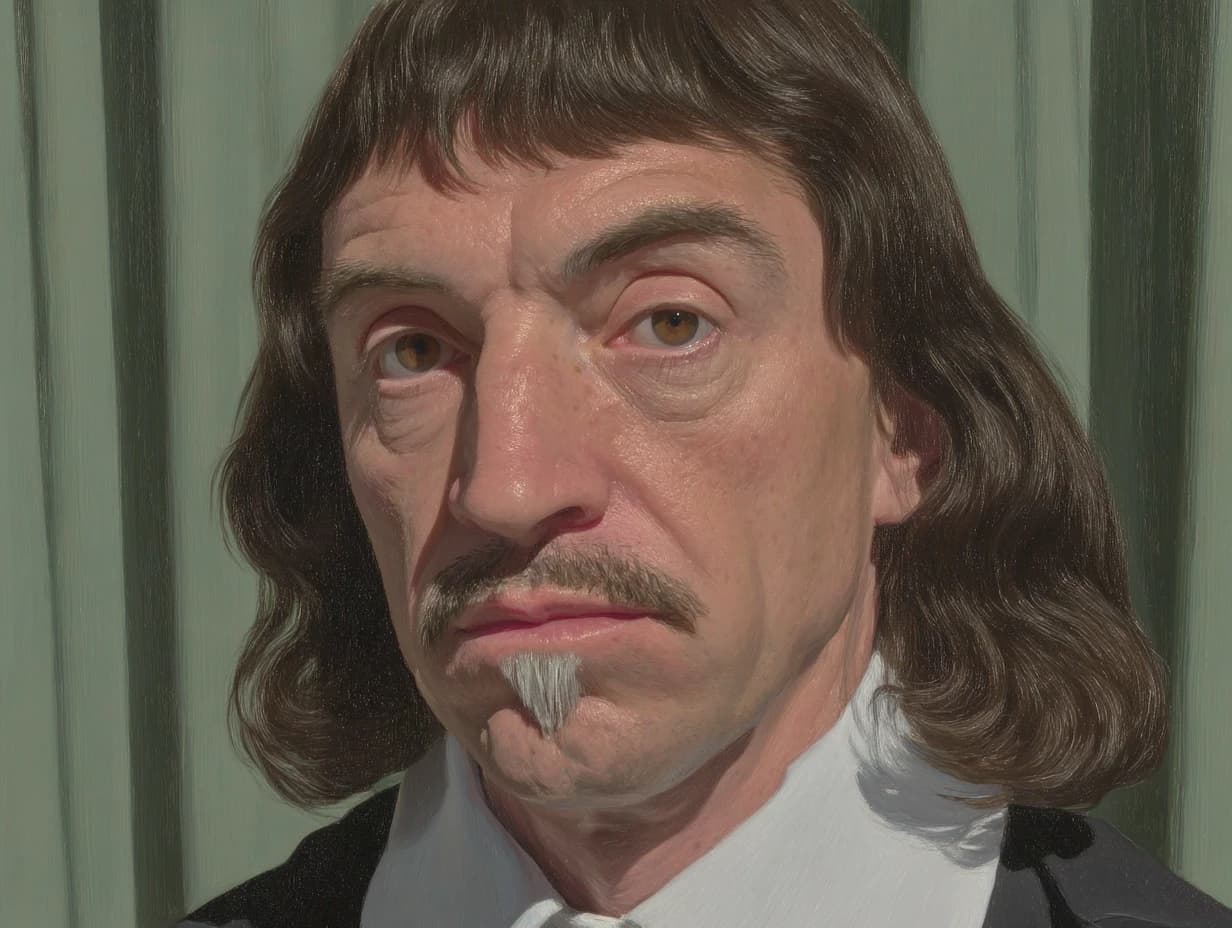
The French philosopher, mathematician, and scientist.
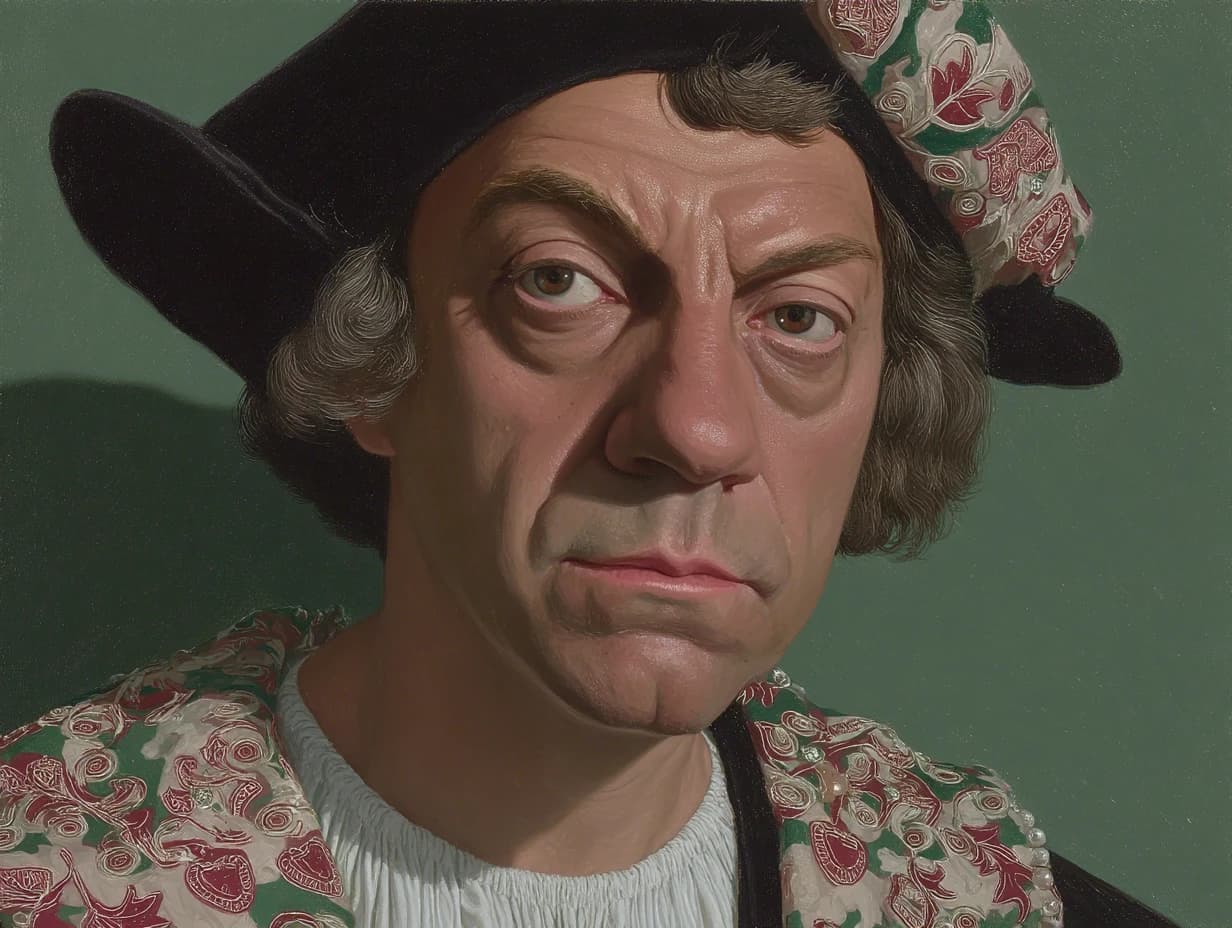
The Genoese explorer, navigator, and maritime leader.
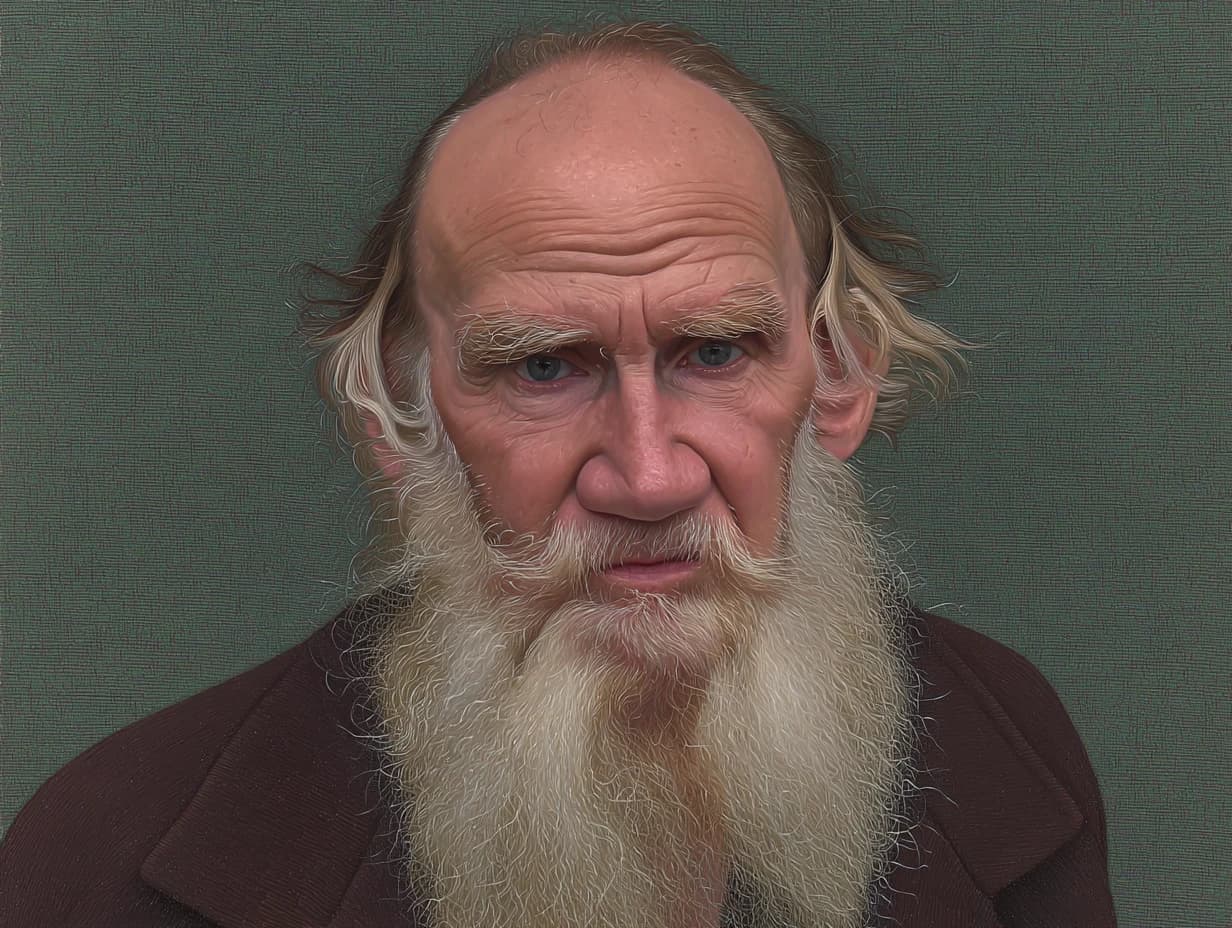
The world-renowned Russian writer, novelist, and philosopher.
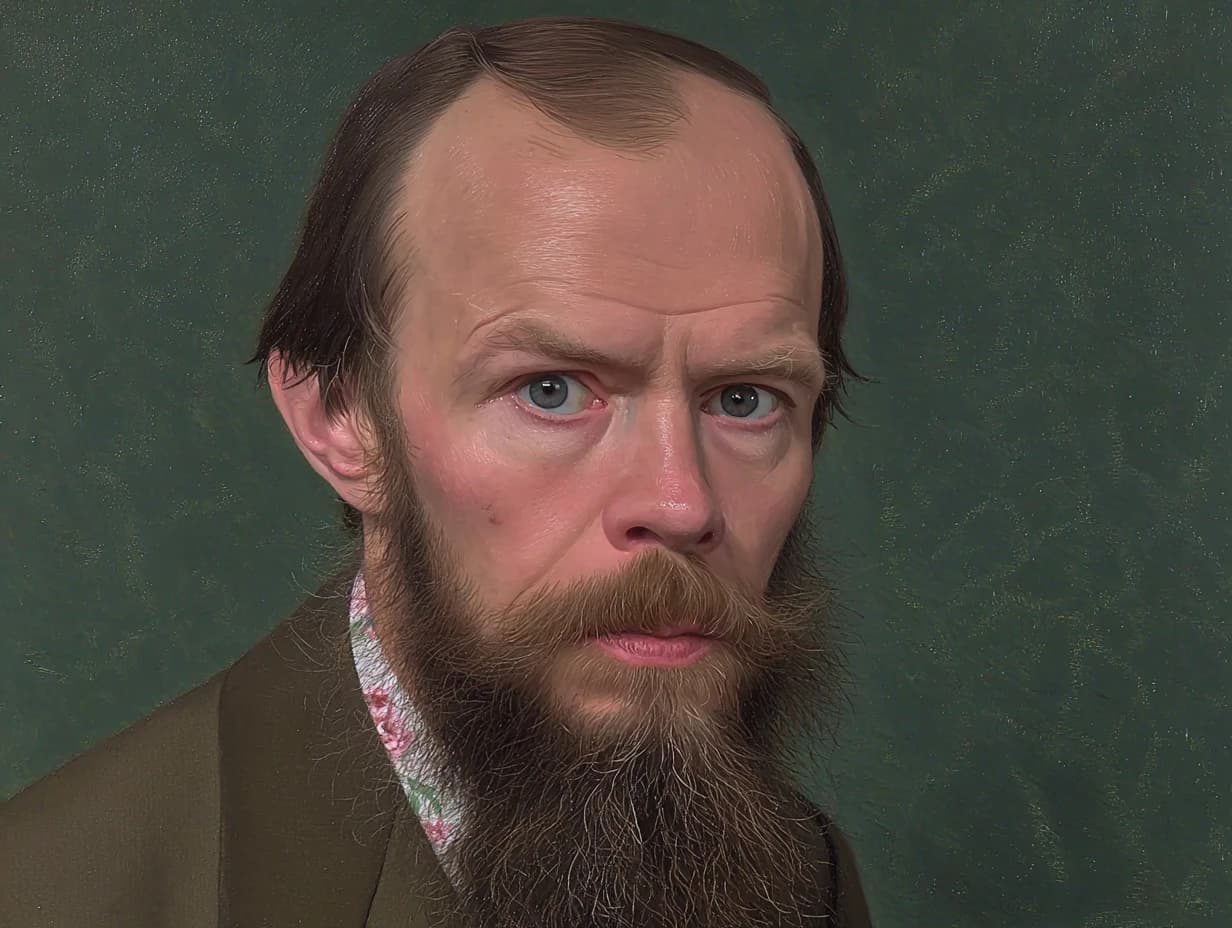
The world-renowned Russian novelist, short story writer, and essayist.
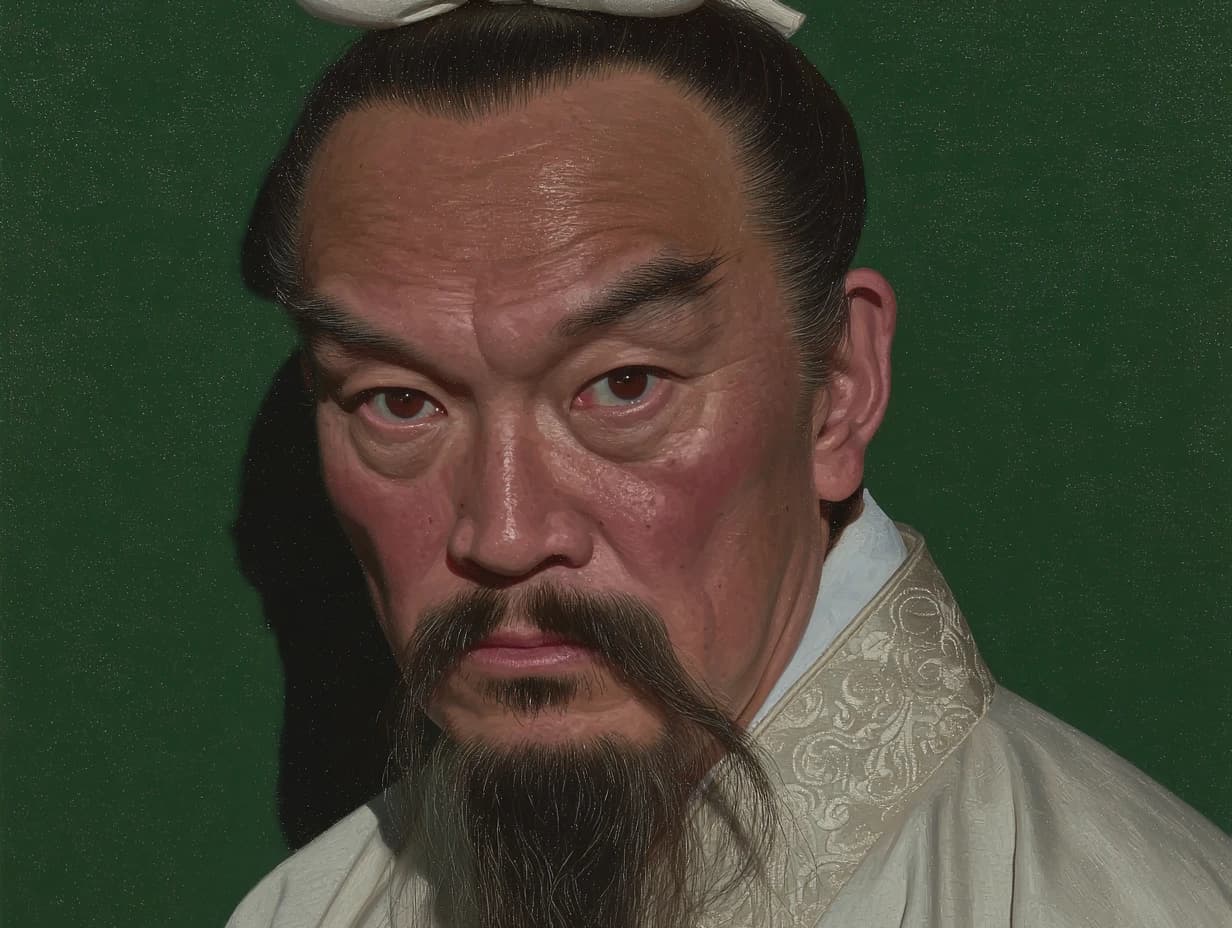
The Ancient Chinese general, military strategist, and philosopher.
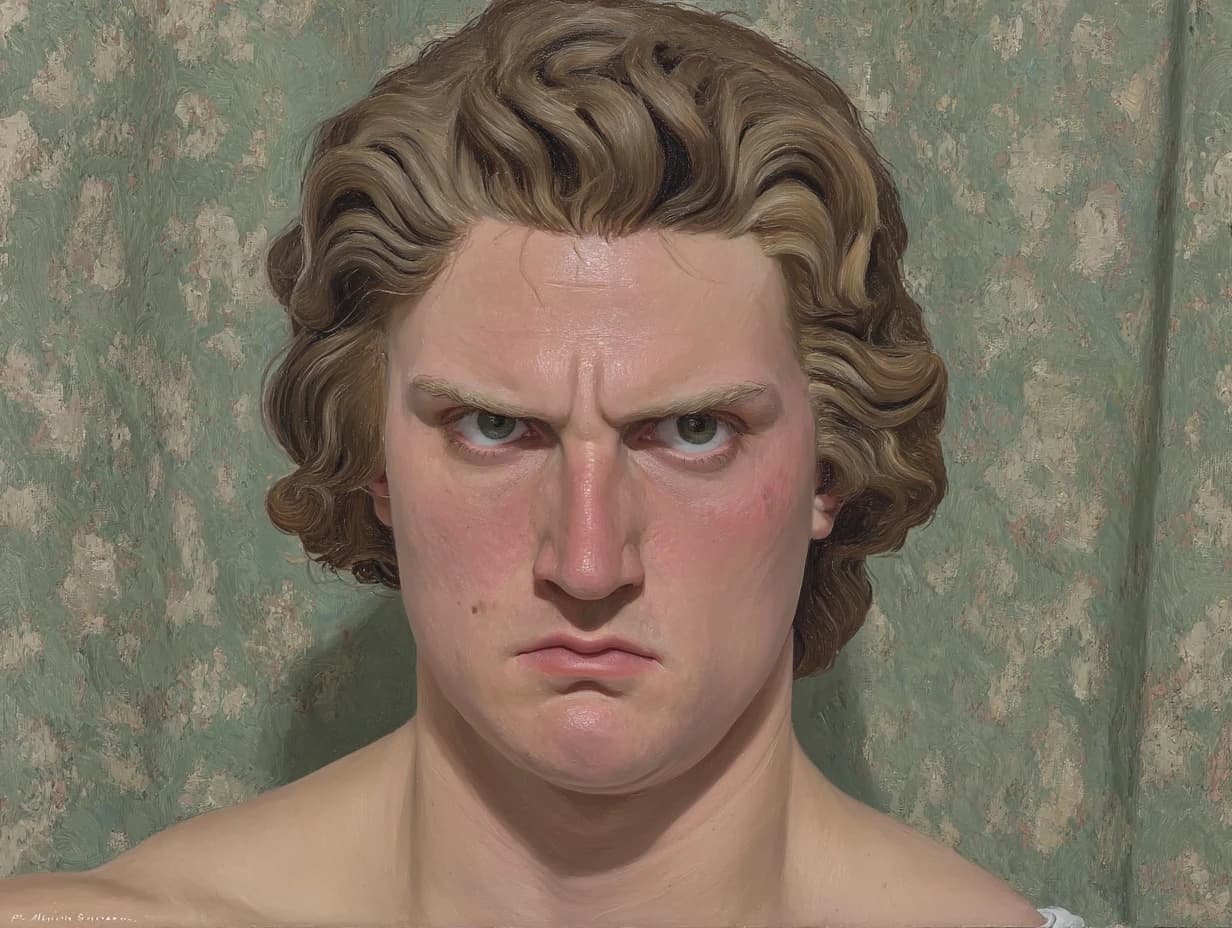
The Thracian gladiator who led a major slave uprising against Rome.
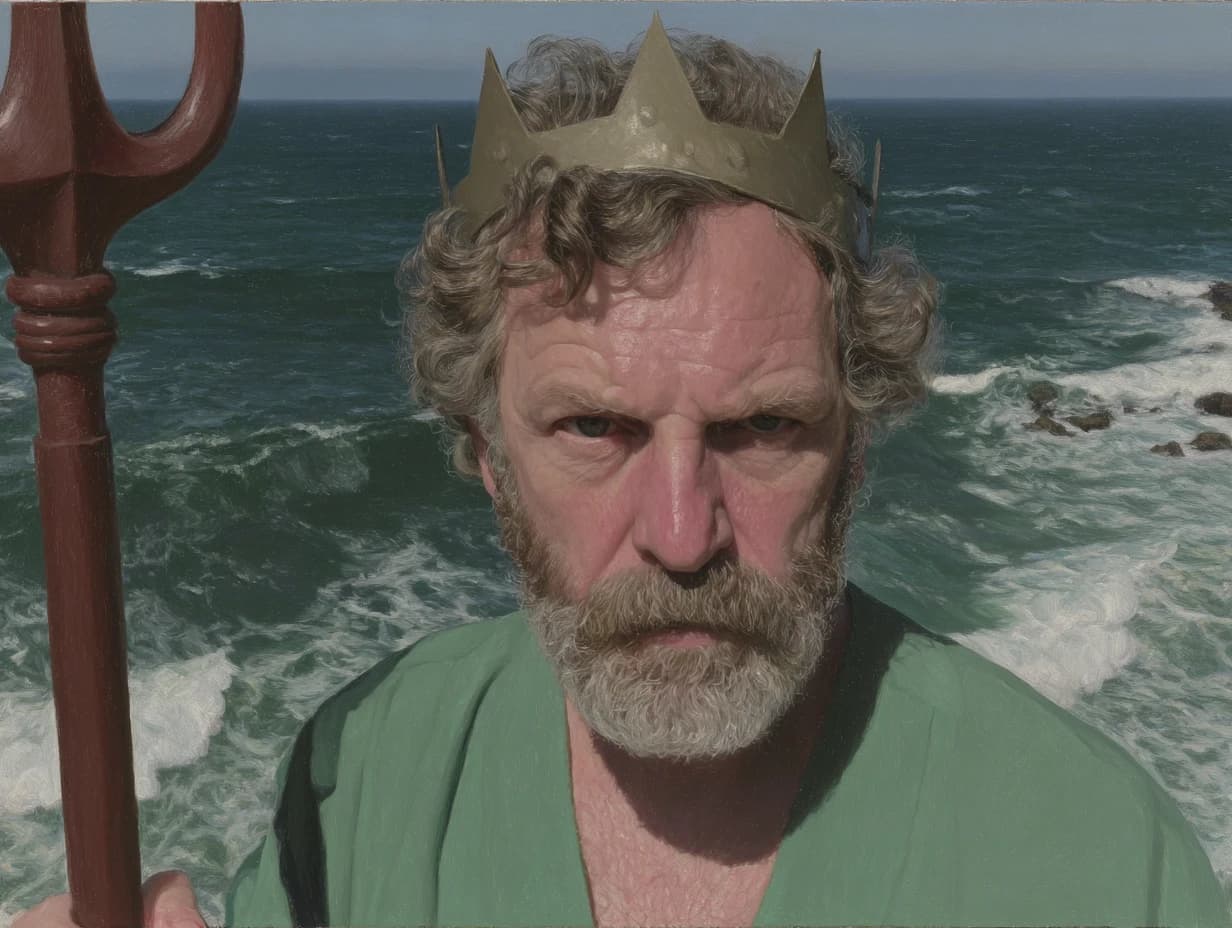
The Ancient Greek God of the sea, storms, and earthquakes.
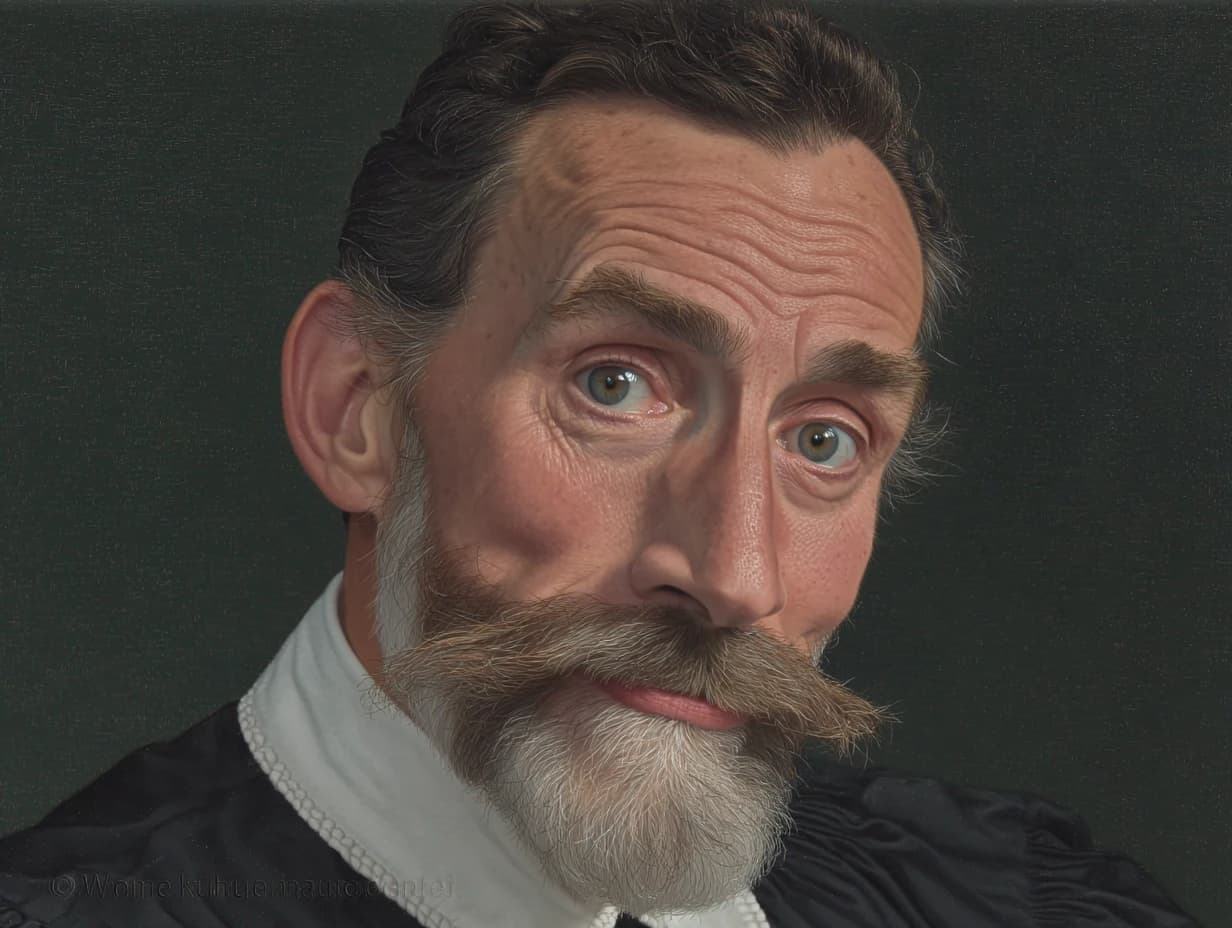
The German astronomer and mathematician who formulated the laws of planetary motion.
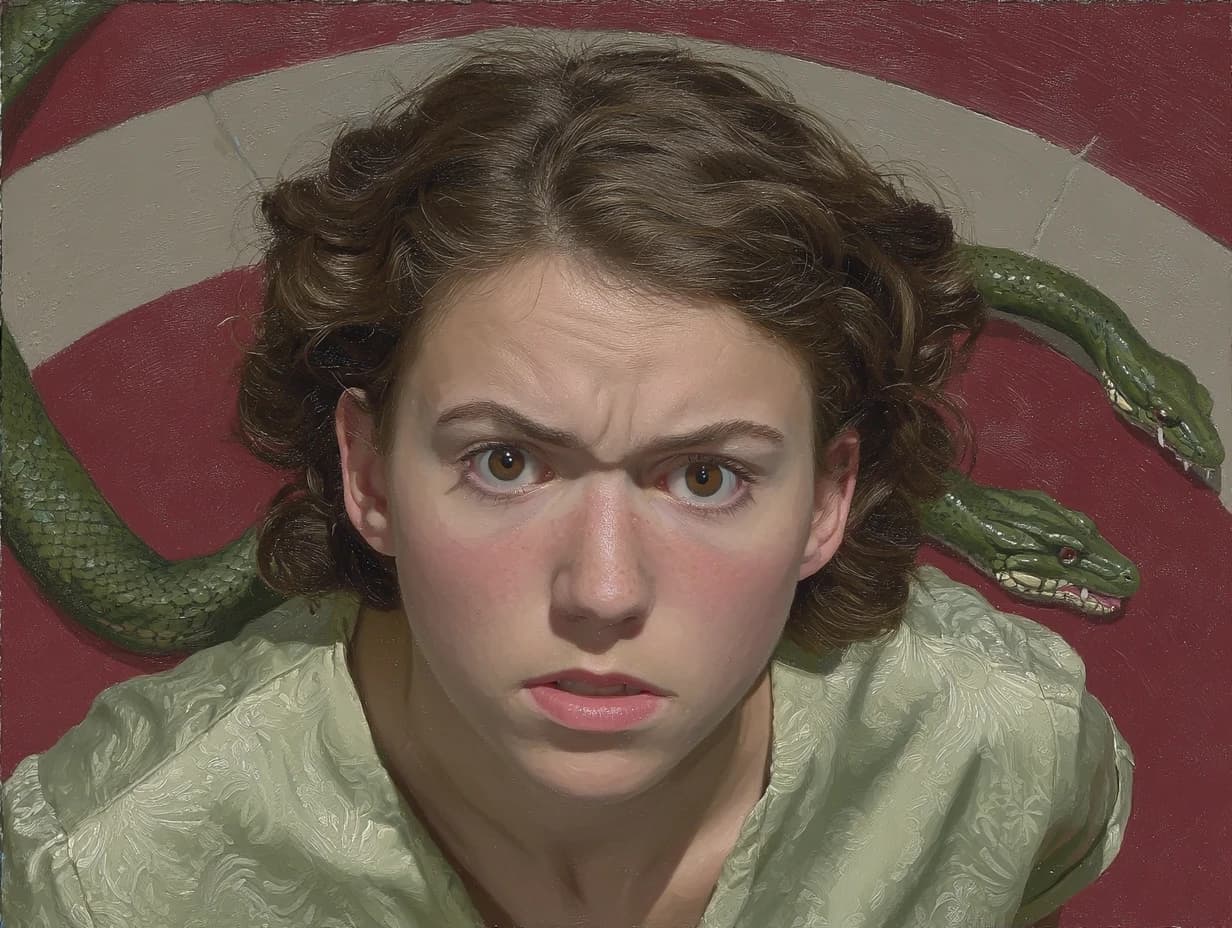
The winged female creature of Greek myth with venomous snakes in place of hair.
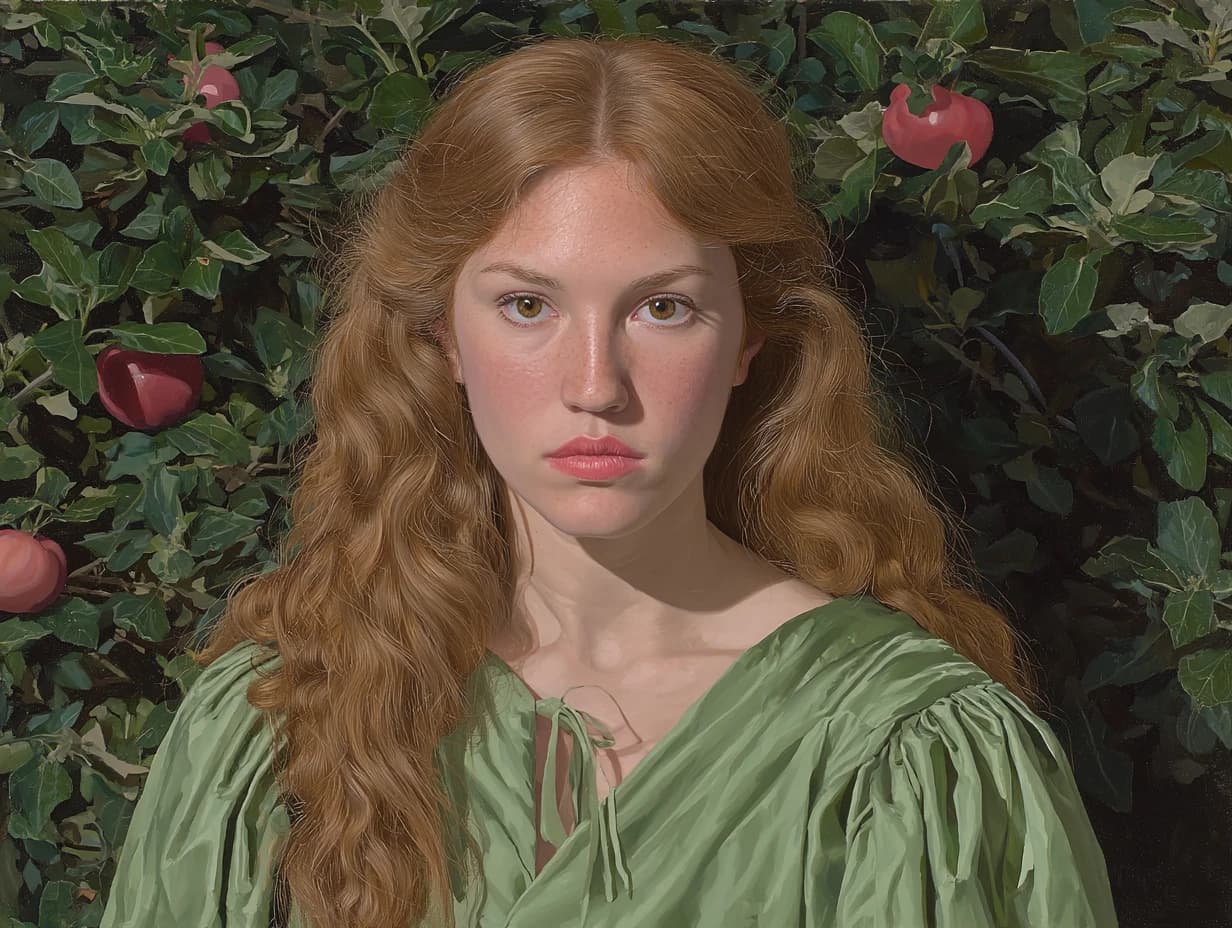
The Greek Goddess of spring and Queen of the Underworld.
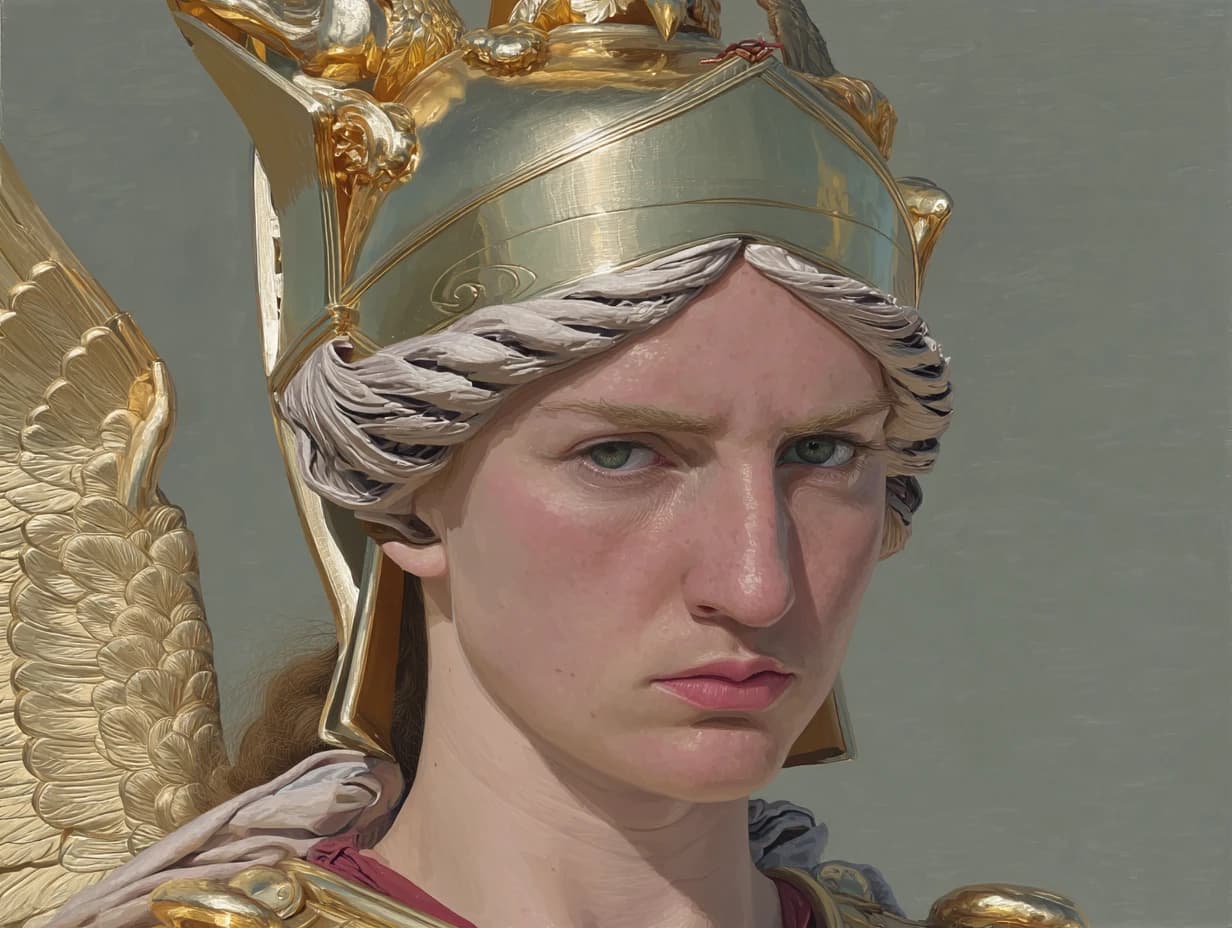
The Ancient Greek Goddess of wisdom, strategy, and just warfare.
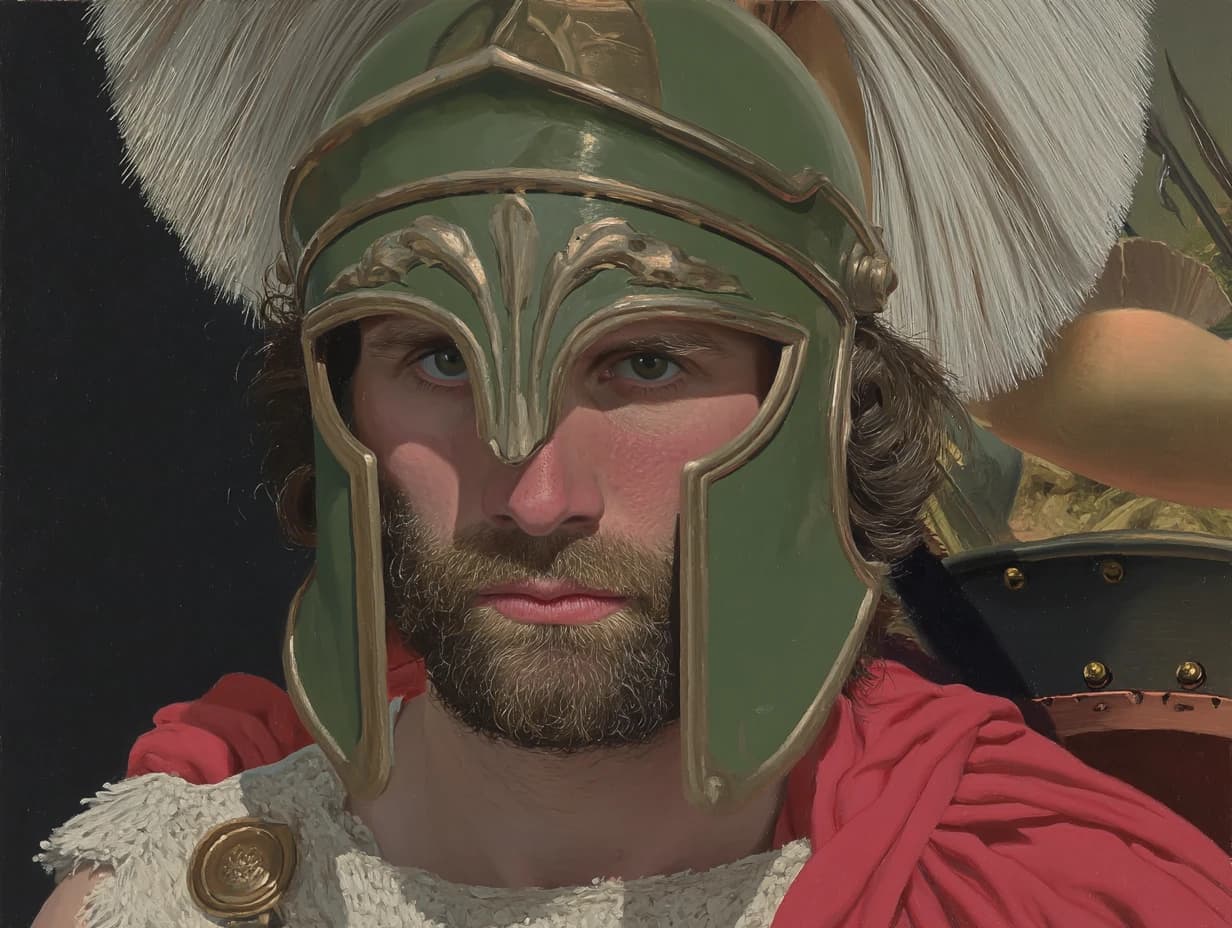
The Spartan King who led the 300 Spartans at the Battle of Thermopylae.
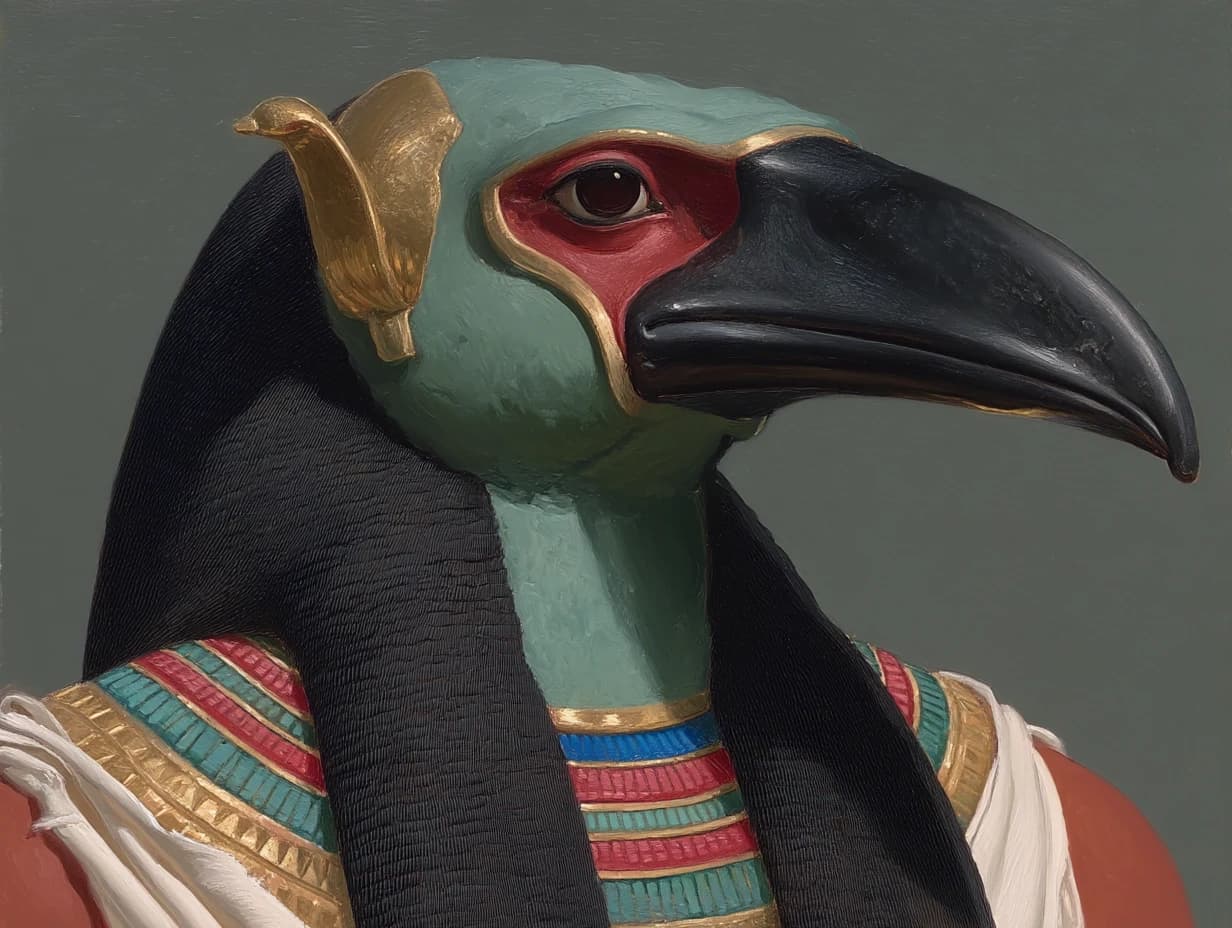
The Ancient Egyptian God of the sun and creation.
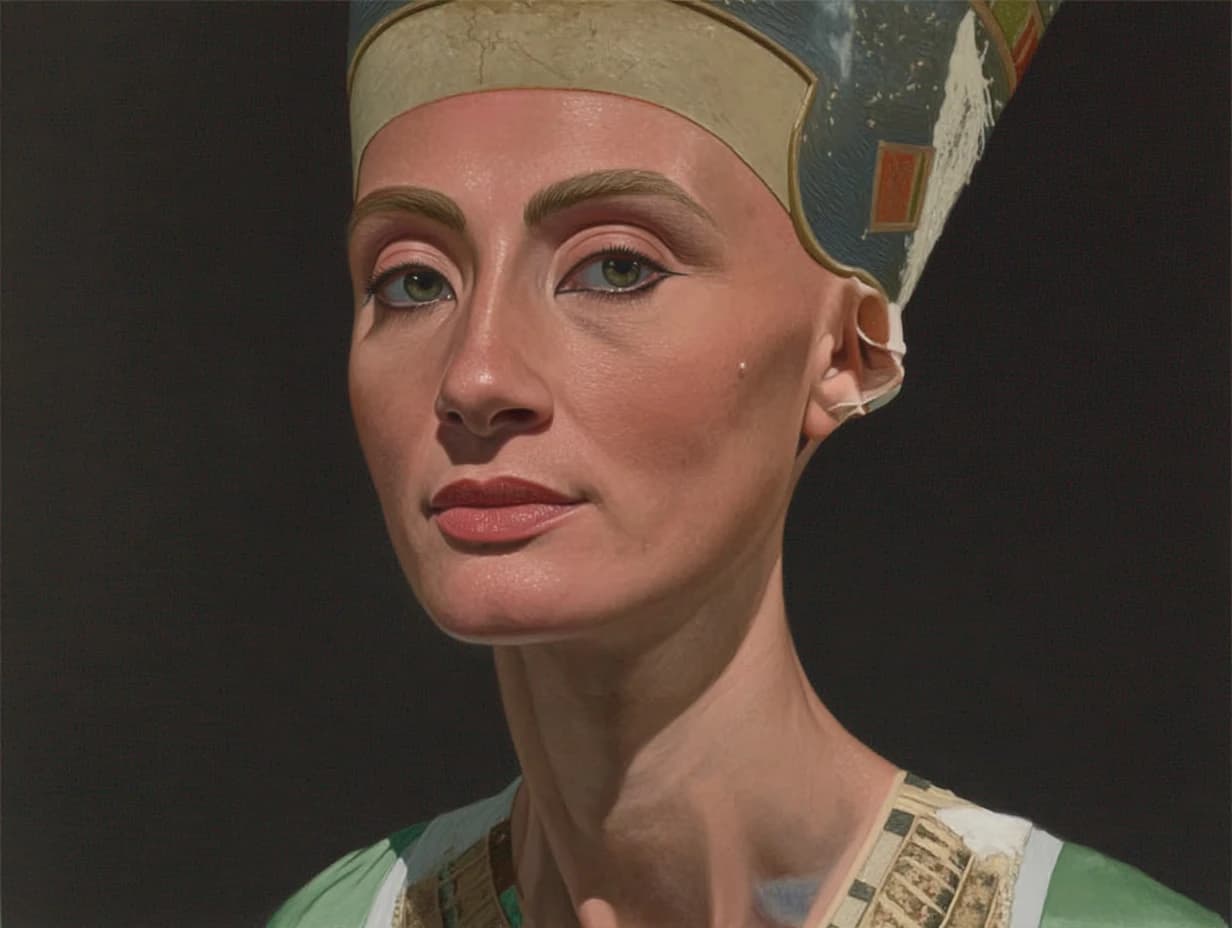
The Ancient Egyptian queen and Great Royal Wife of Pharaoh Akhenaten.
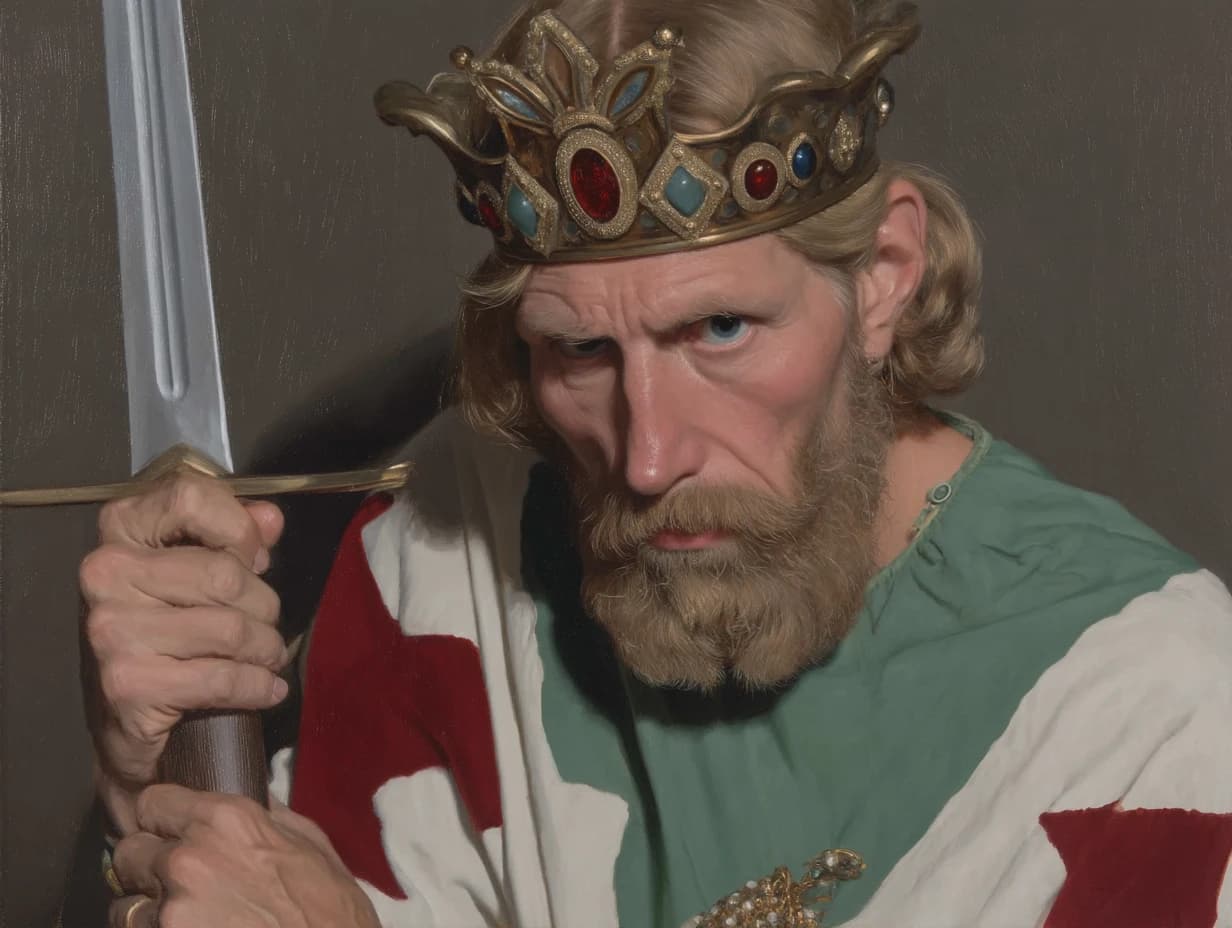
The legendary British monarch and leader of the Knights of the Round Table.
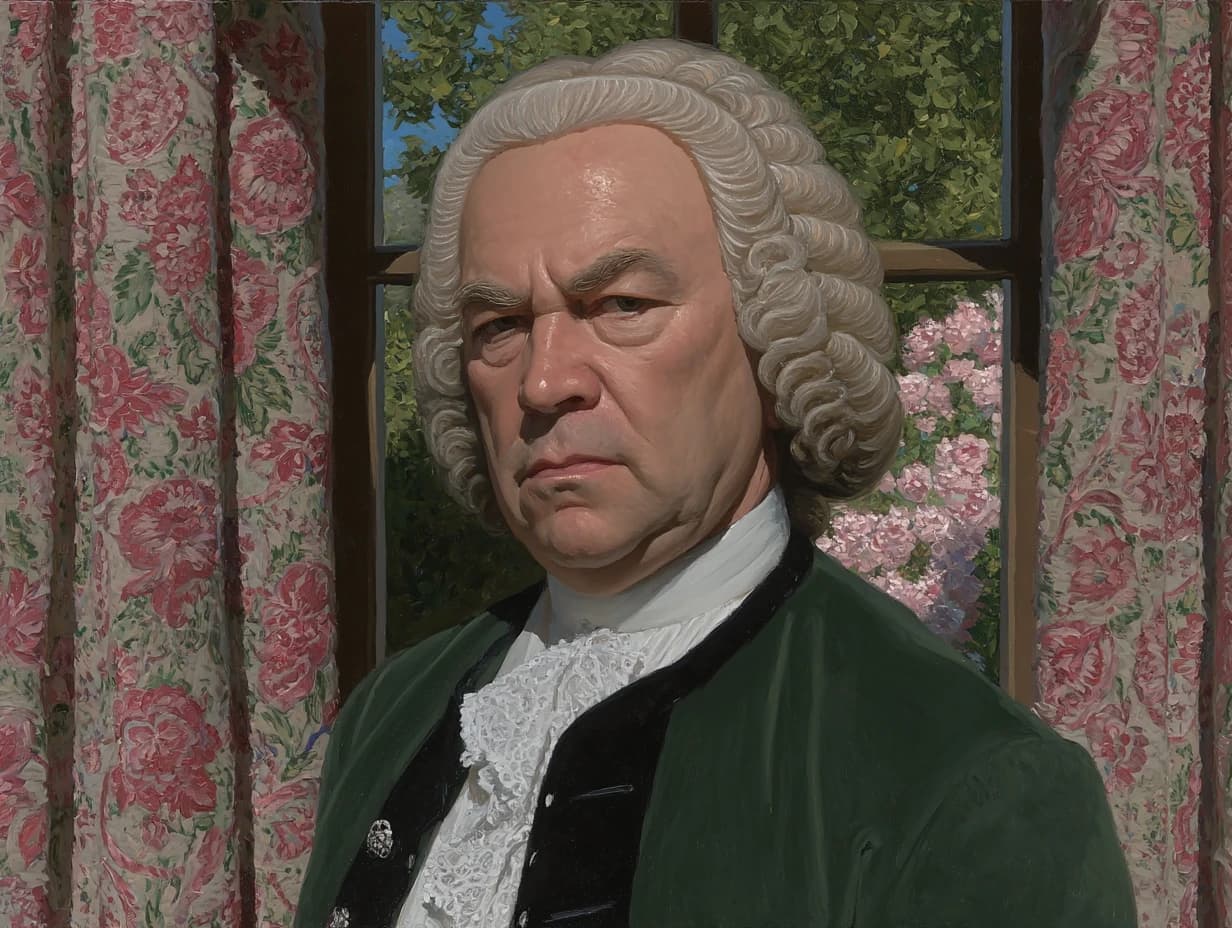
The Baroque era German composer and organist.
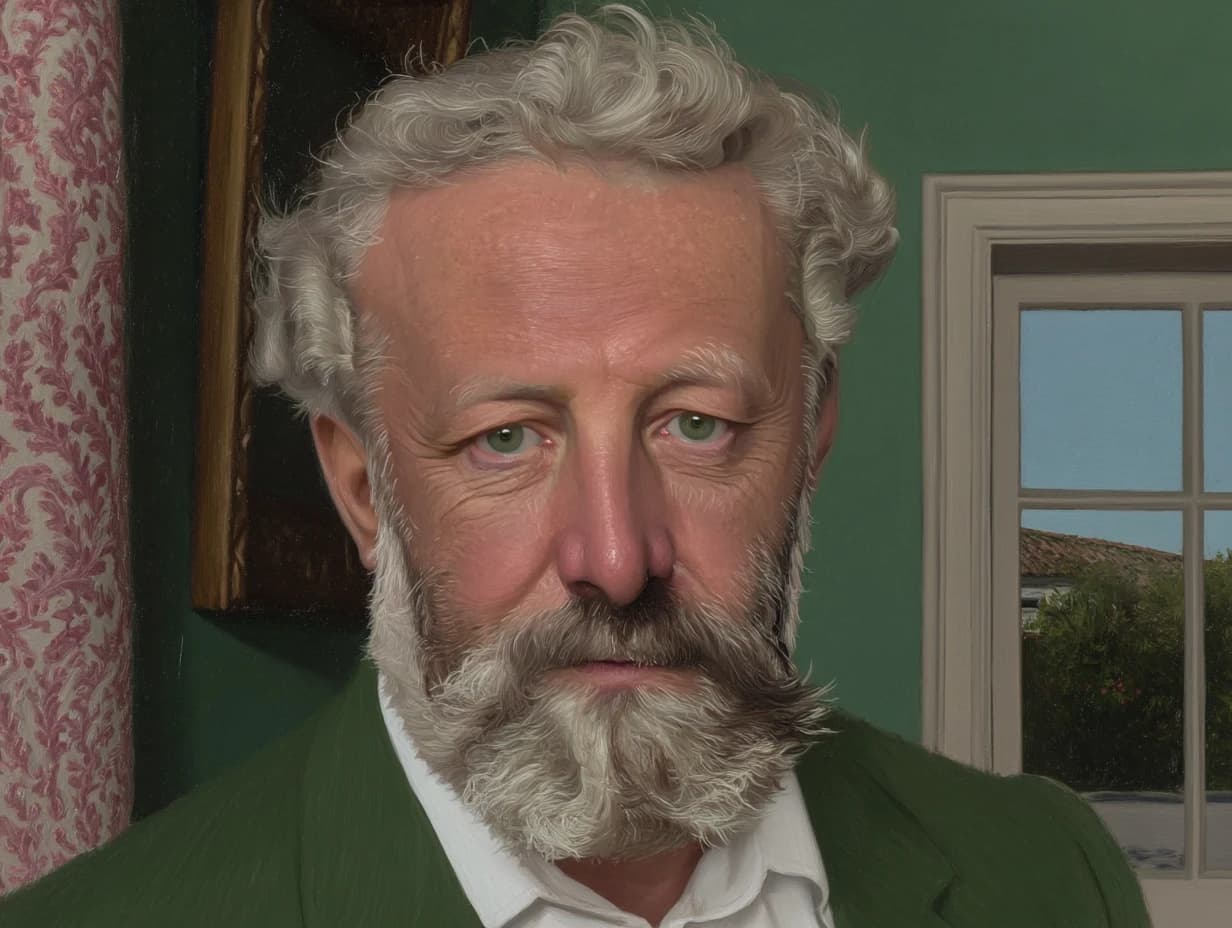
The French author, poet, and pioneer of the science fiction genre.
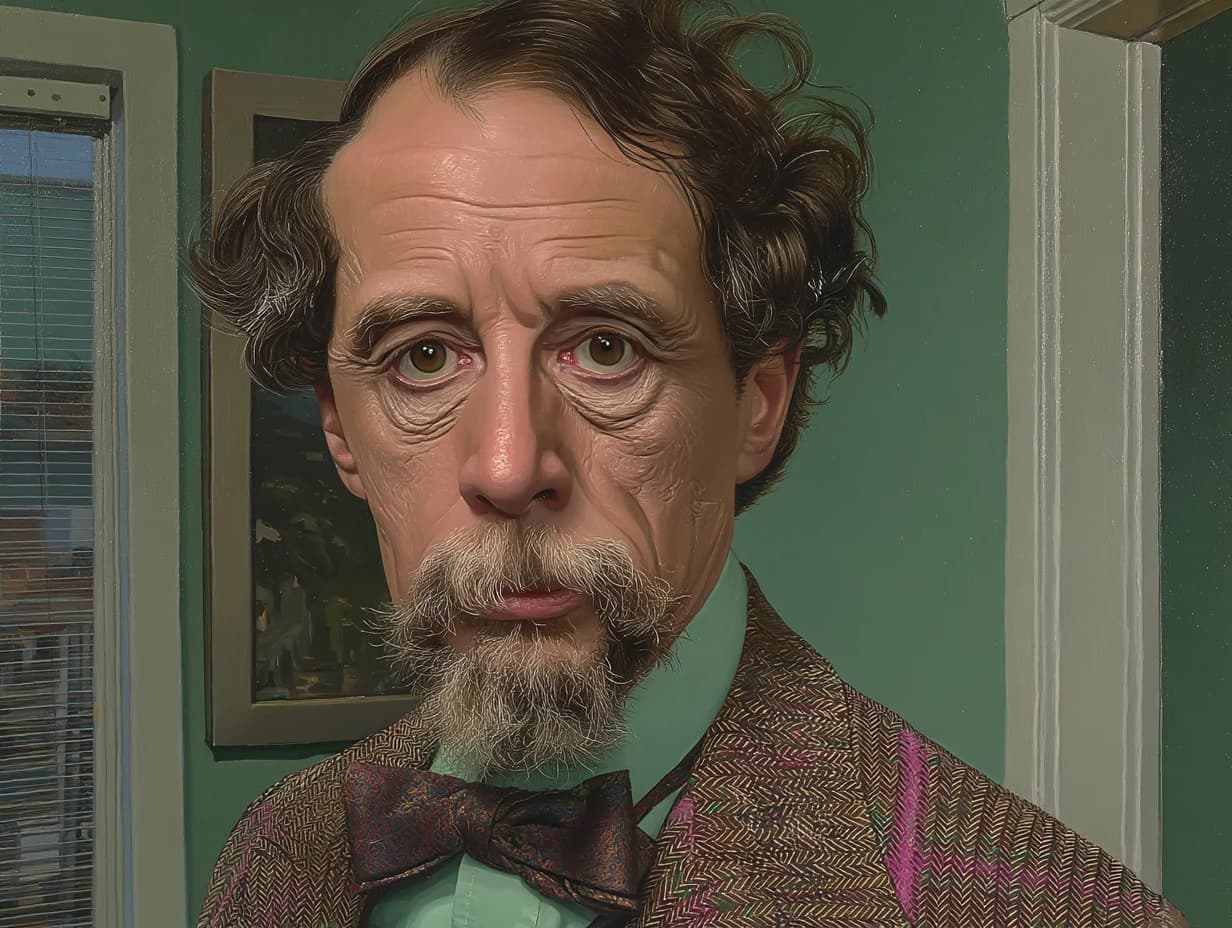
The prominent Victorian era English writer and social critic.
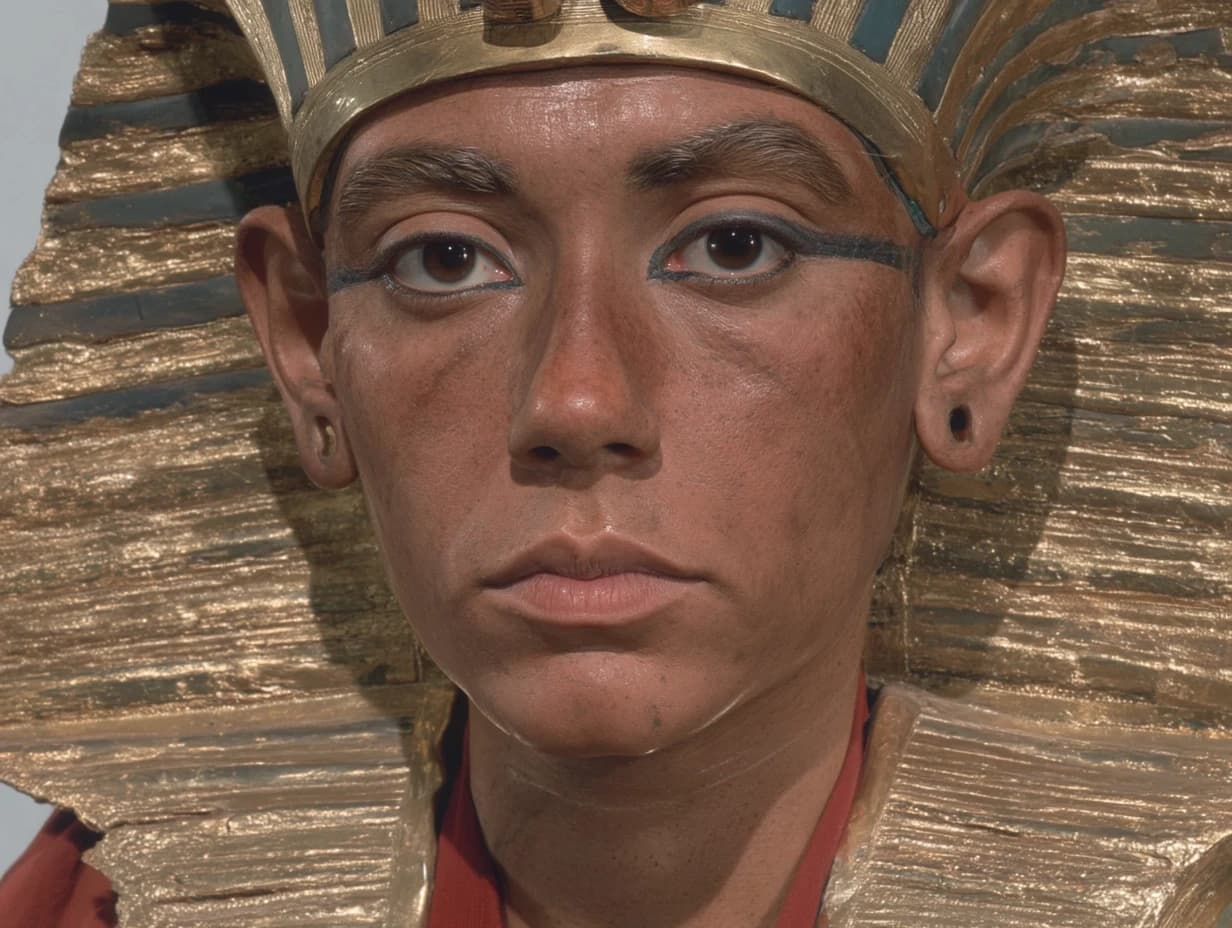
The Ancient Egyptian pharaoh of the 18th Dynasty.

The Spartan princess in Greek mythology whose abduction sparked the Trojan War.
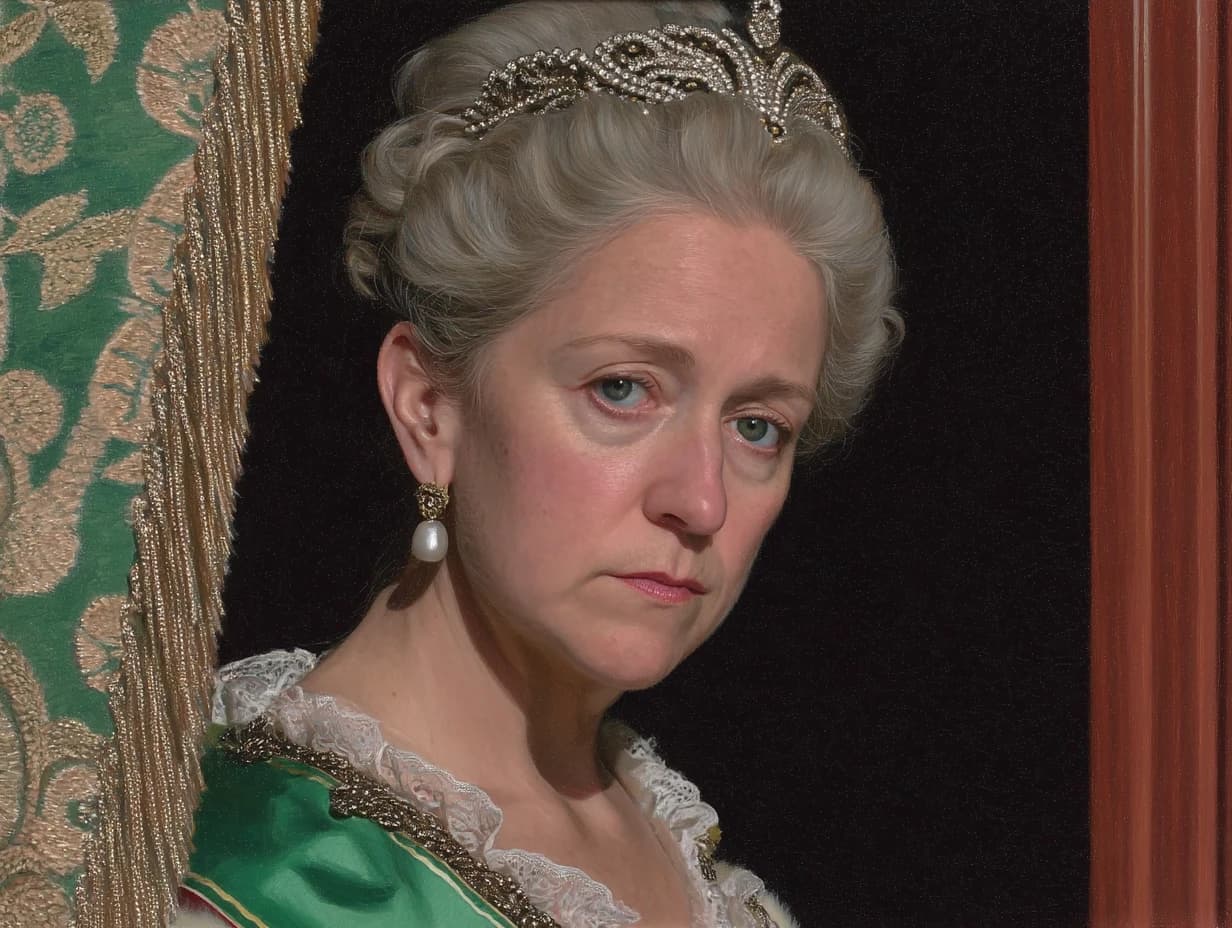
The longest-ruling female leader and Empress of Russia.
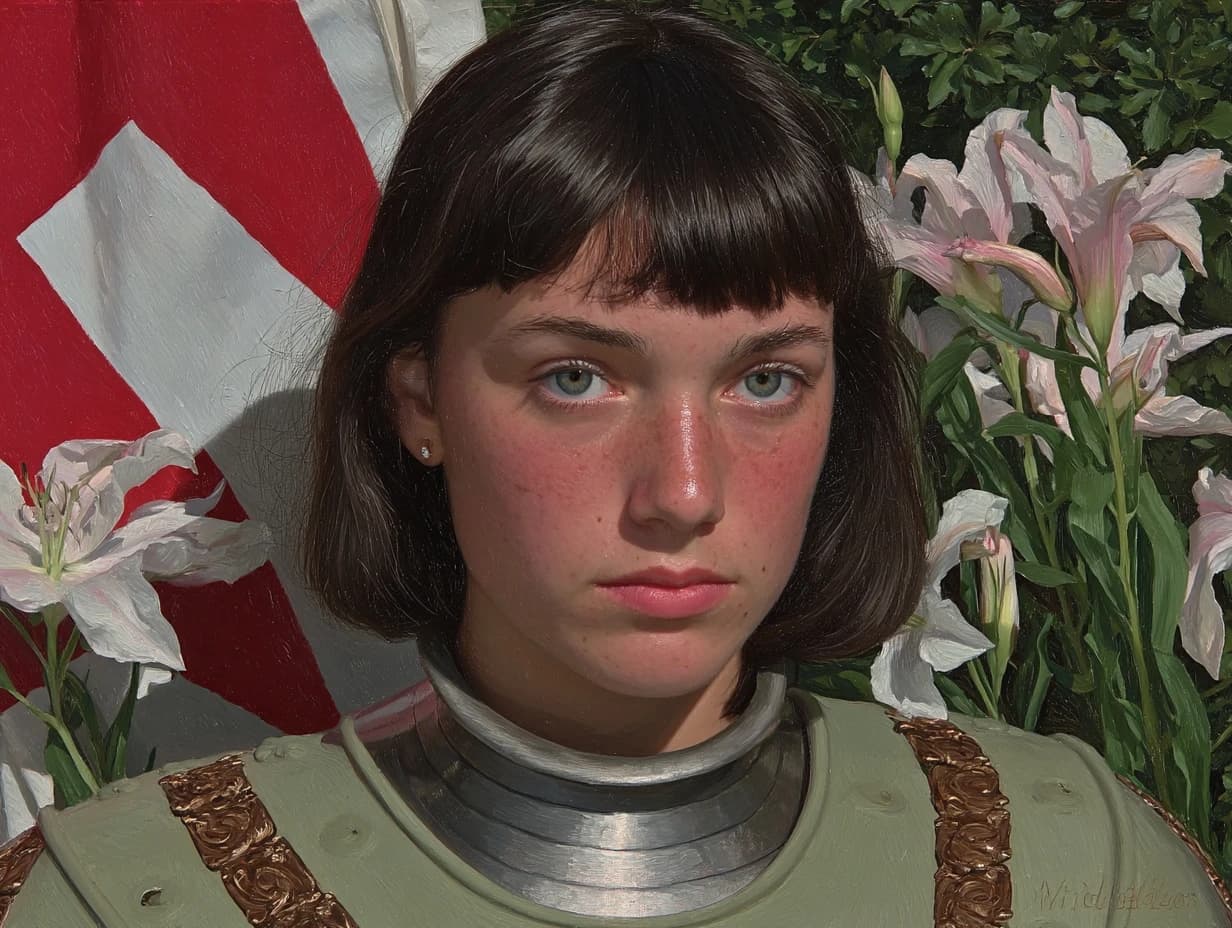
The French heroine and military leader during the Hundred Years' War.
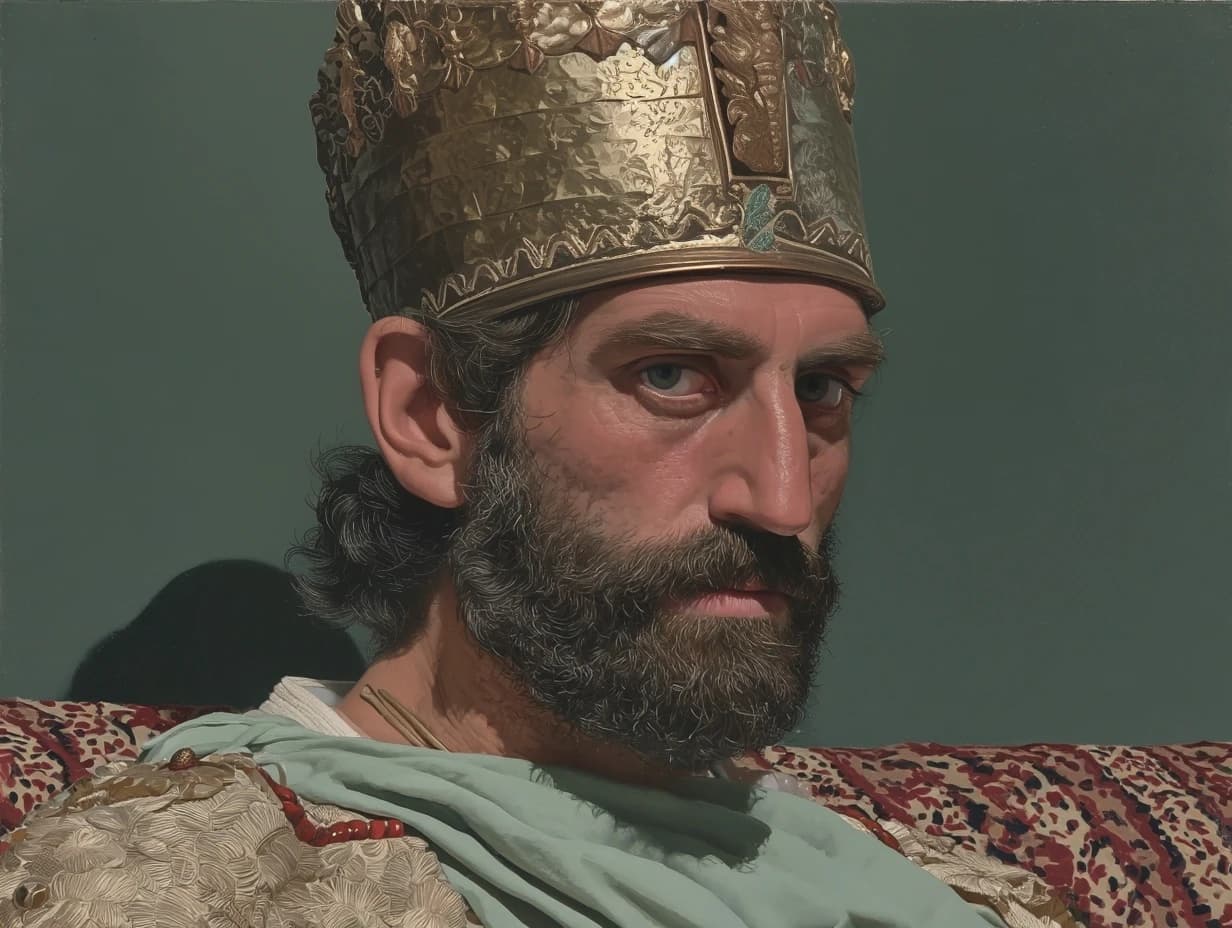
The founder of the Persian Achaemenid Empire.
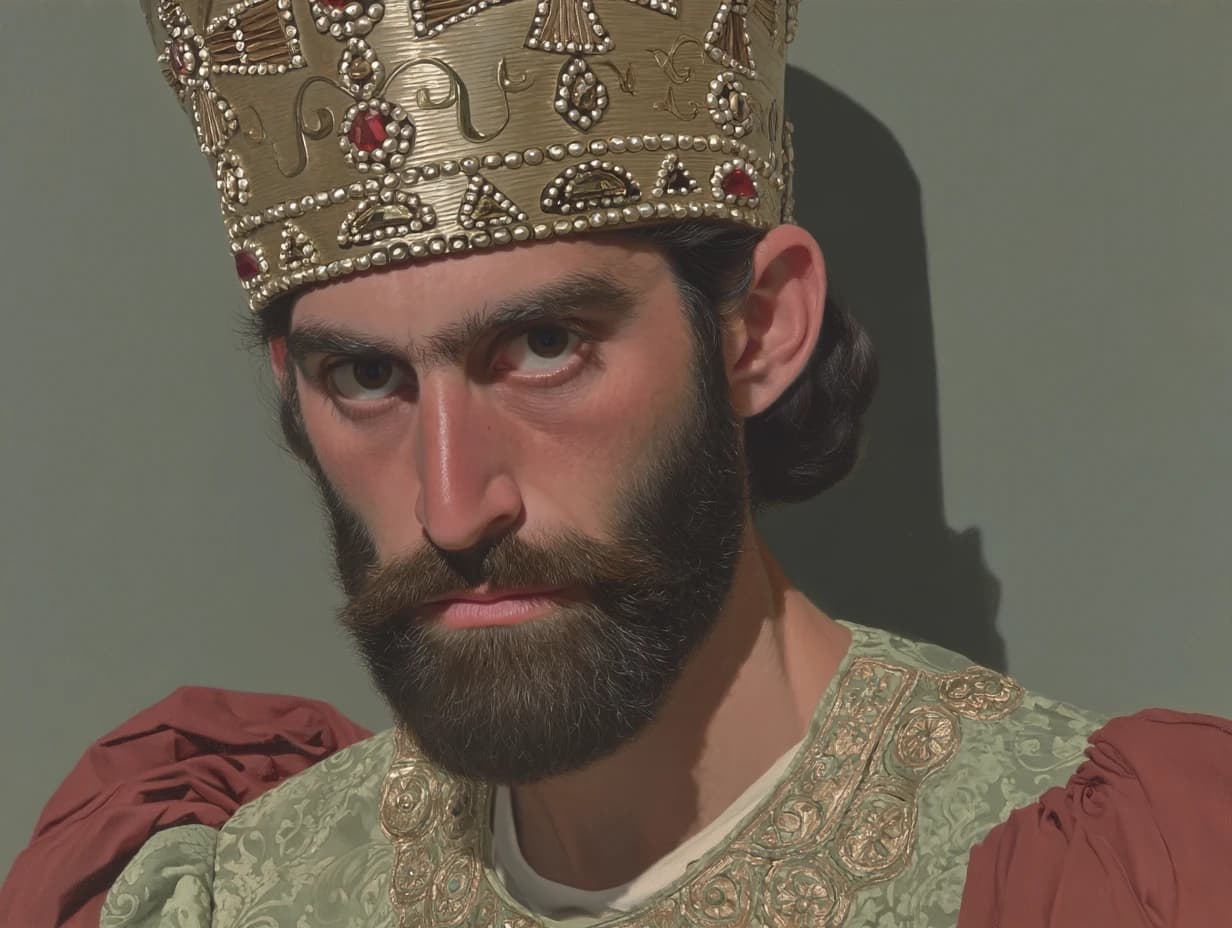
The fourth King of Kings of the Persian Achaemenid Empire.
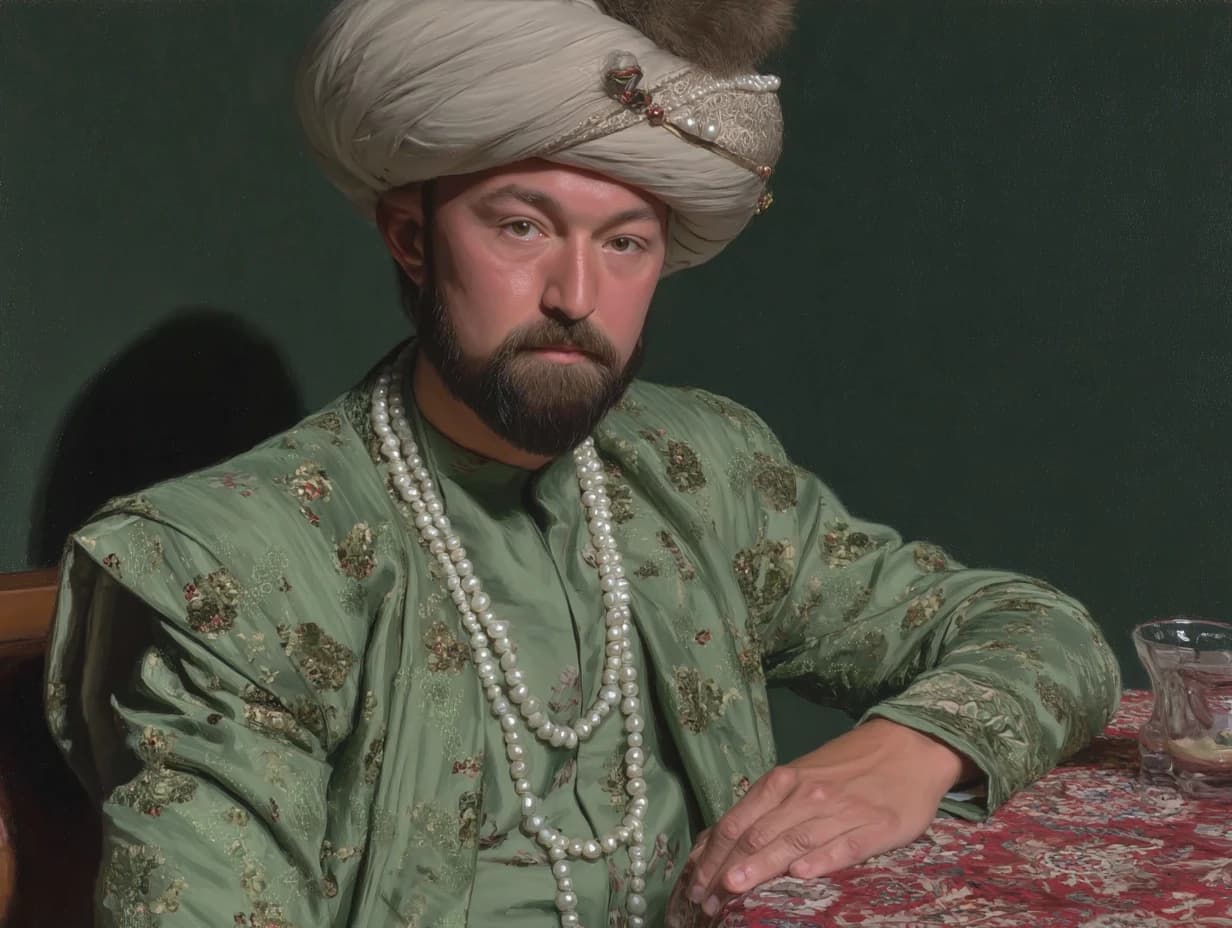
The founder and first Emperor of the Mughal Empire.
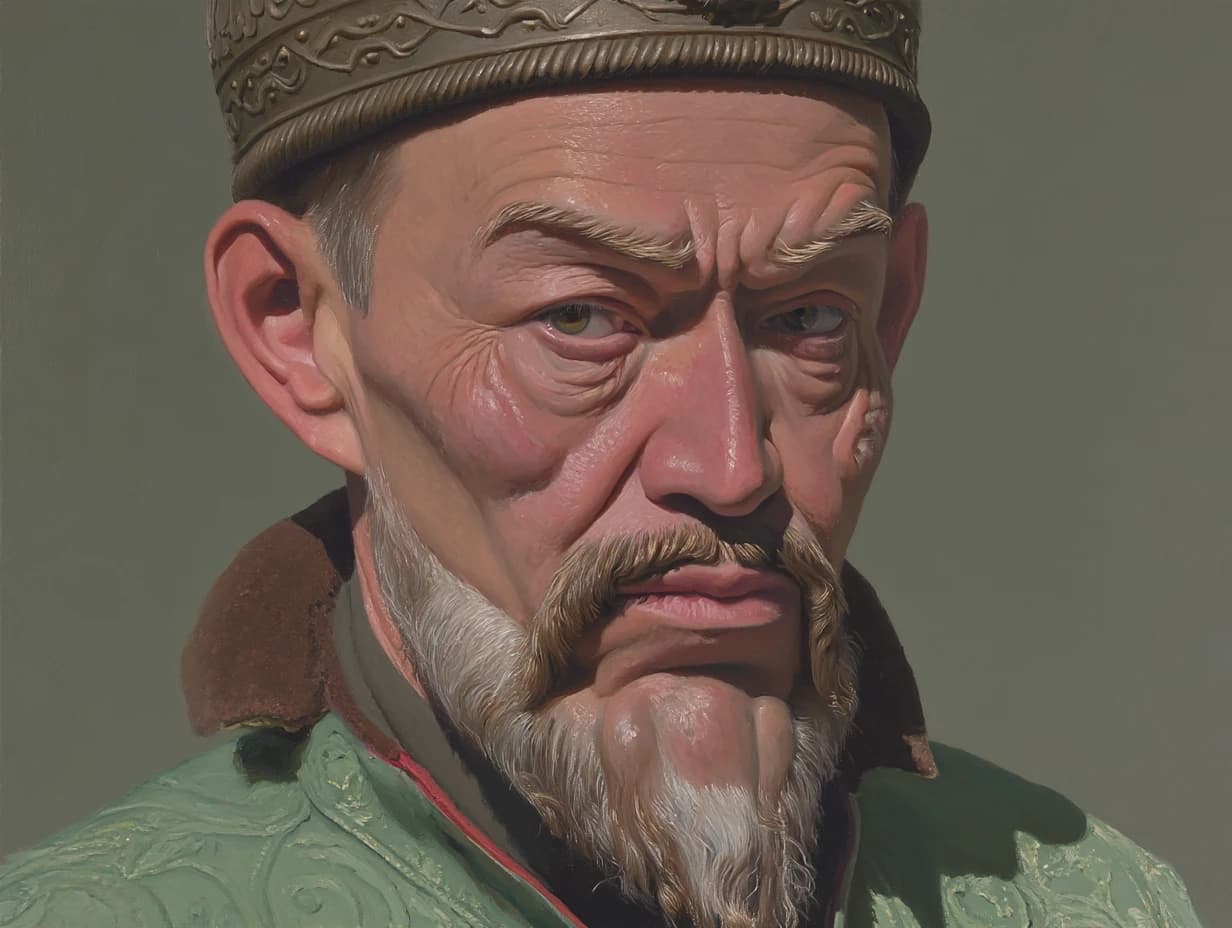
The founder of the Timurid Empire and military conqueror.
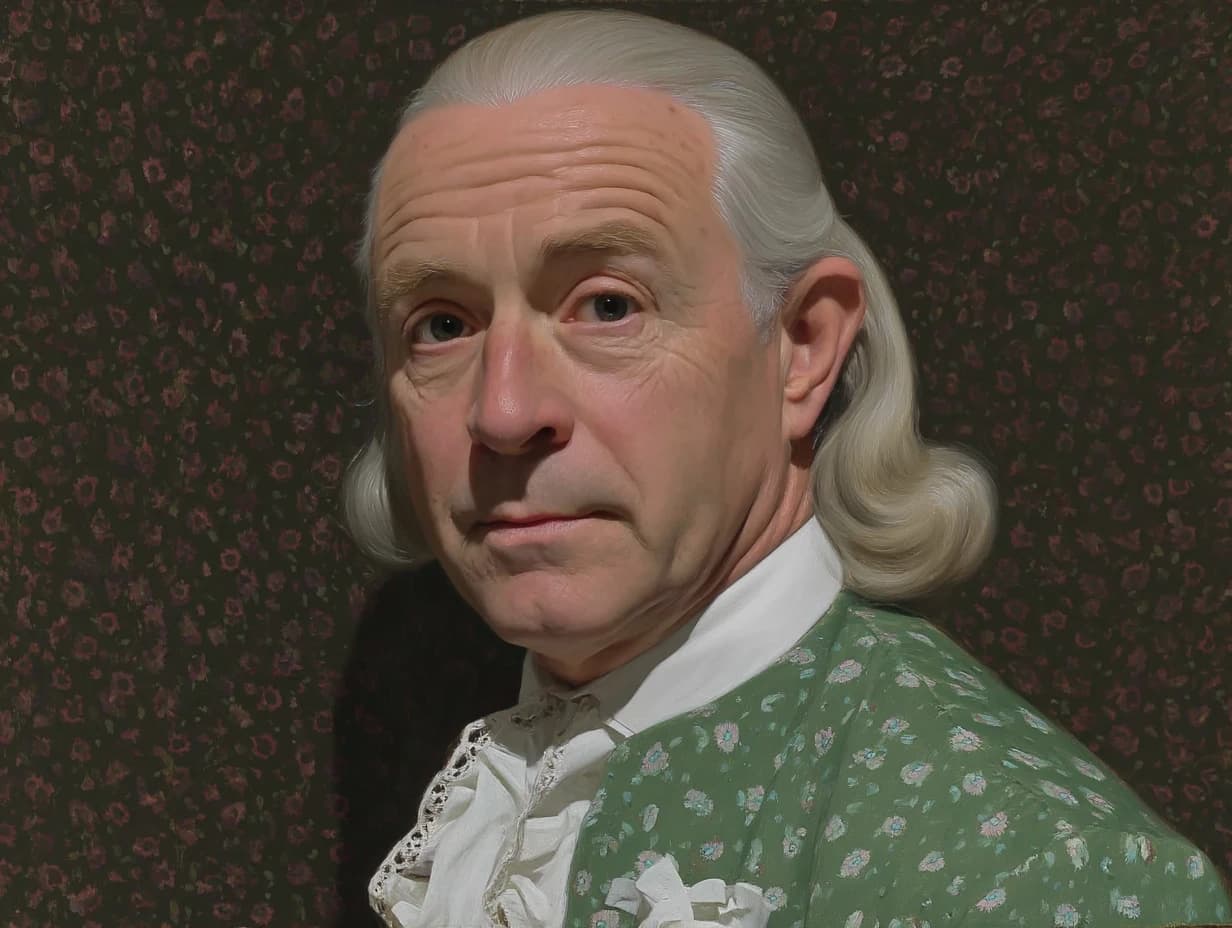
The Swedish botanist, zoologist, and physician who created modern taxonomy.
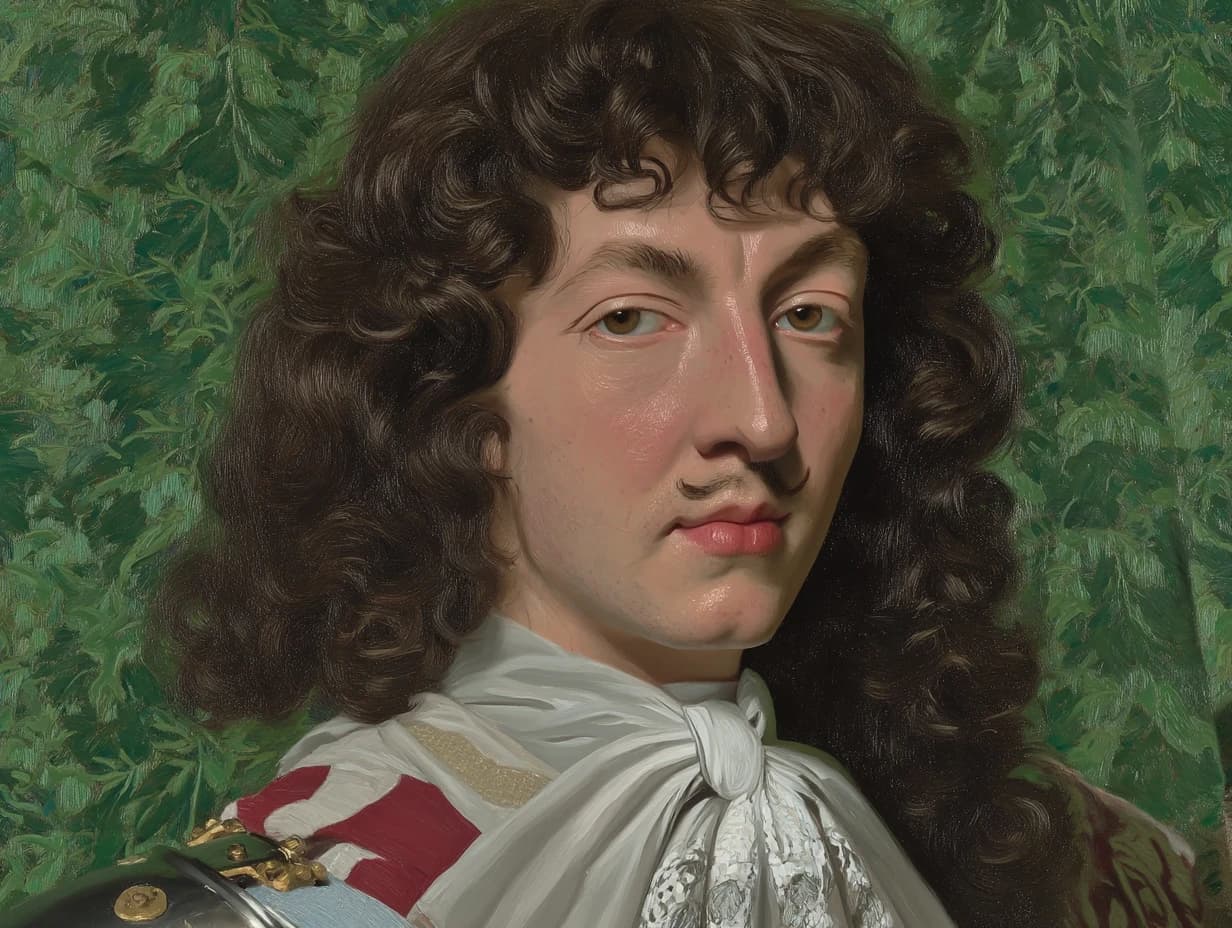
The King of France, longest-reigning monarch in sovereign history.
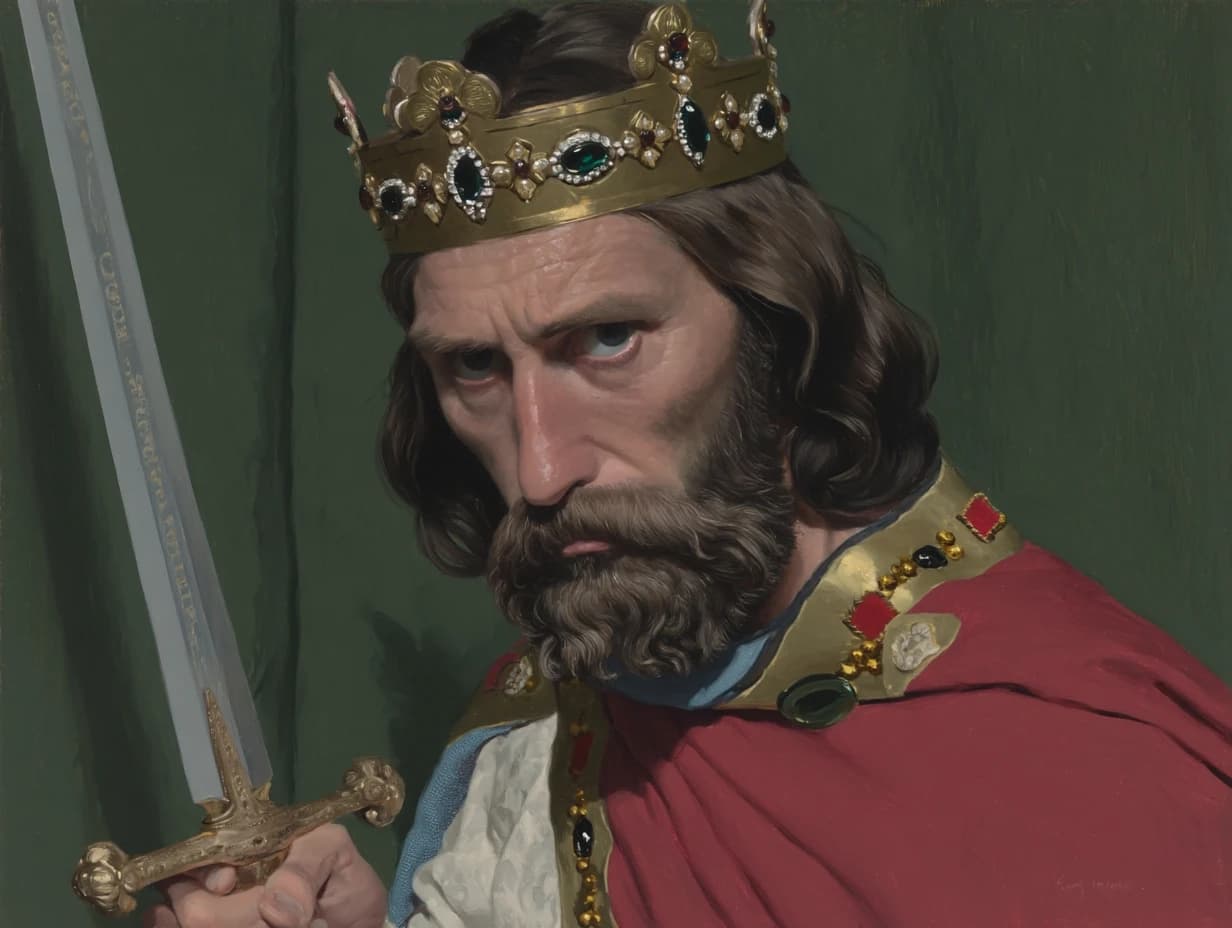
The King of the Franks and Lombards, and Emperor of the Romans.
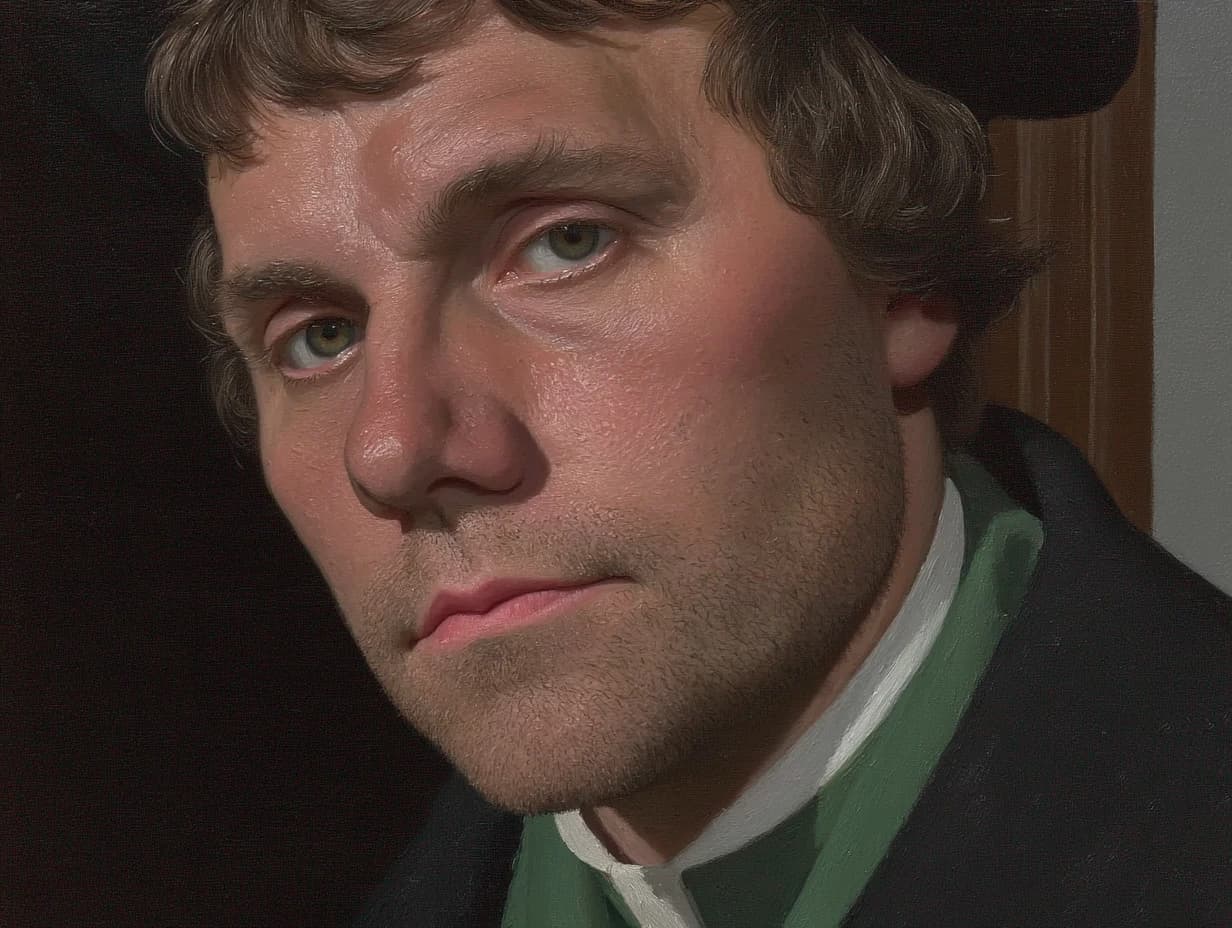
The German priest, theologian, and seminal figure in the Protestant Reformation.
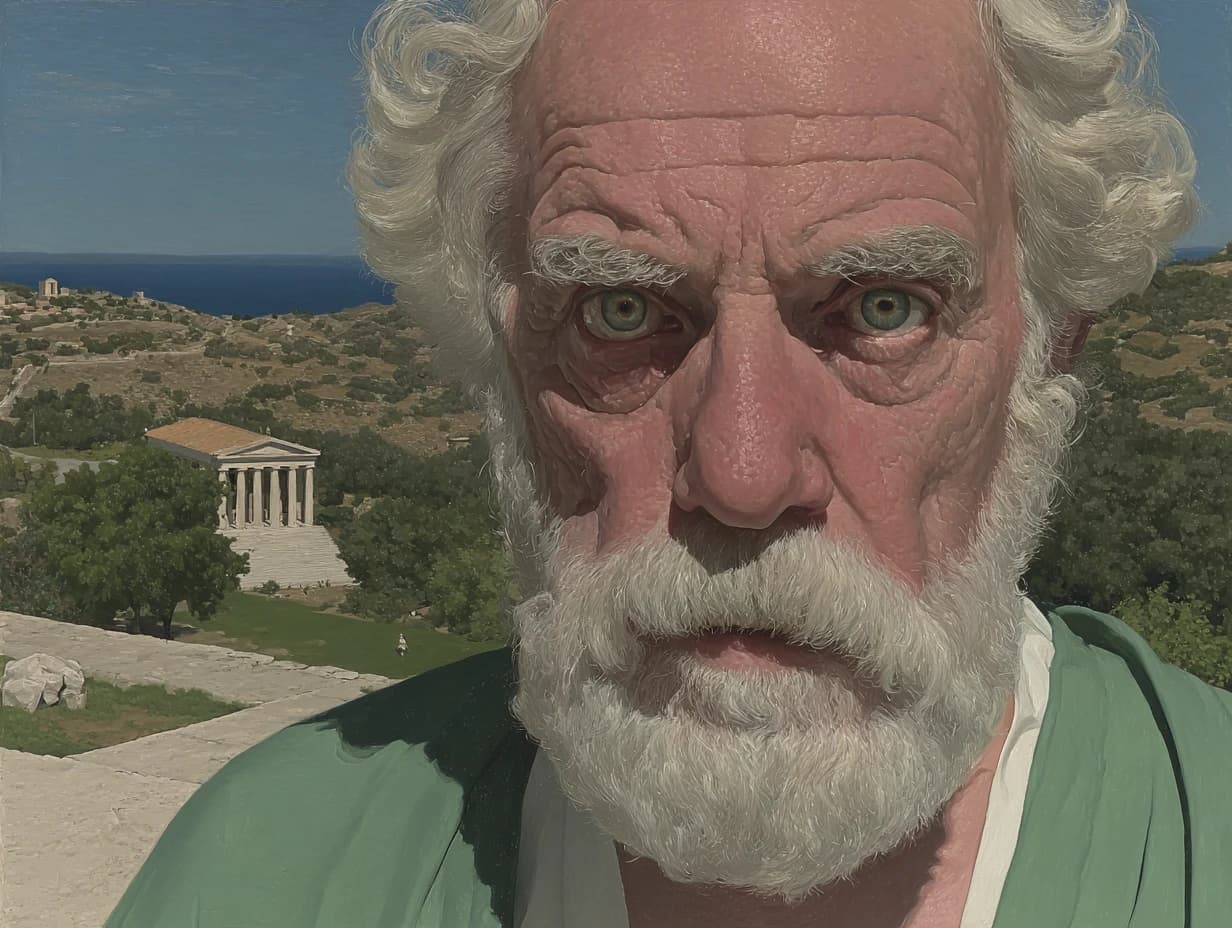
The sky and thunder God in Greek mythology and King of Mount Olympus.
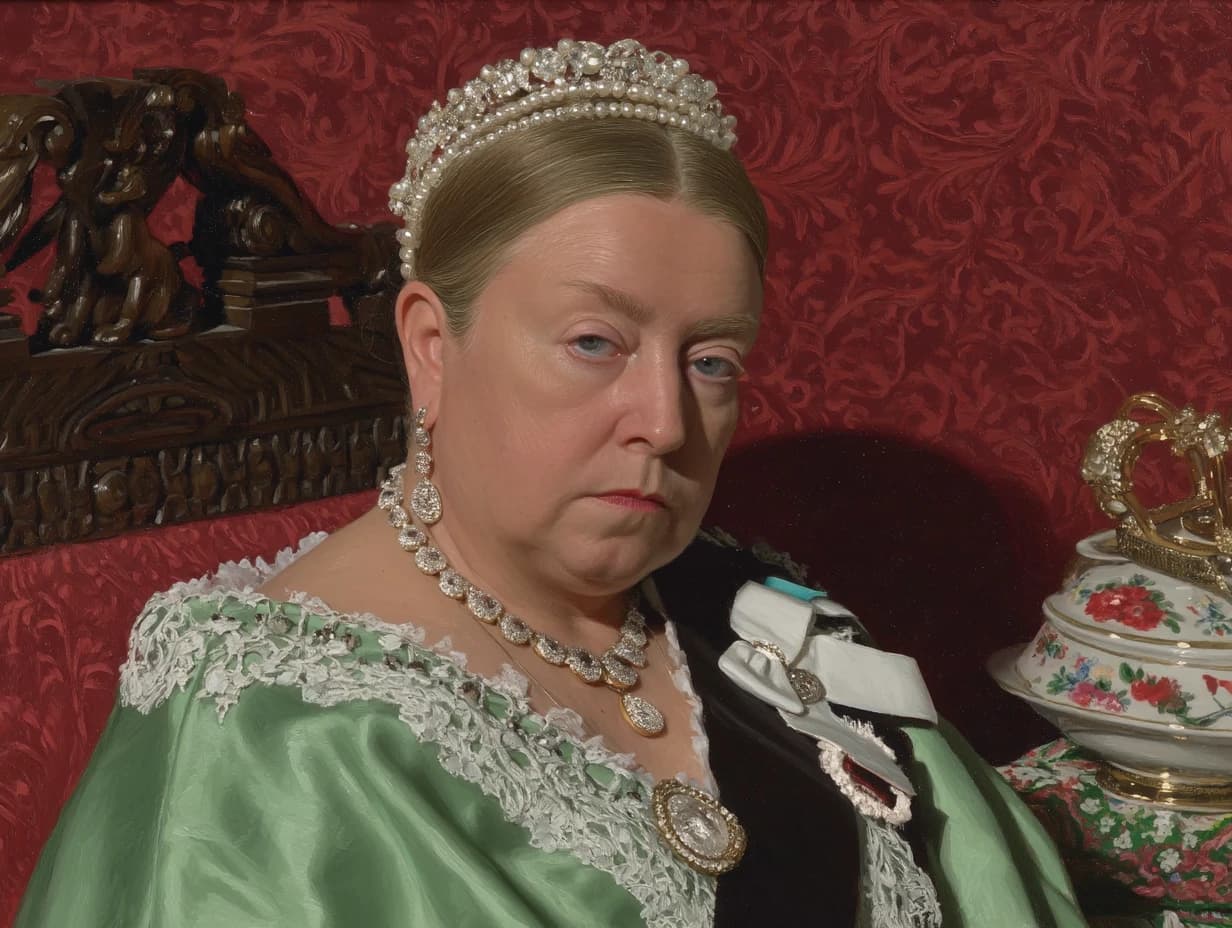
The Queen of the United Kingdom and Empress of India.
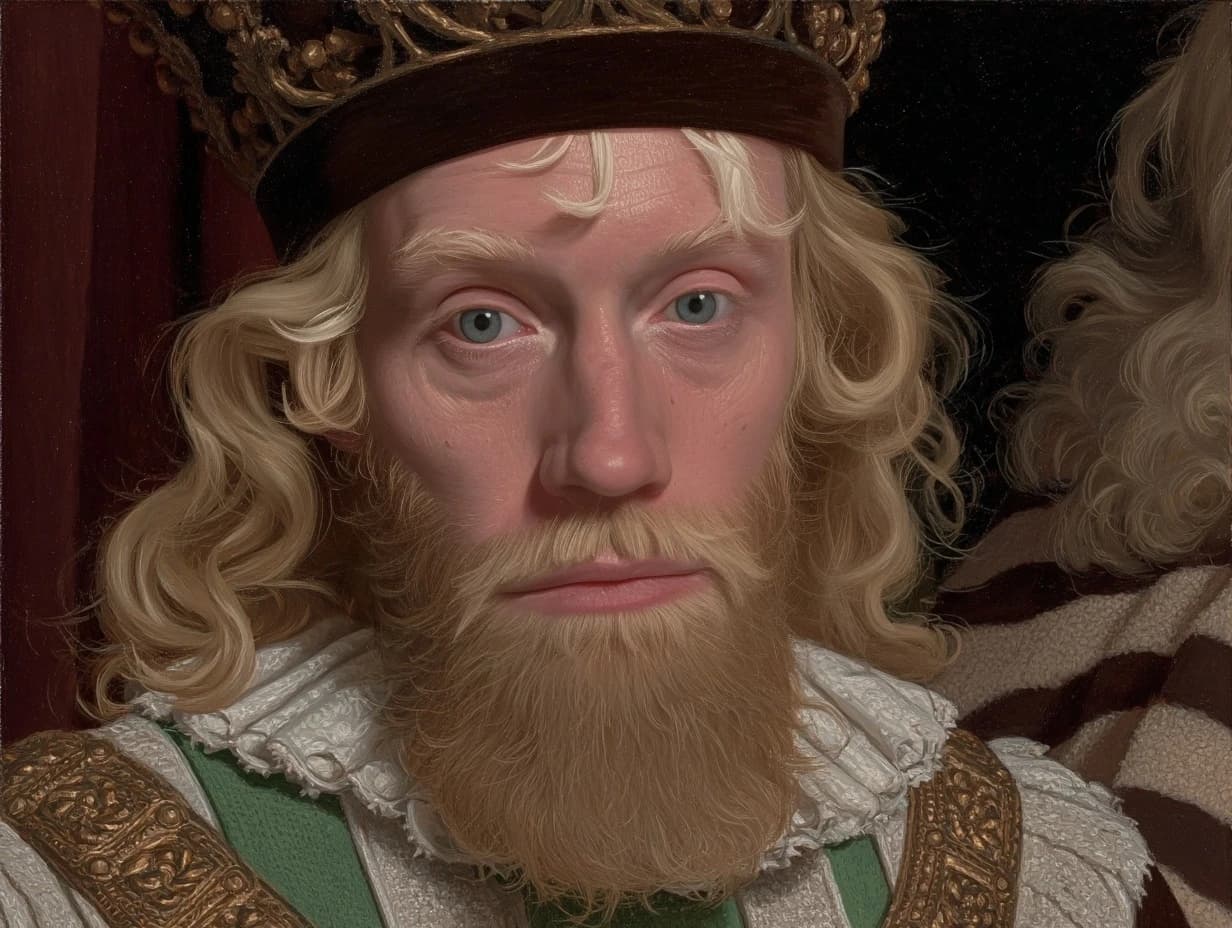
The Norse God of mischief, trickery, and shapeshifting.
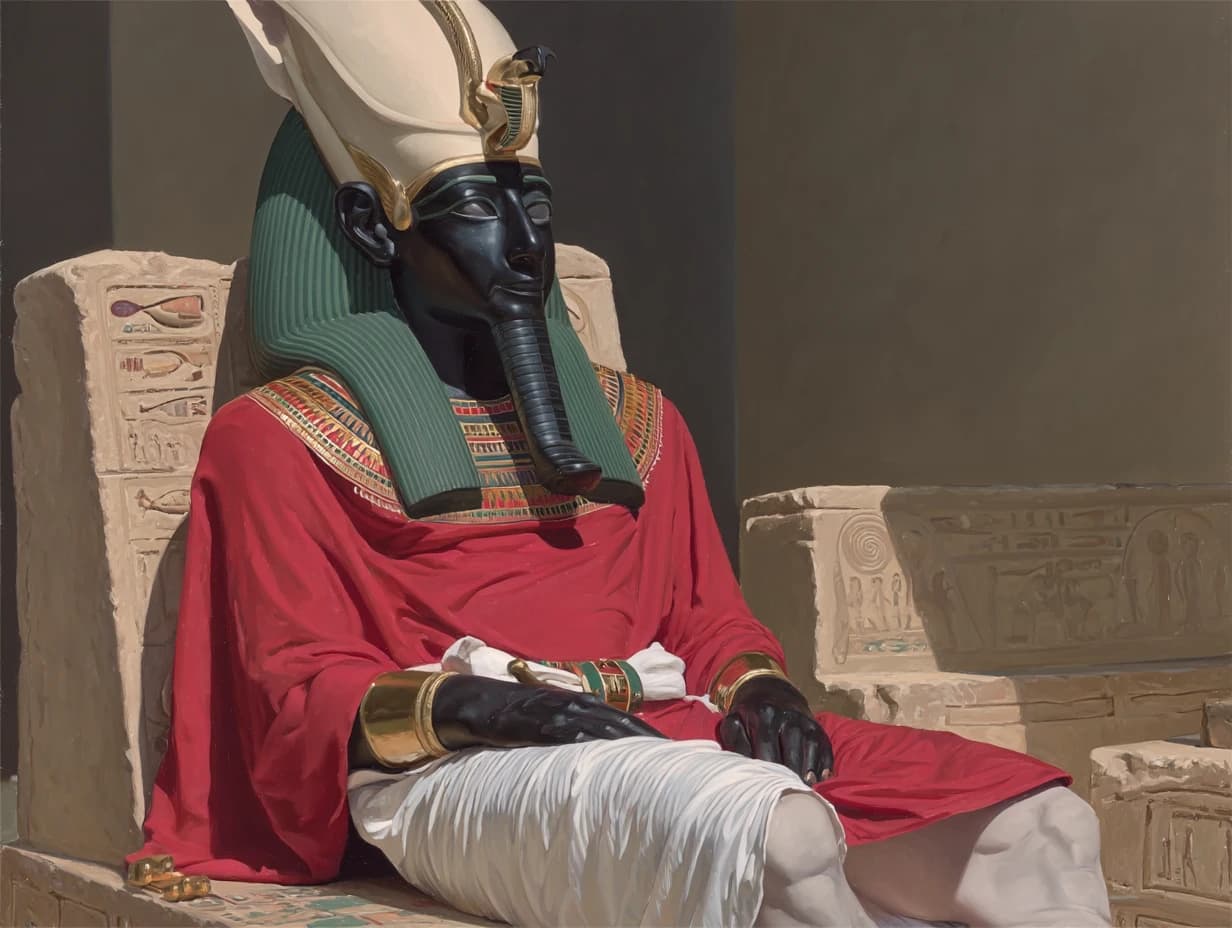
The Ancient Egyptian God of the afterlife and the underworld.
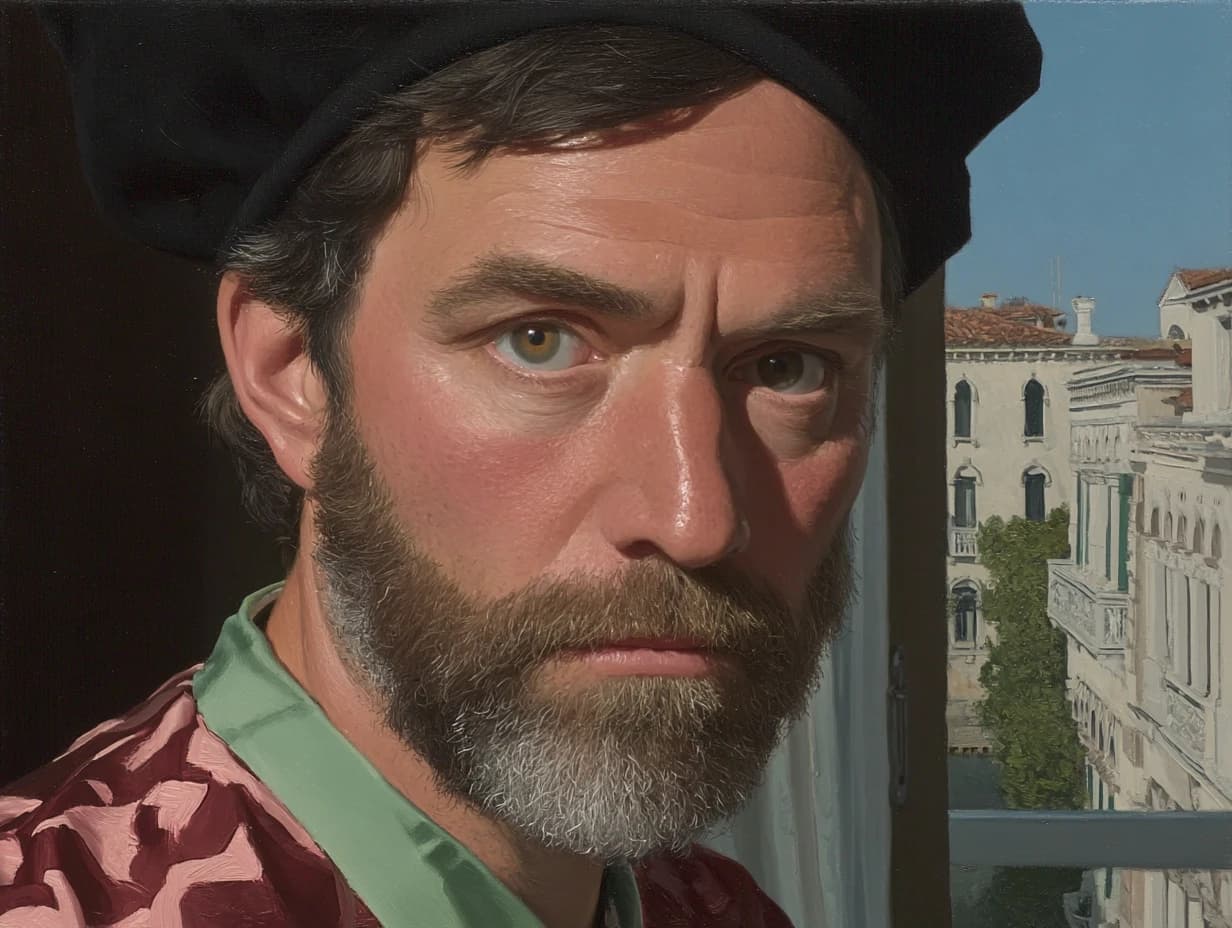
The Venetian merchant traveler and explorer along the Silk Road.
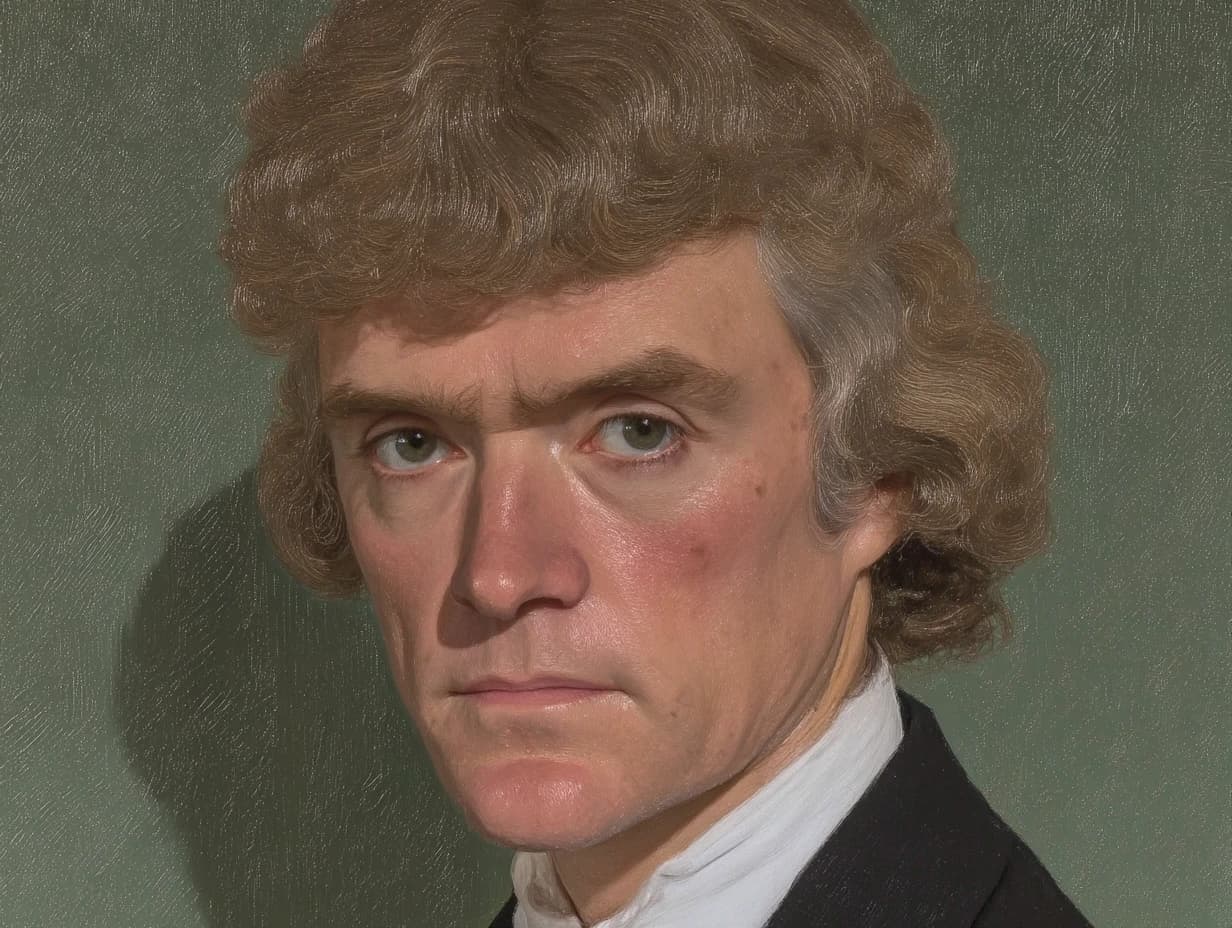
The 3rd U.S. President and principal author of the Declaration of Independence.
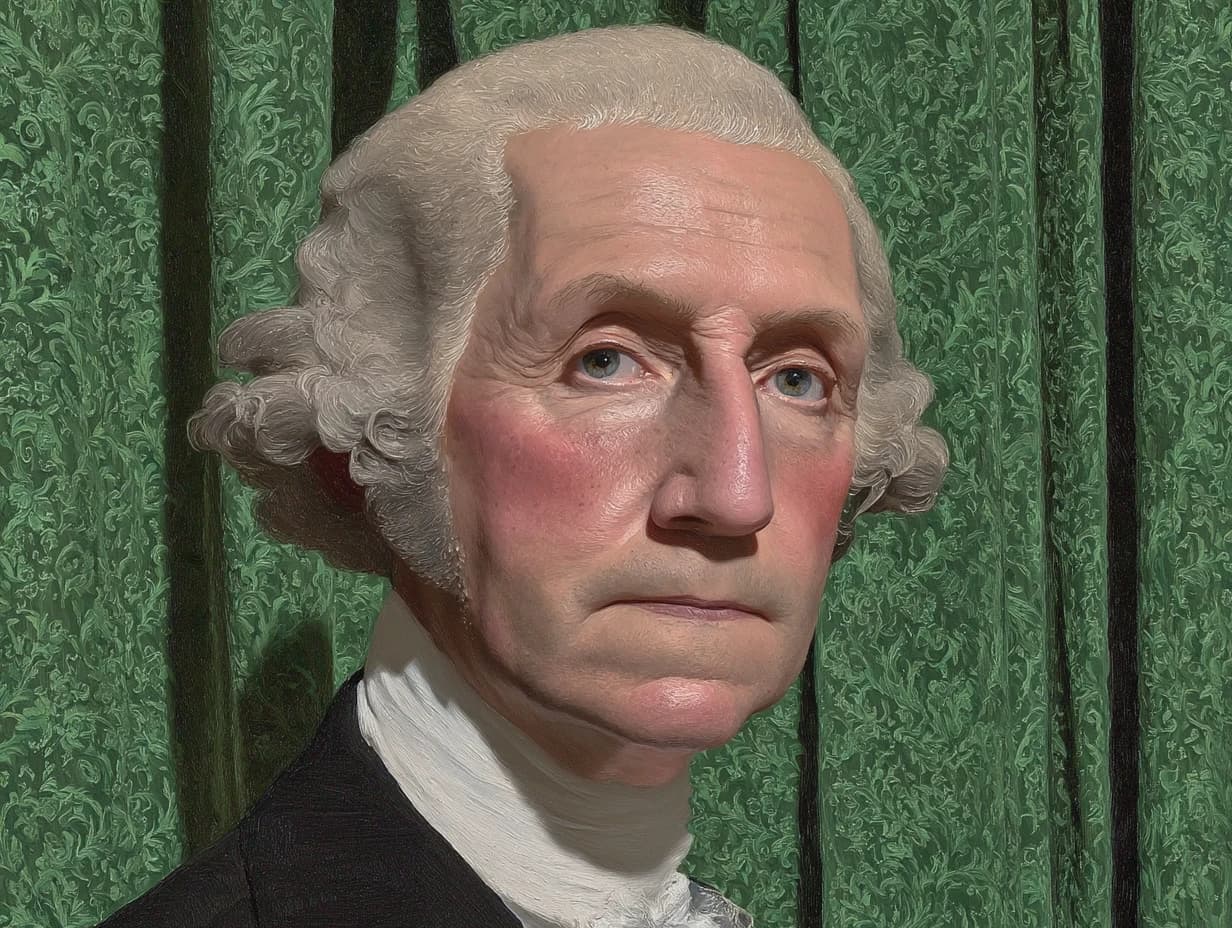
The 1st President of the United States and Founding Father.
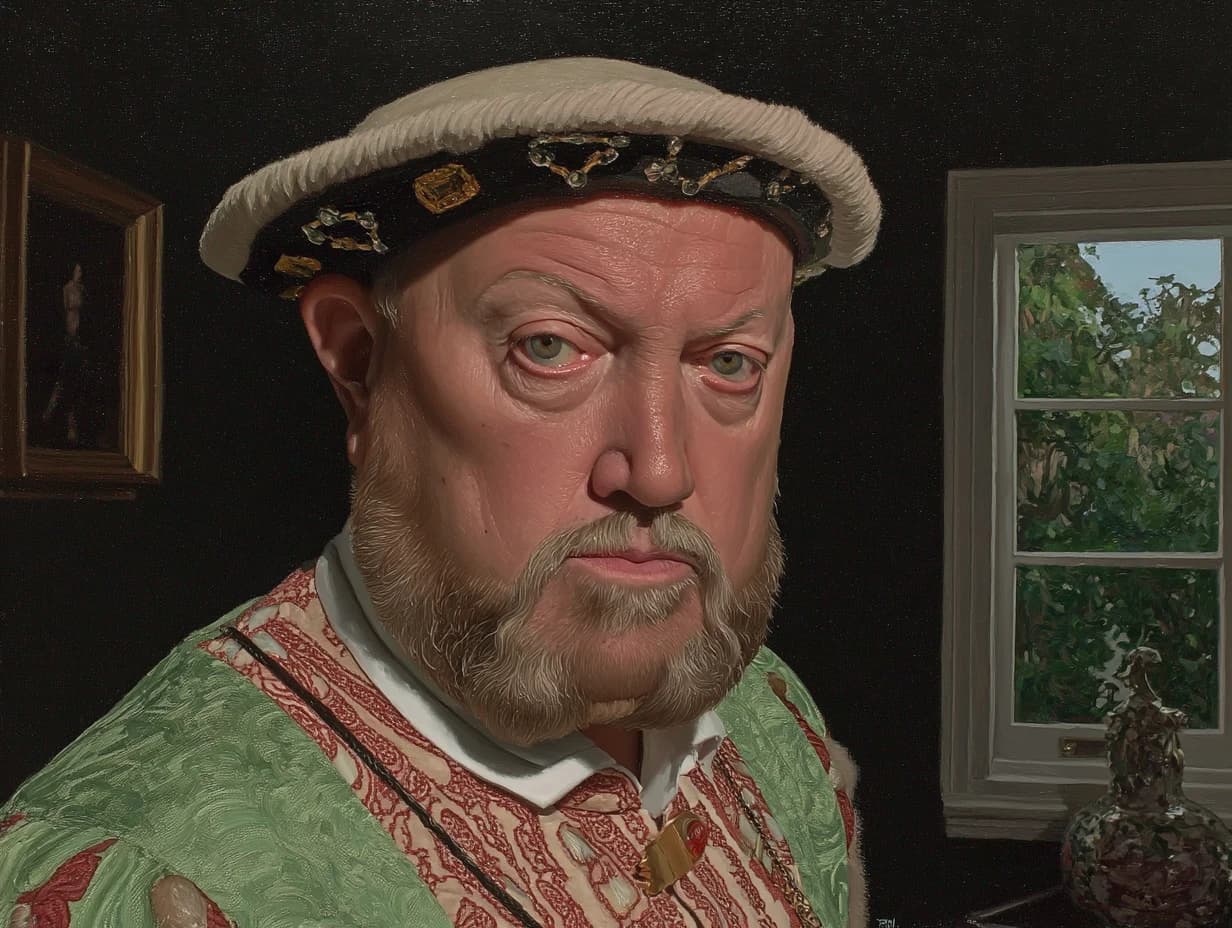
The King of England and founder of the Church of England.
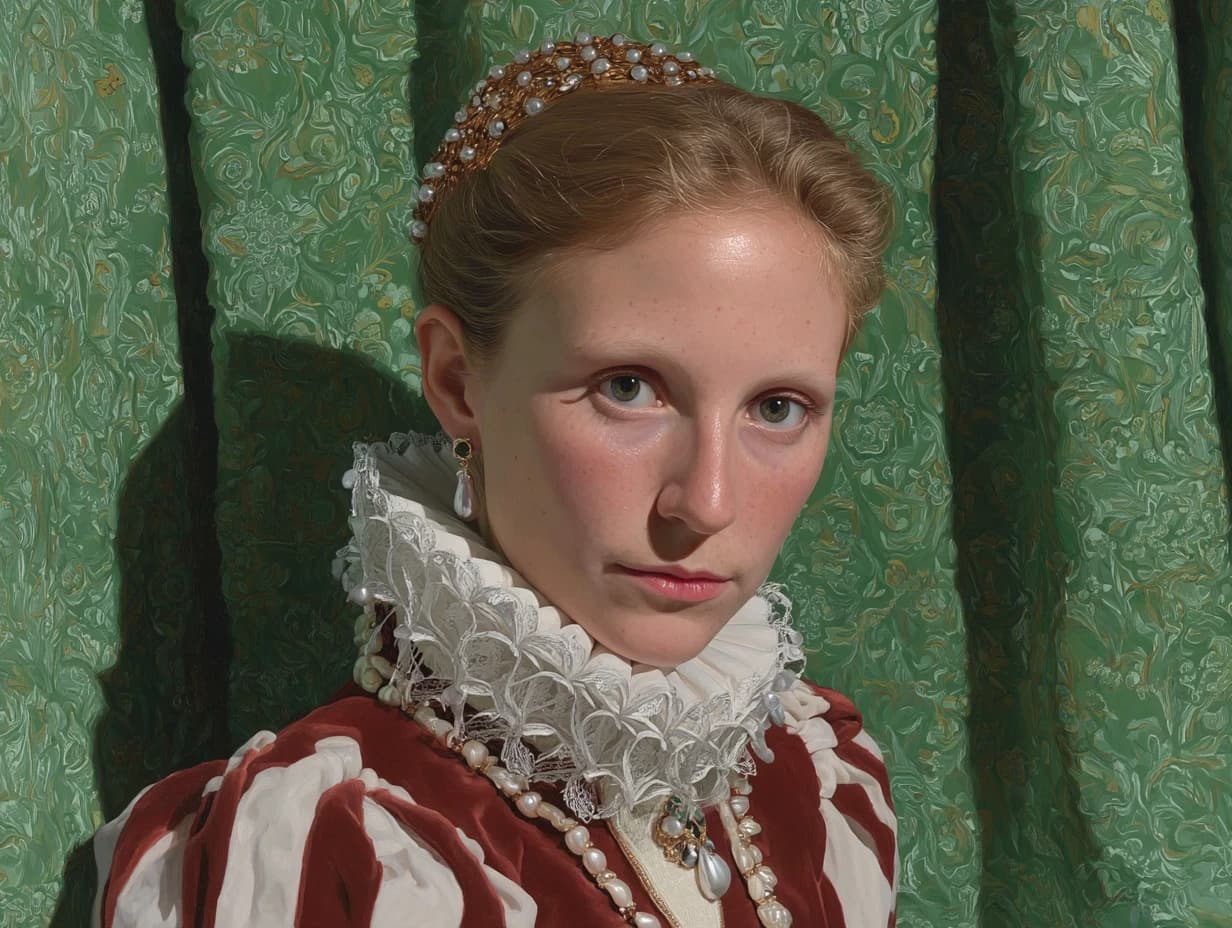
The Queen of England and Ireland (Tudor dynasty).
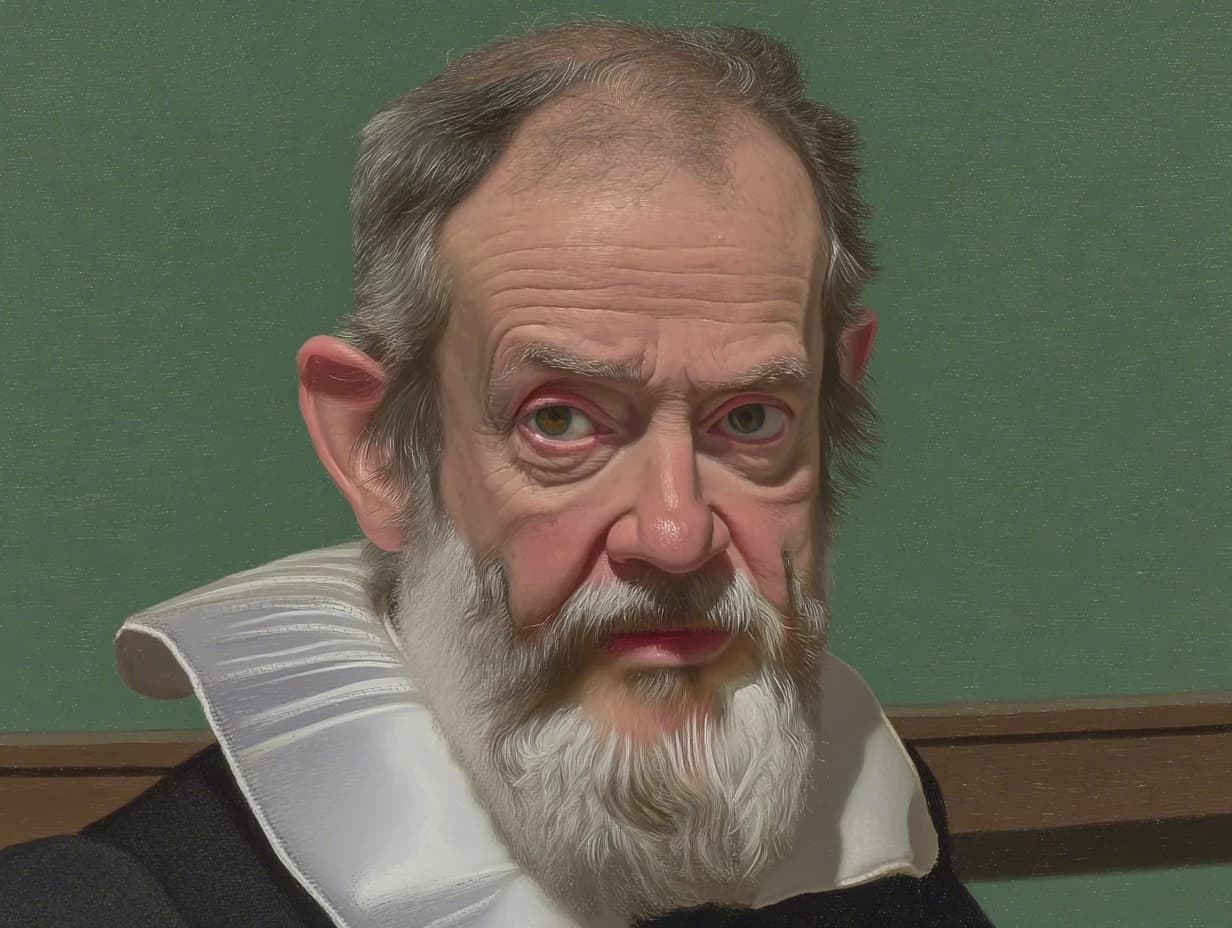
The Italian astronomer, physicist, and engineer.
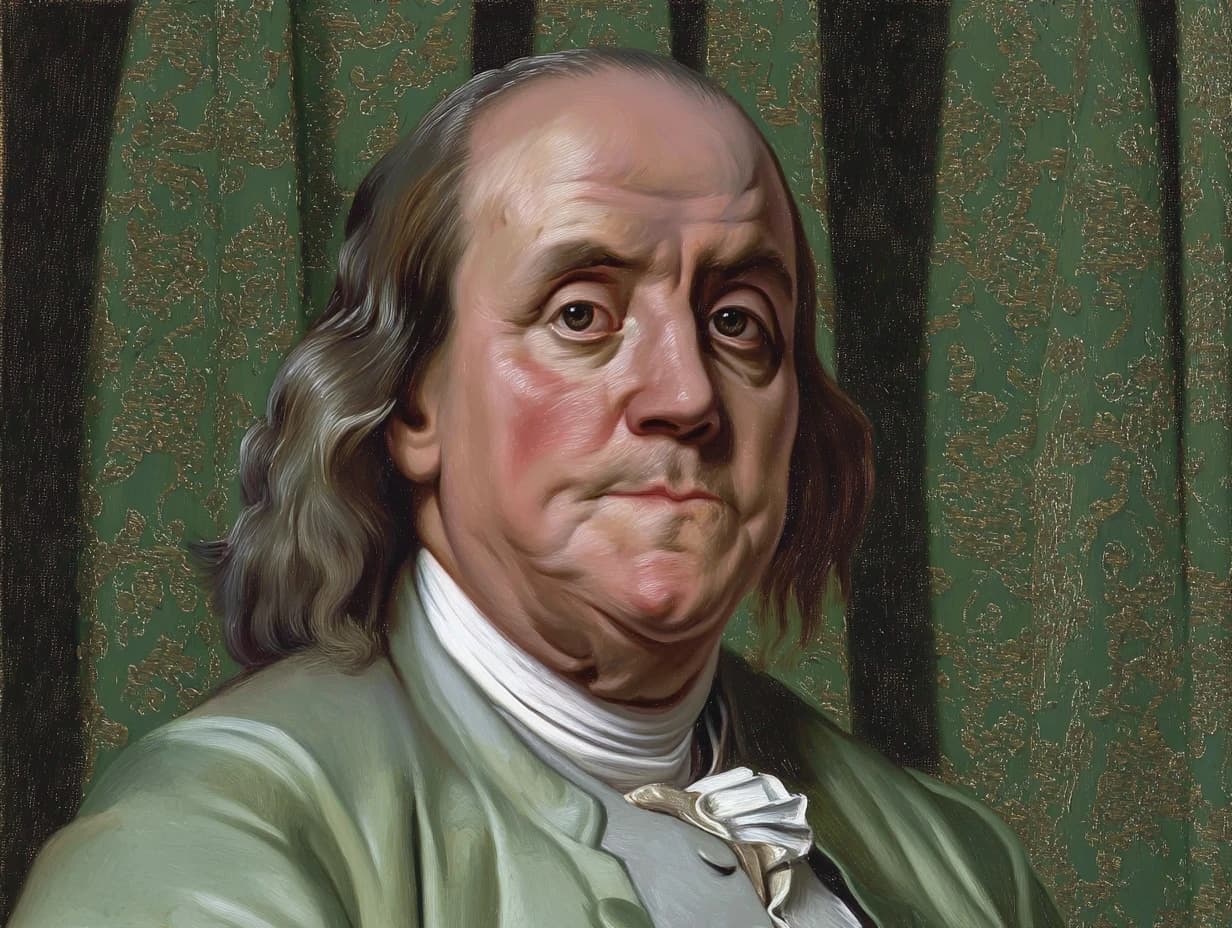
The American scientist, writer, diplomat, and Founding Father.
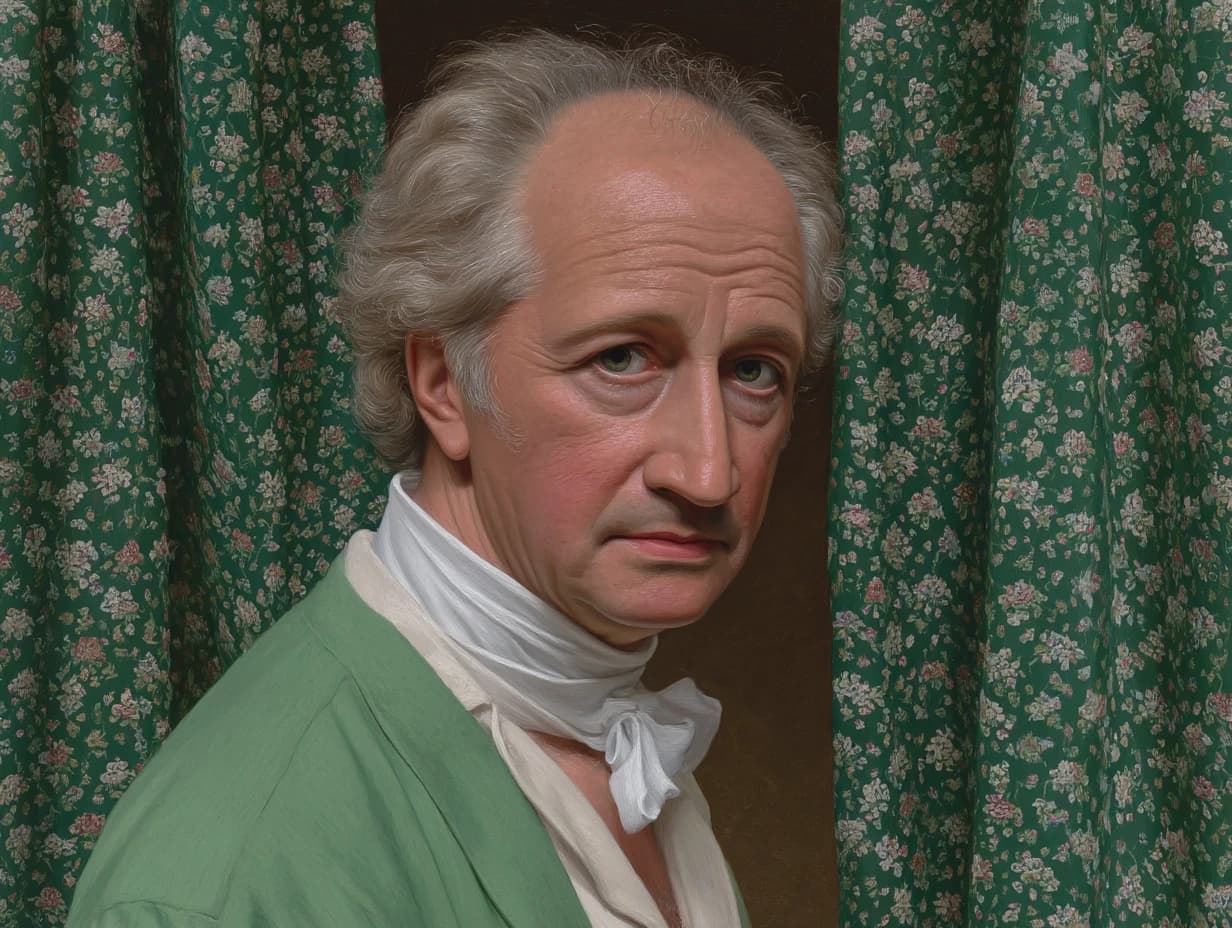
The German poet, playwright, novelist, and naturalist.
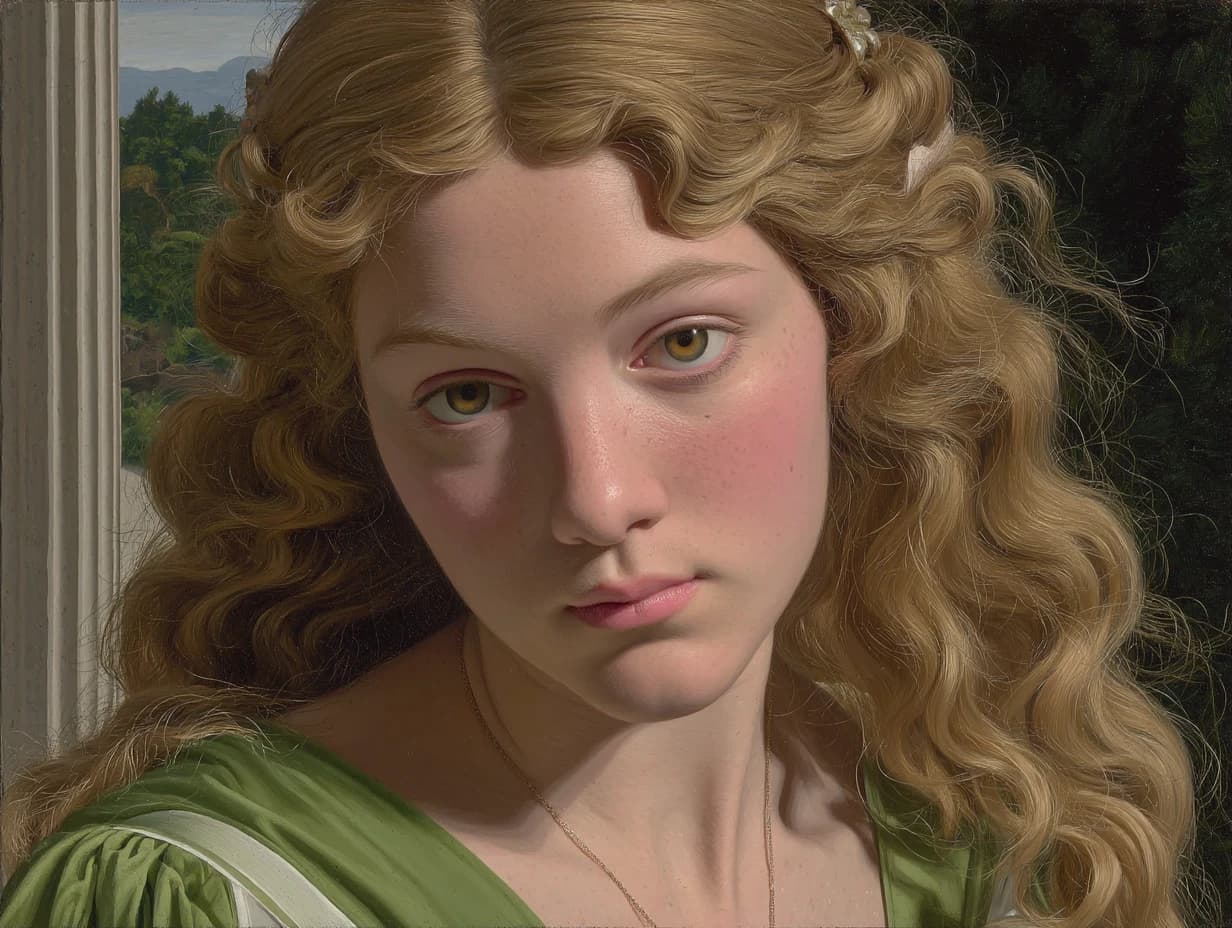
The Ancient Greek Goddess of love and beauty.
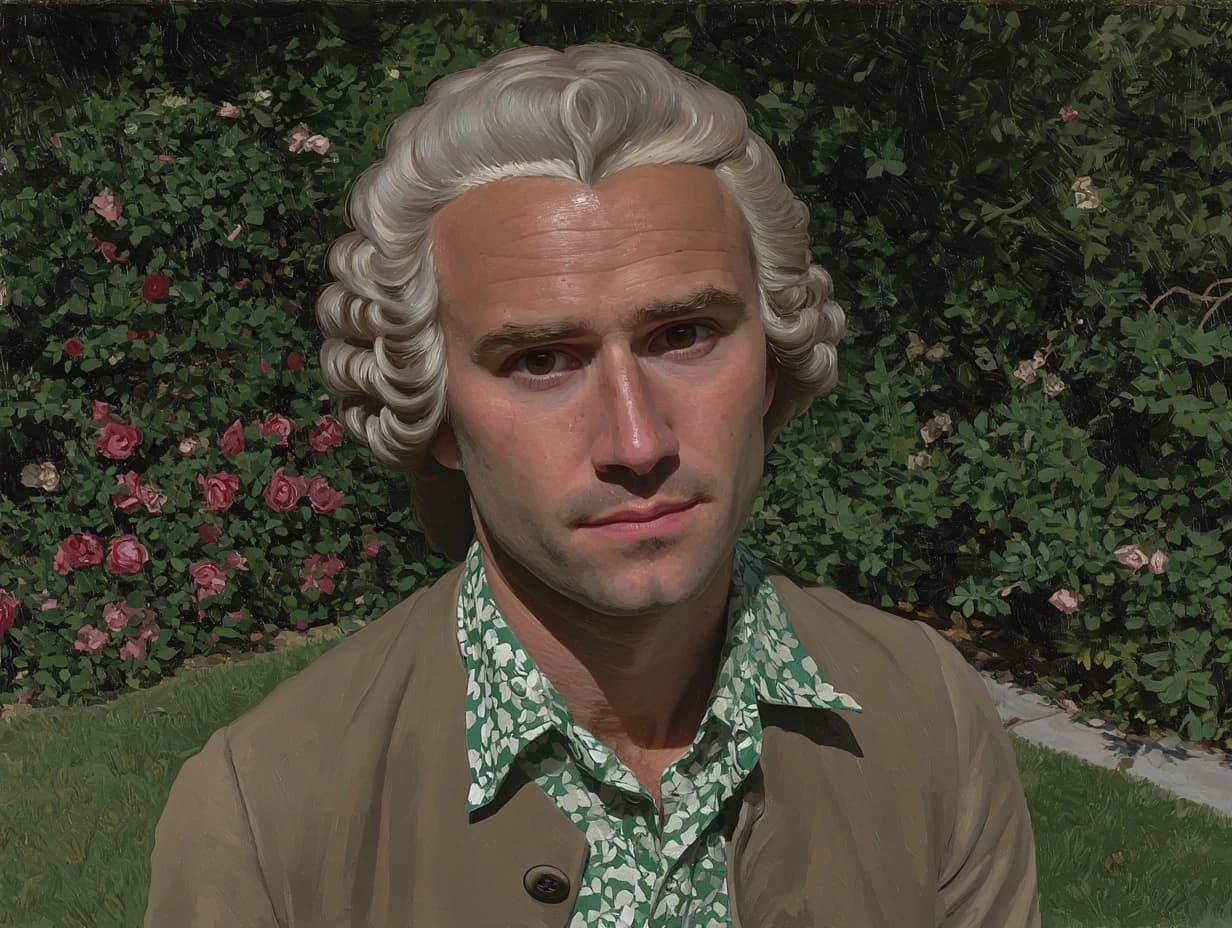
The Genevan philosopher, writer, and Enlightenment thinker.
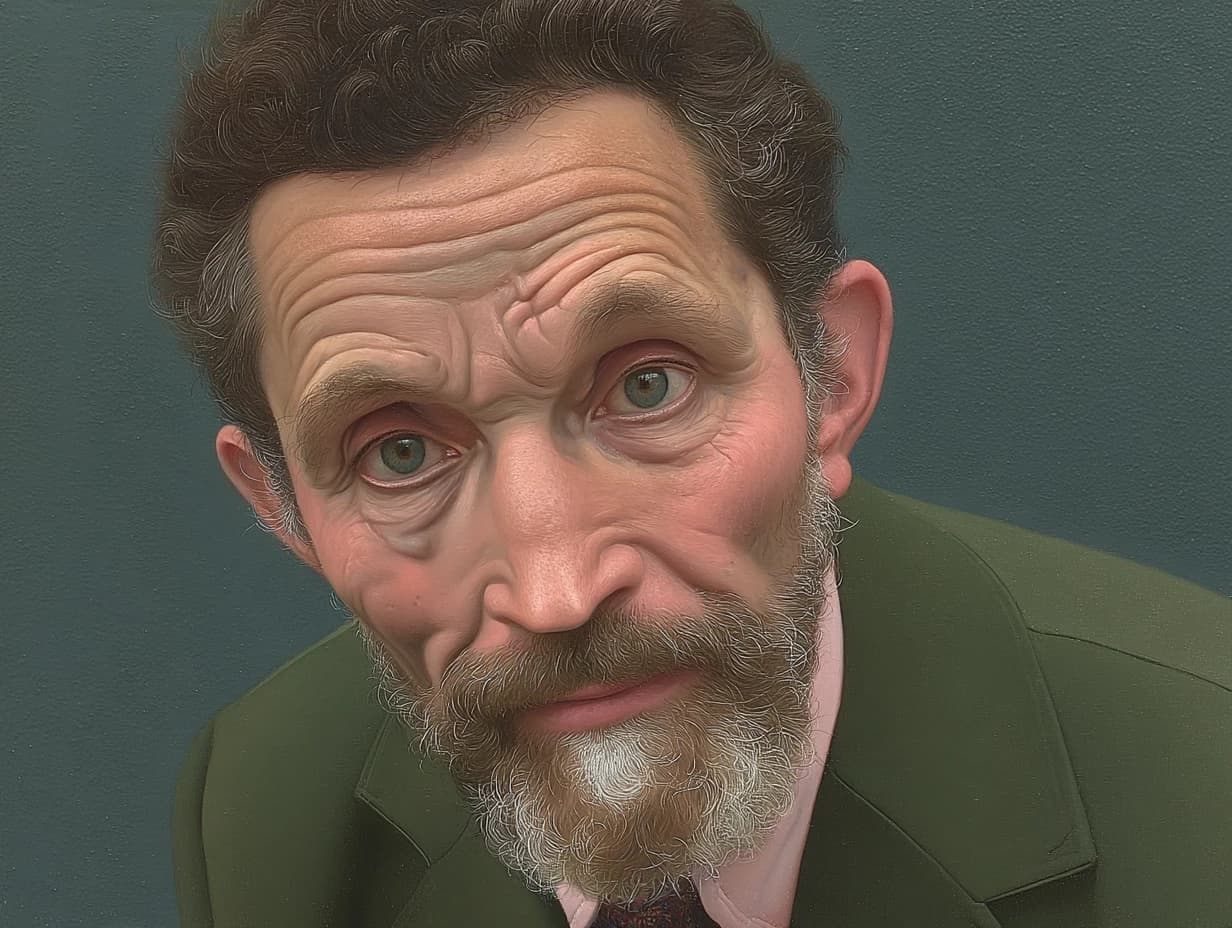
The Italian Renaissance sculptor, painter, and architect.
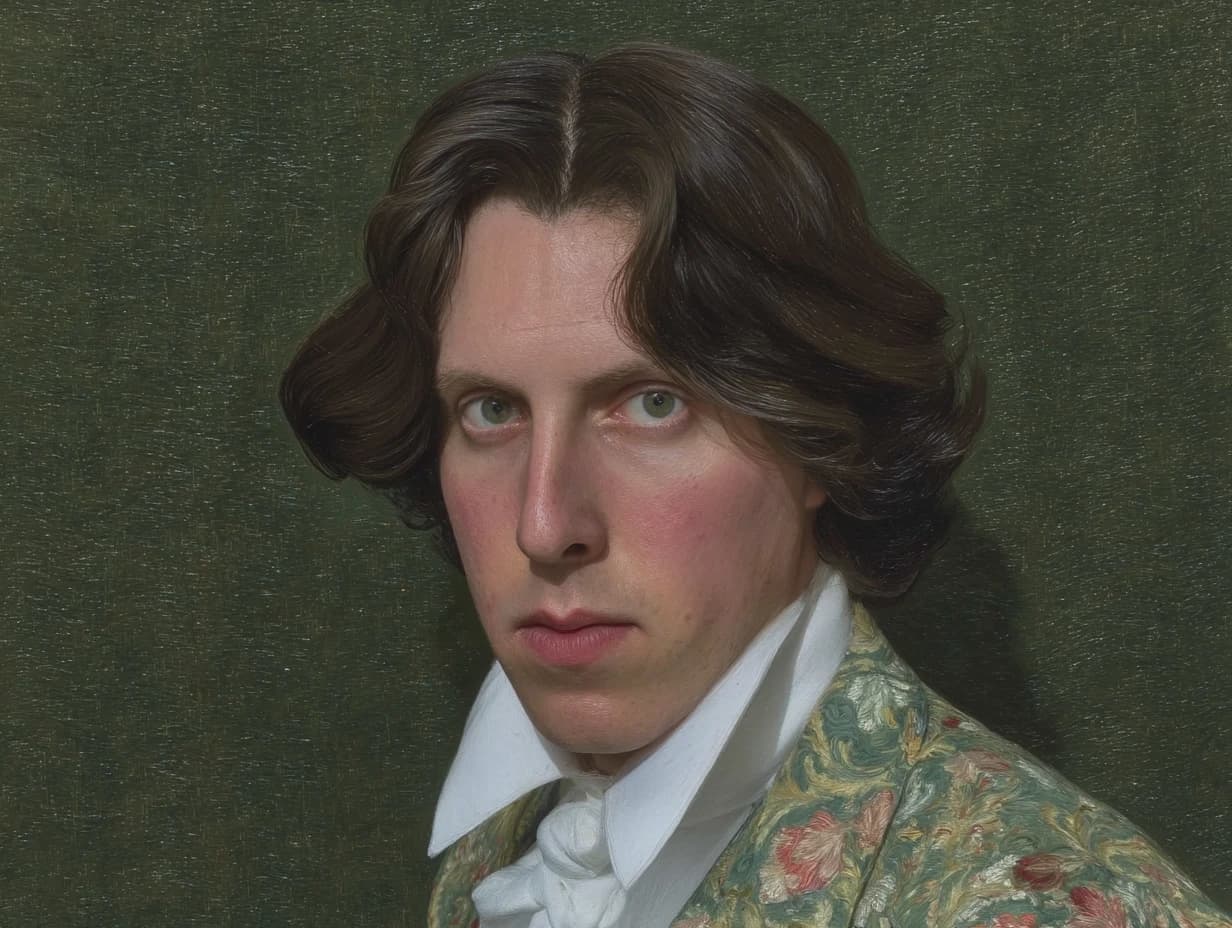
The Irish author, poet, and playwright.
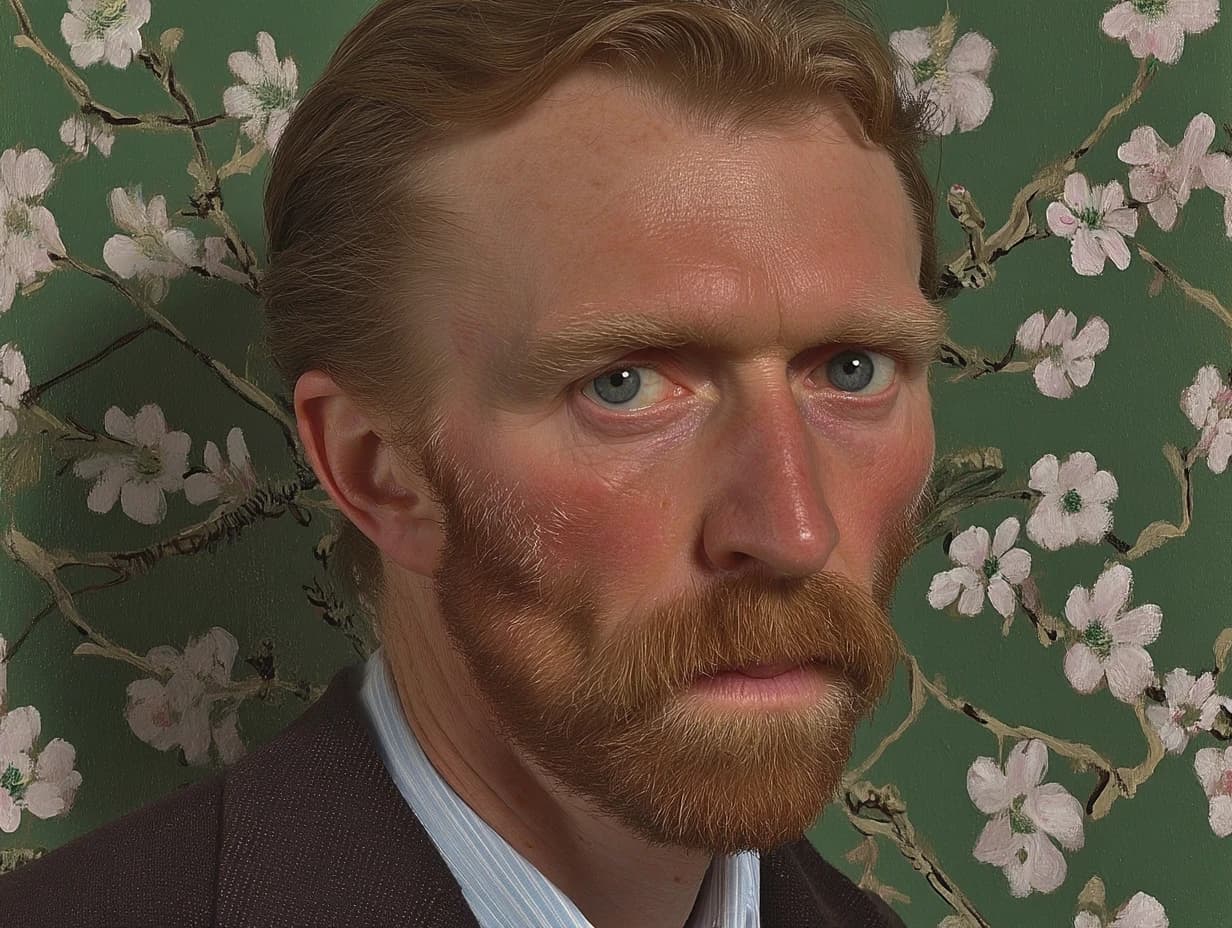
The famous Dutch Post-Impressionist painter.
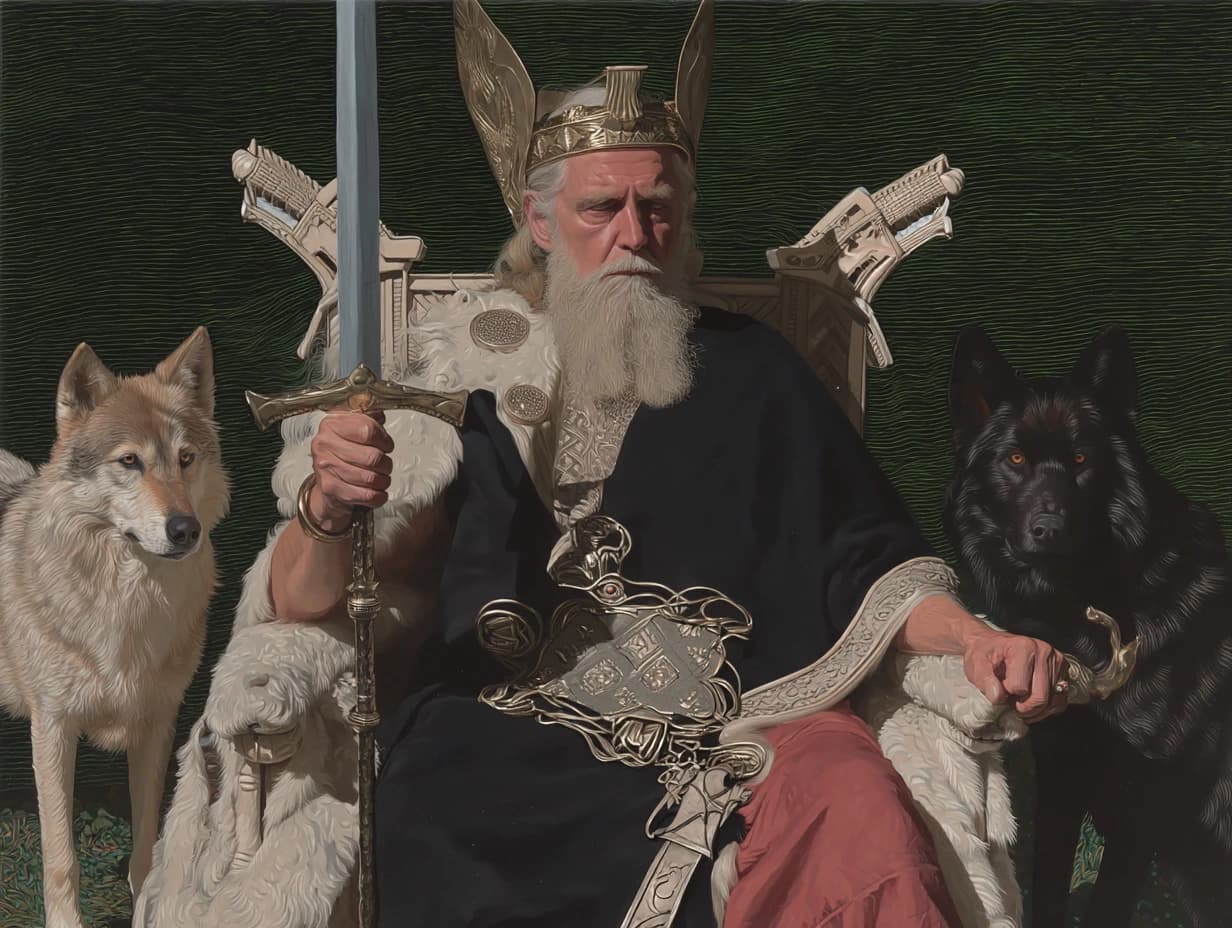
The Norse God of wisdom, war, and kingship.
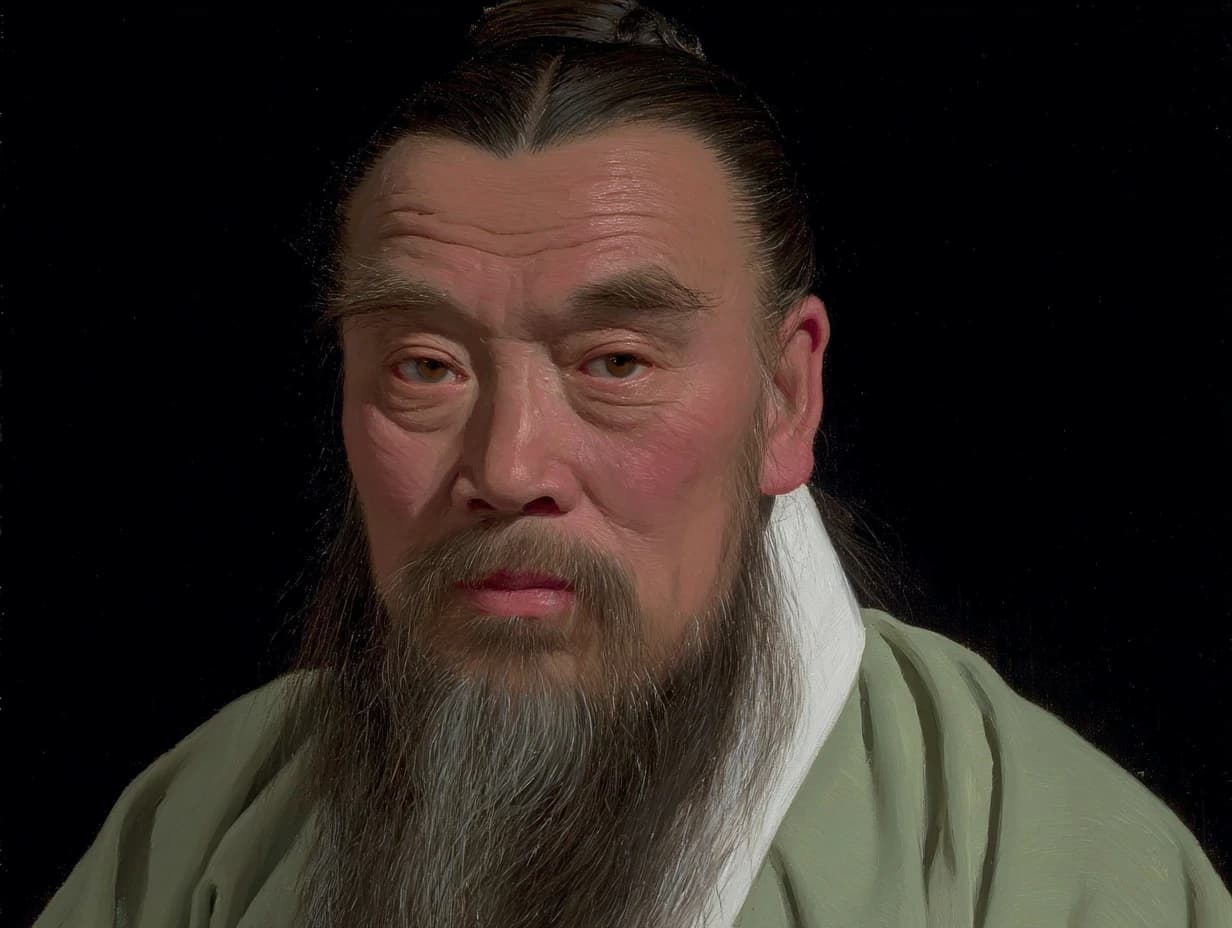
The Chinese philosopher and founder of Confucianism.
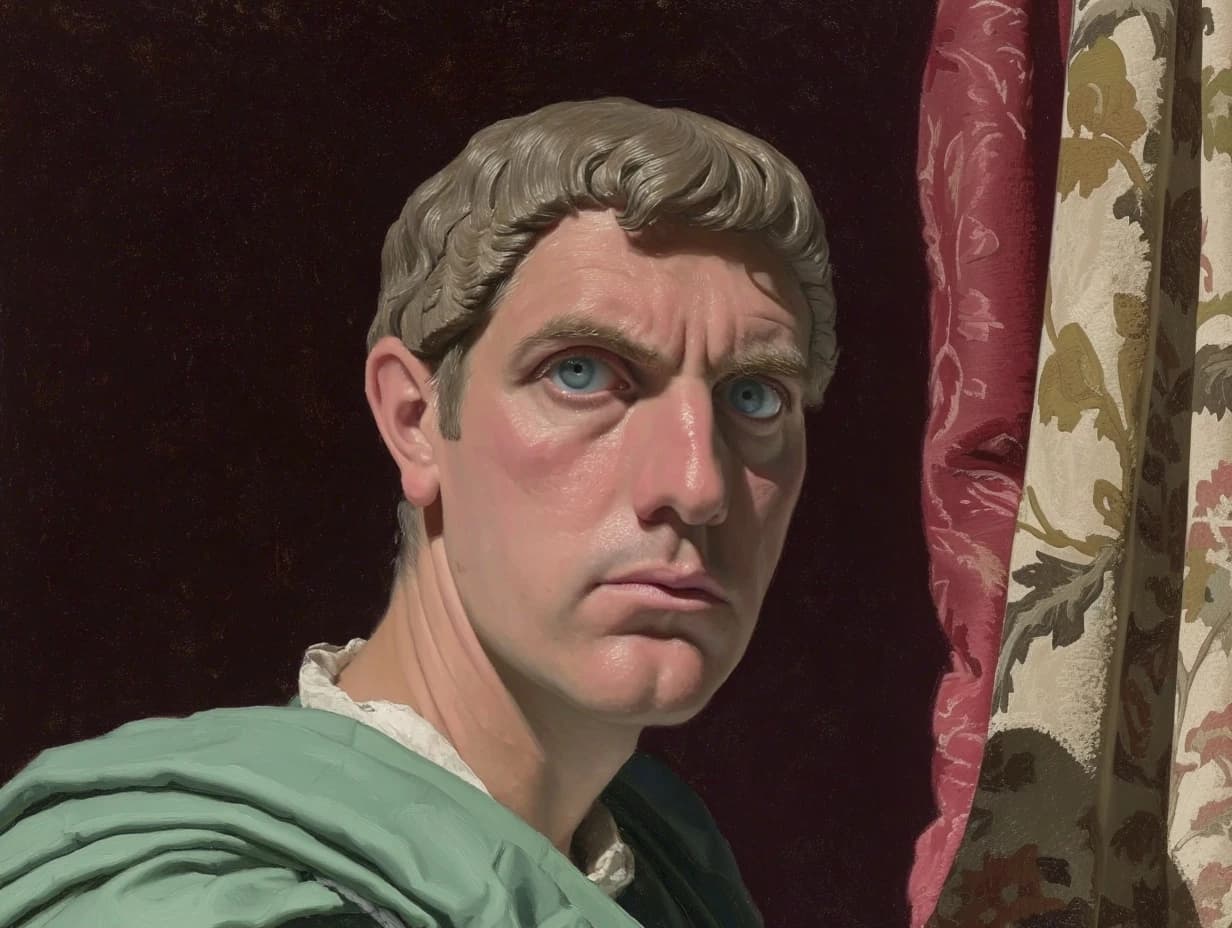
The first Roman Emperor to convert to Christianity.
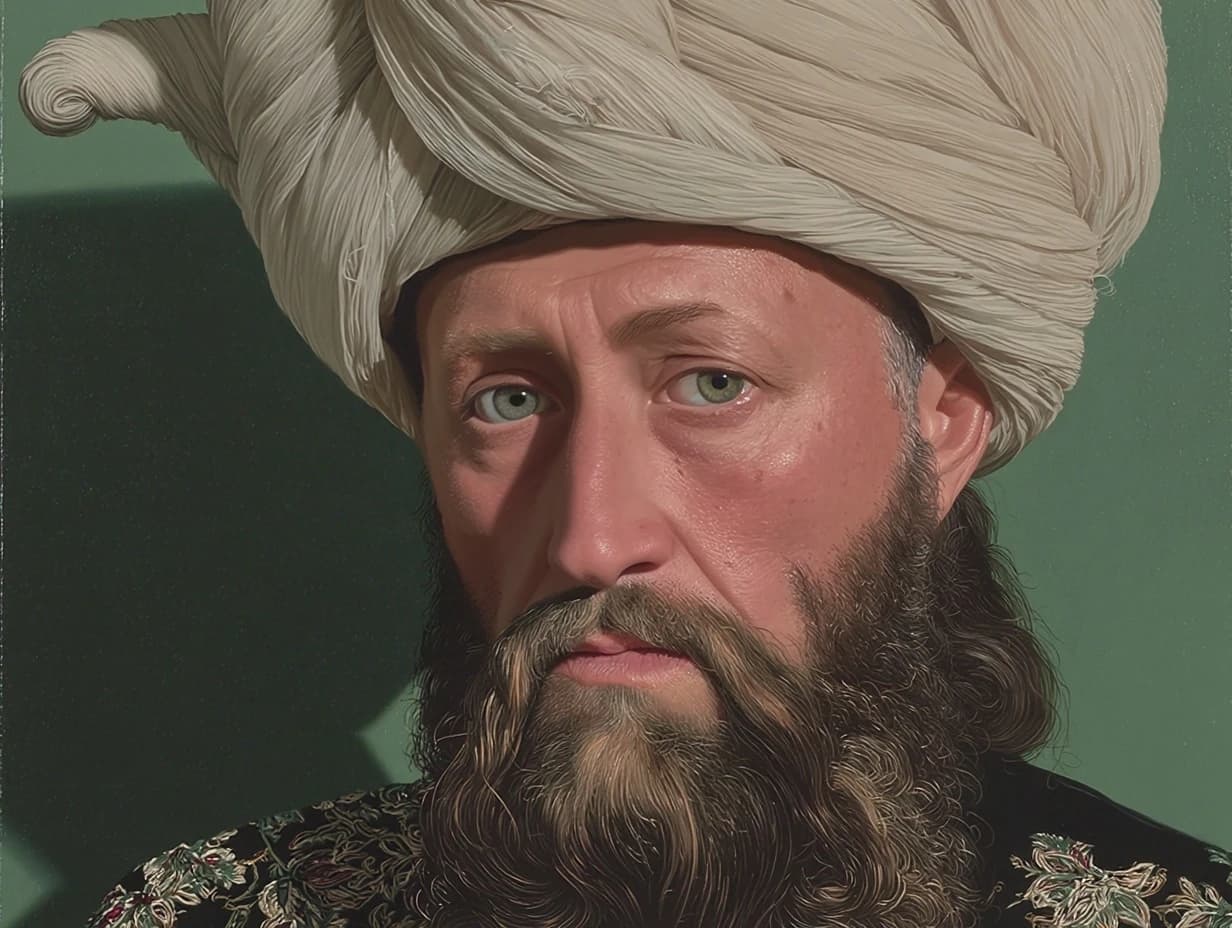
The Sultan of Egypt and Syria, founder of the Ayyubid dynasty.
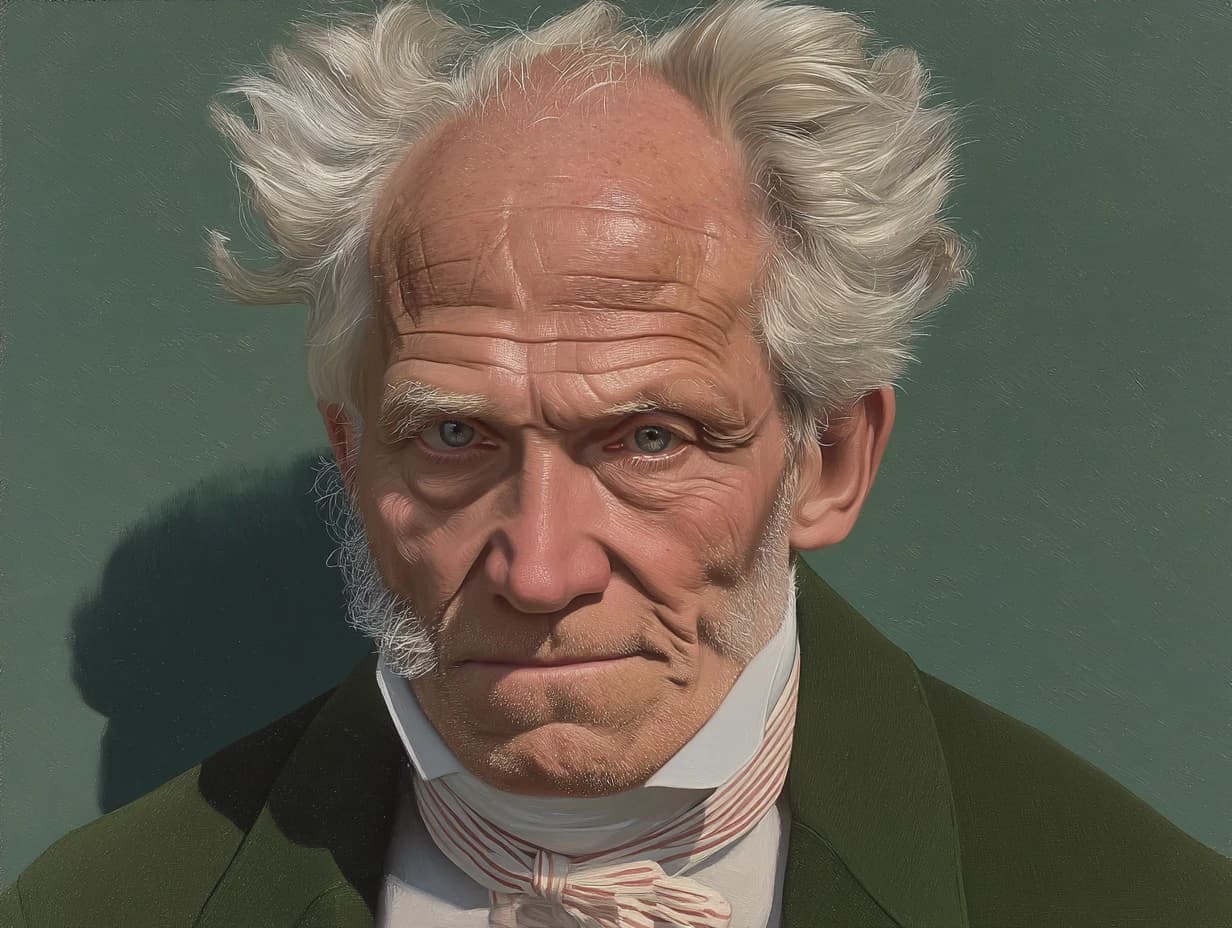
The German philosopher and author.
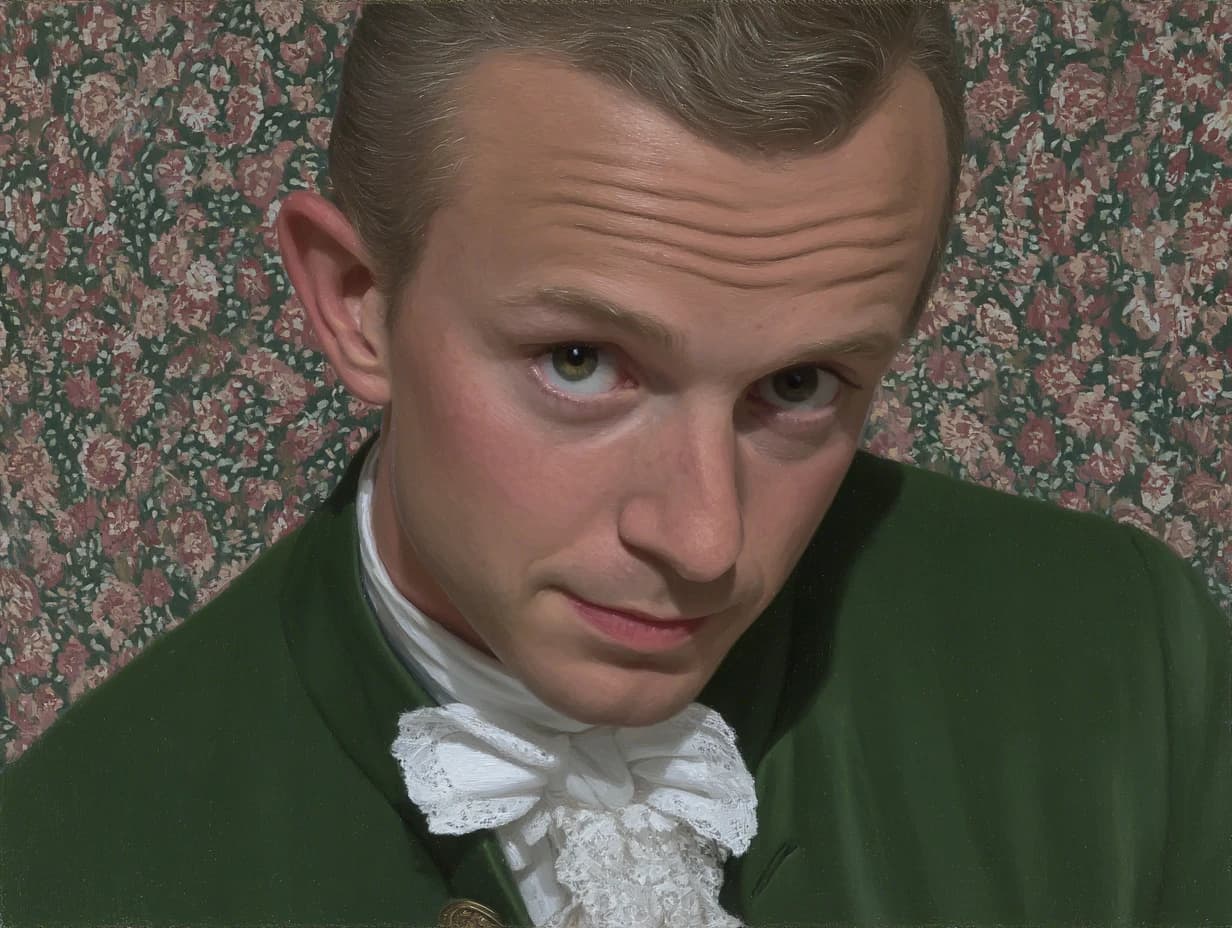
The central German philosopher of the Enlightenment.
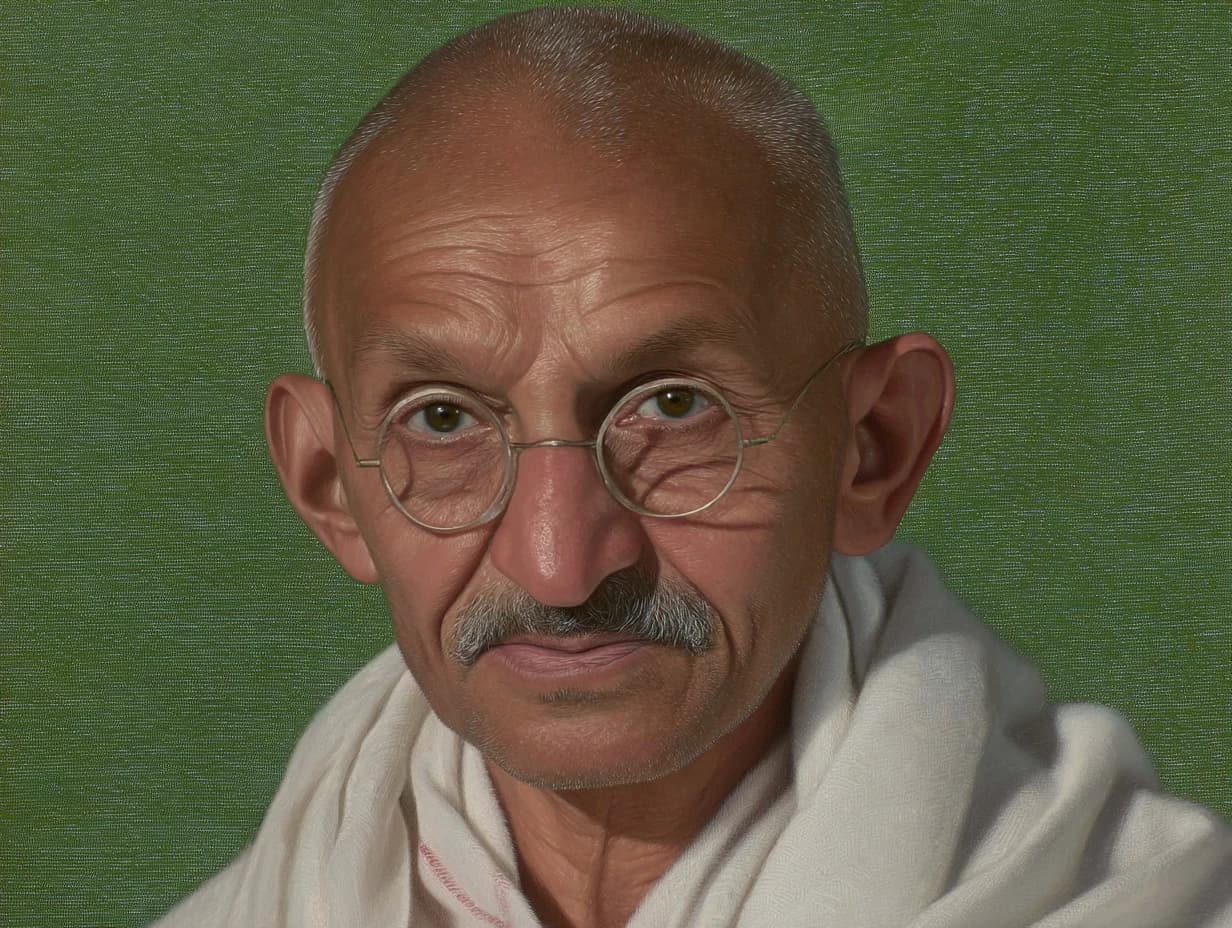
The leader of the Indian independence movement and advocate of nonviolence.
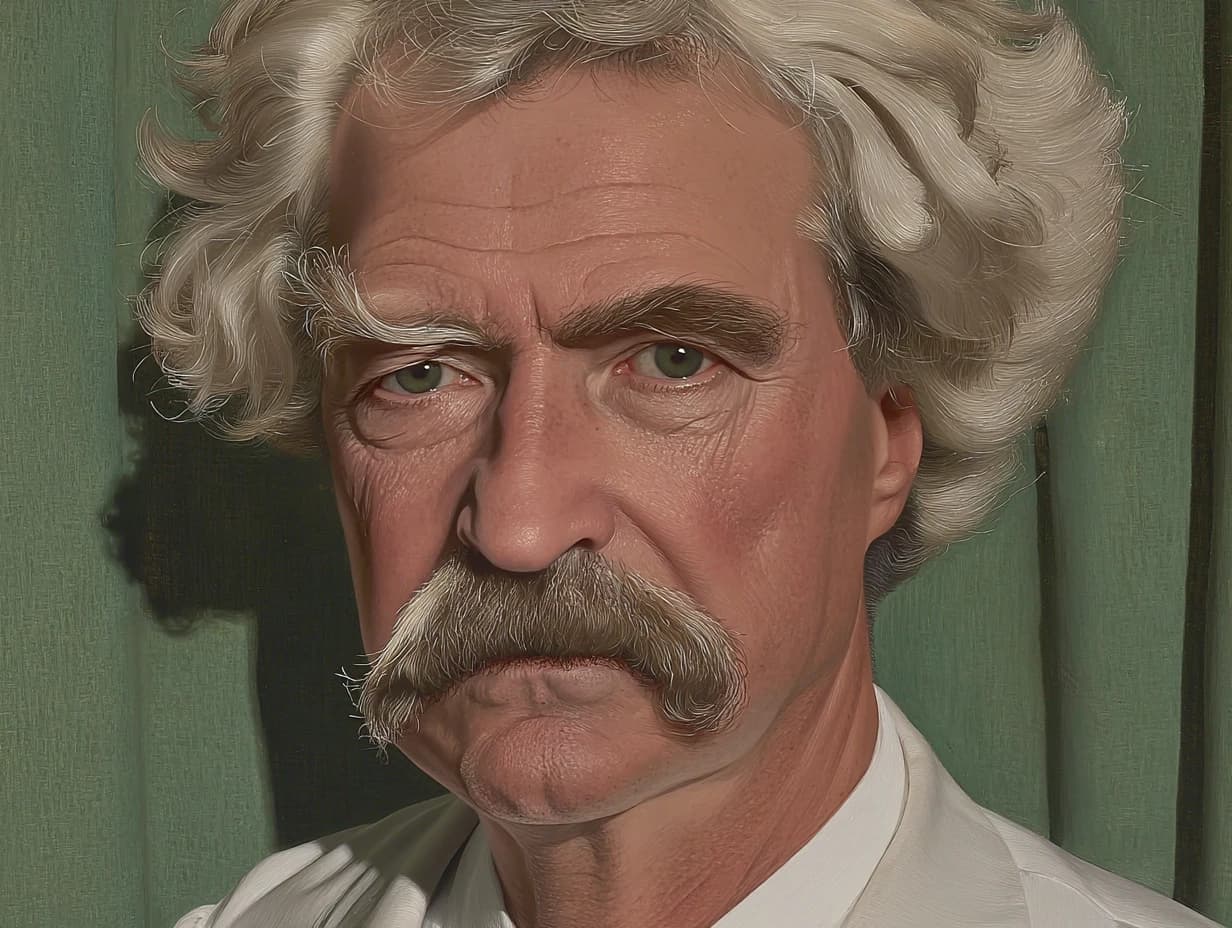
The American author, humorist, and novelist.
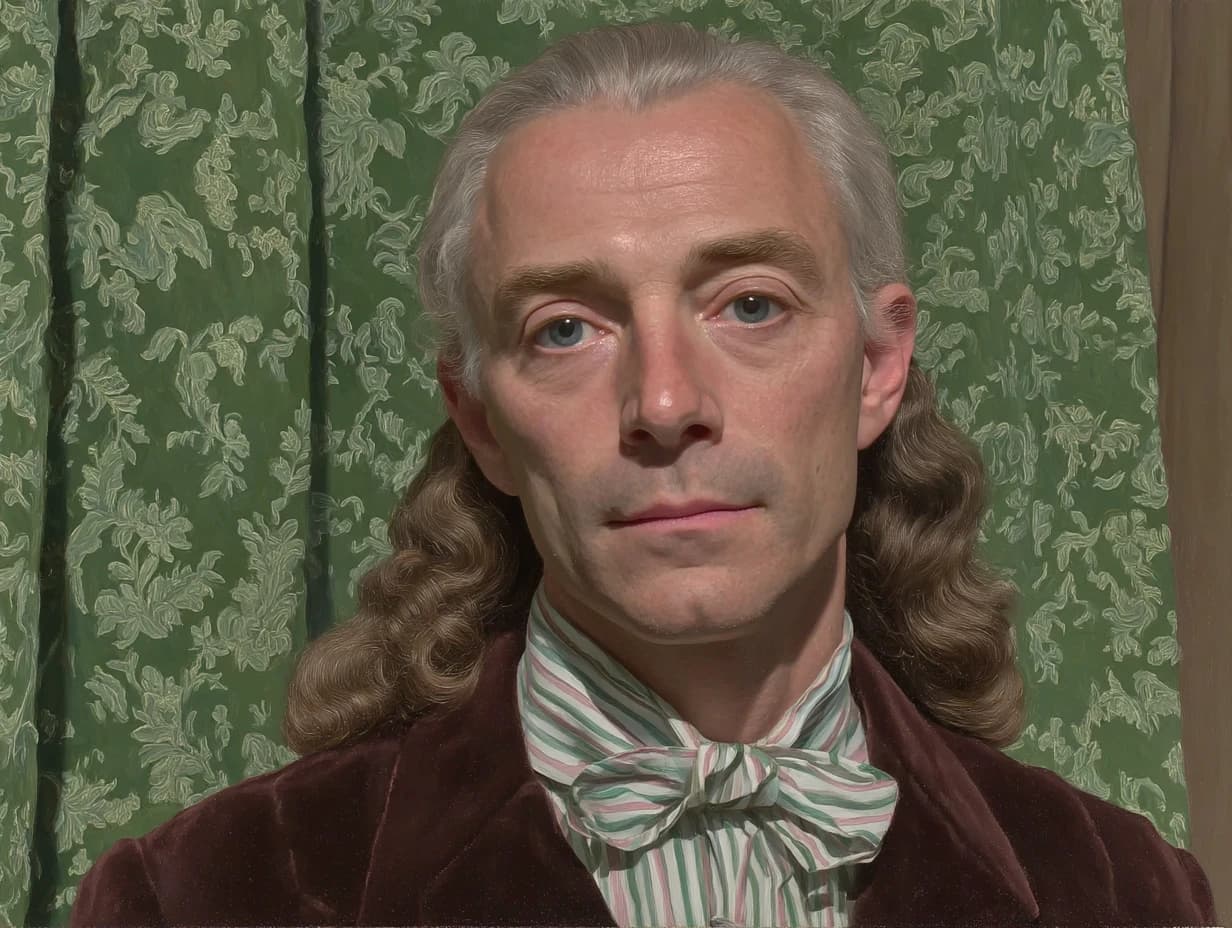
The French Enlightenment writer, essayist, and philosopher.
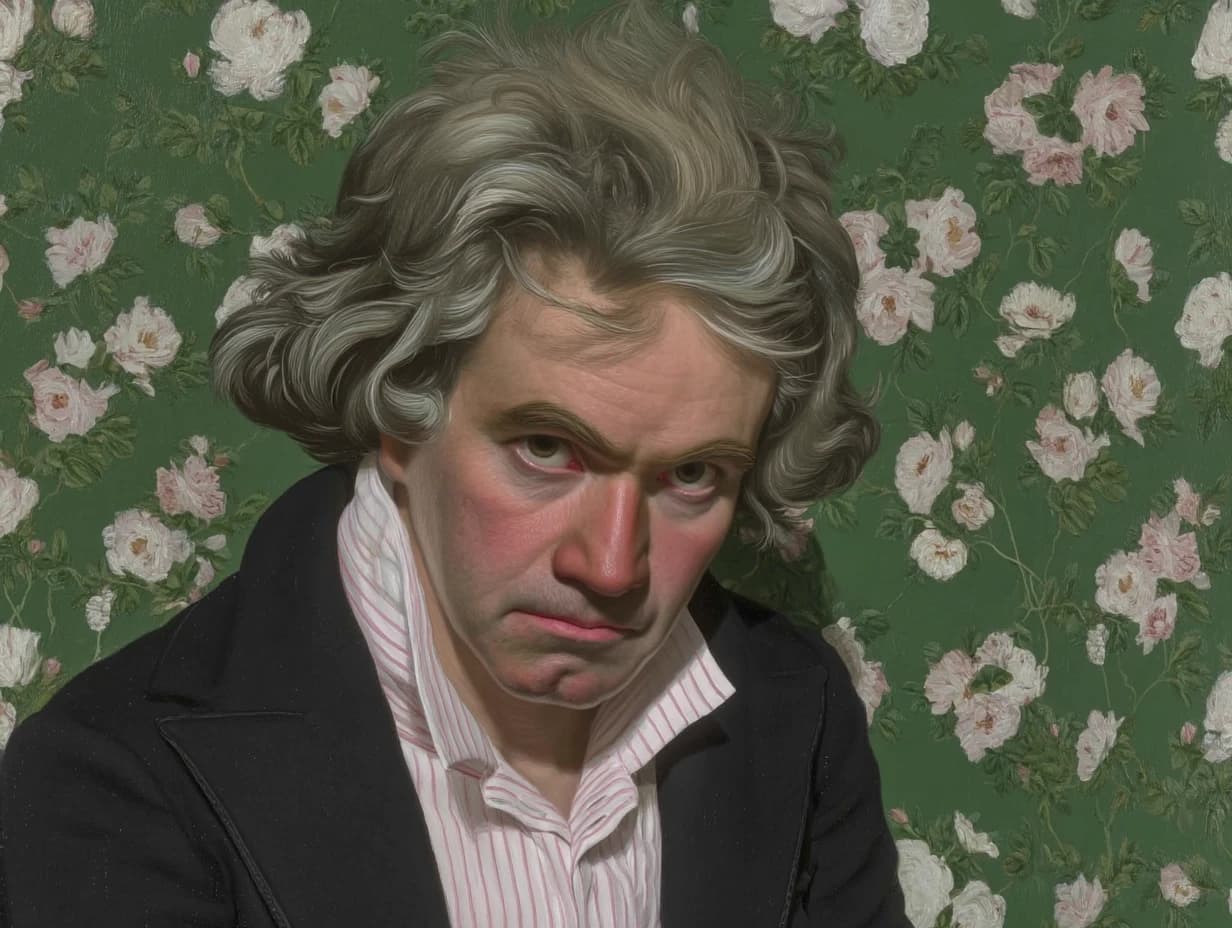
The German composer and pianist of the Classical and Romantic eras.
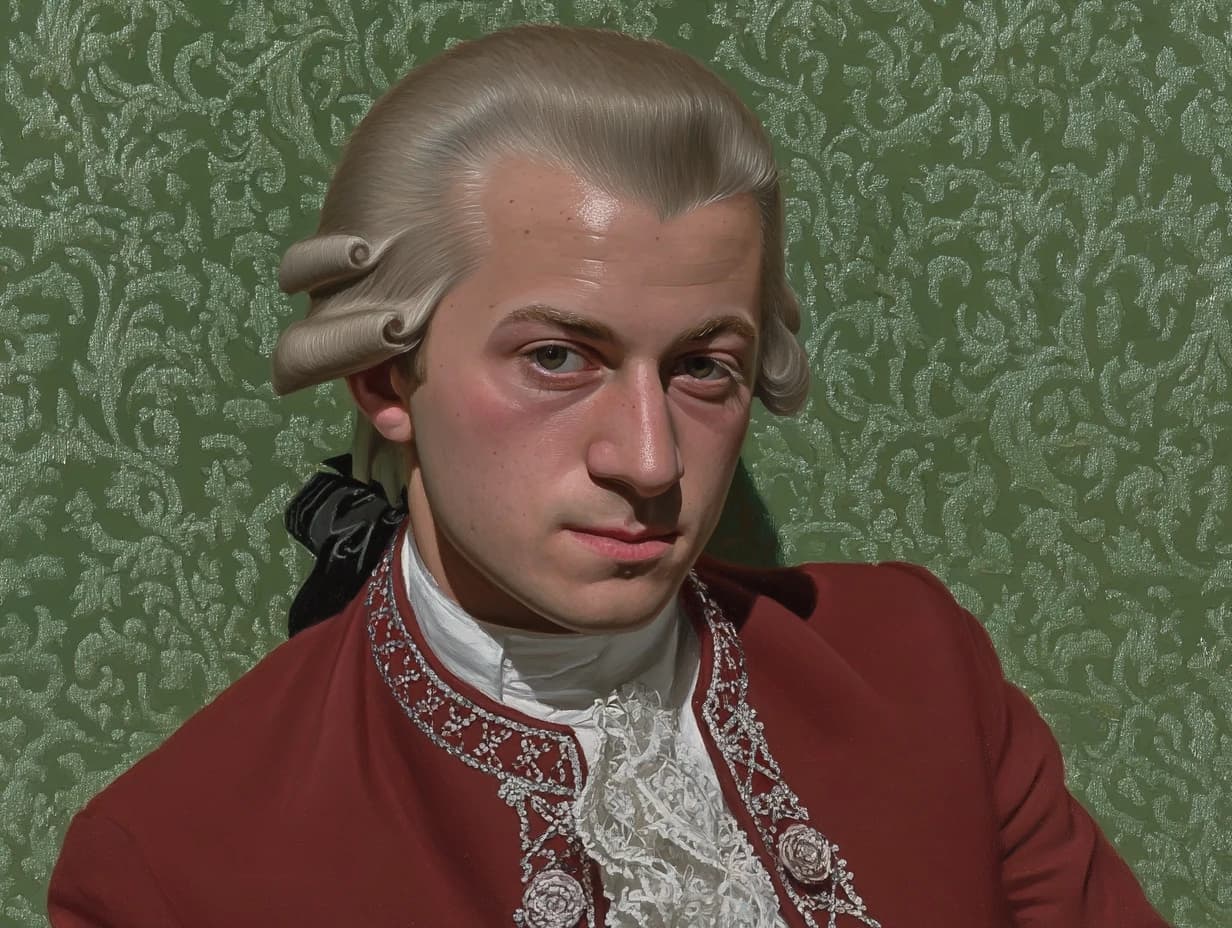
The prolific Classical era Austrian composer and pianist.
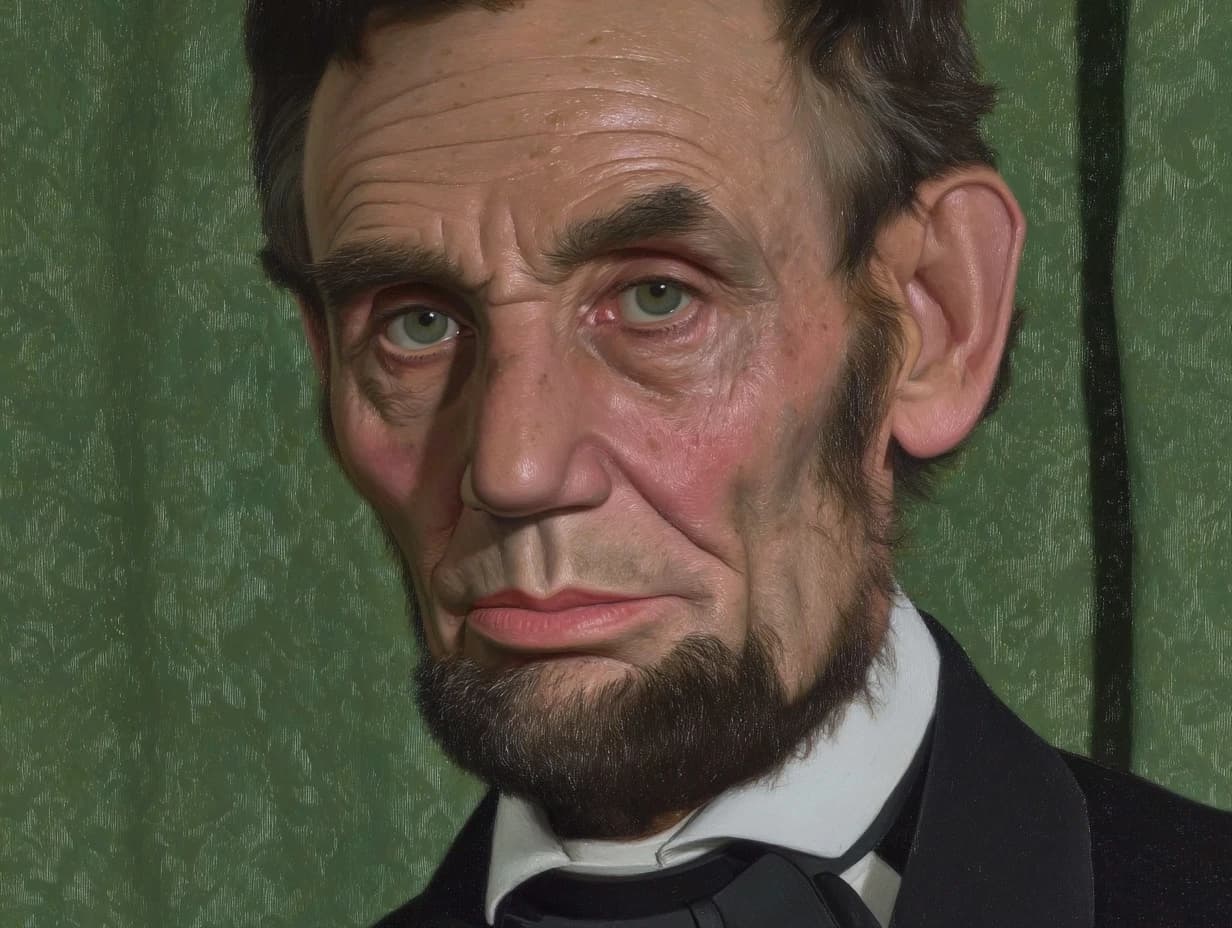
The 16th President of the United States.
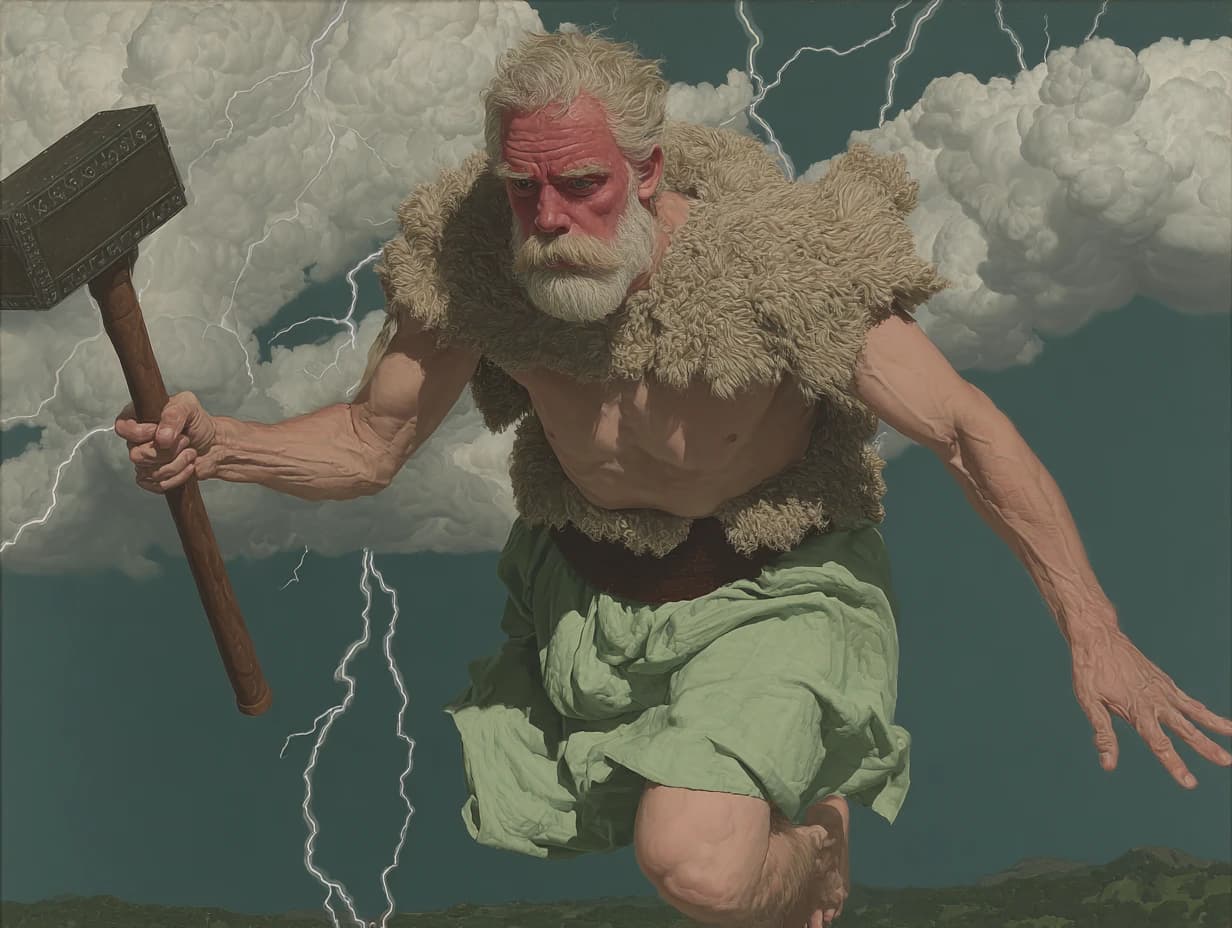
The Norse God of thunder and storms.